From Ecological Islands to Living Arteries
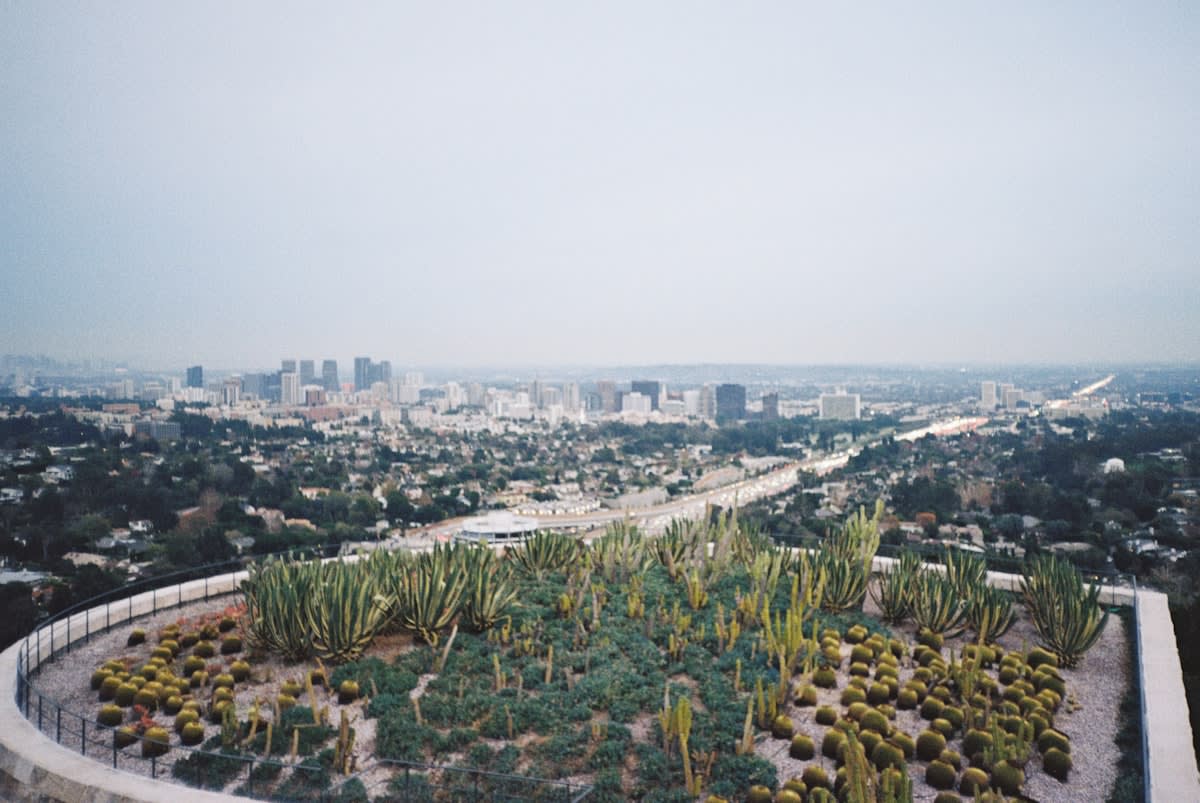
For decades, urban greening followed a fragmented logic. We built pocket parks, planted a few ornamental flower beds, and installed the occasional bee hotel, treating nature as a series of isolated destinations. This island biogeography approach failed because pollinators cannot thrive in vacuums. A bee cannot survive on a single patch of lavender if the surrounding five kilometers are a sterile expanse of asphalt and glass. The trend has shifted violently away from these 'green islands' toward the concept of the pollinator corridor—a continuous, linear sequence of habitat patches that allow insects to move, forage, and breed across an entire city.
The delta between 2022 and 2024 is stark. While previous initiatives focused on 'increasing green space' as a general metric, current municipal strategies are obsessed with 'connectivity.' We are seeing a transition from quantitative greening (how many trees?) to qualitative networking (how are these trees linked?). According to the IPBES Global Assessment, the decline of pollinators is linked directly to habitat fragmentation (Source: IPBES, 2019). Cities are now responding by treating the urban grid as a map of potential corridors, utilizing railway embankments, roadside verges, and green roofs to stitch the landscape back together.
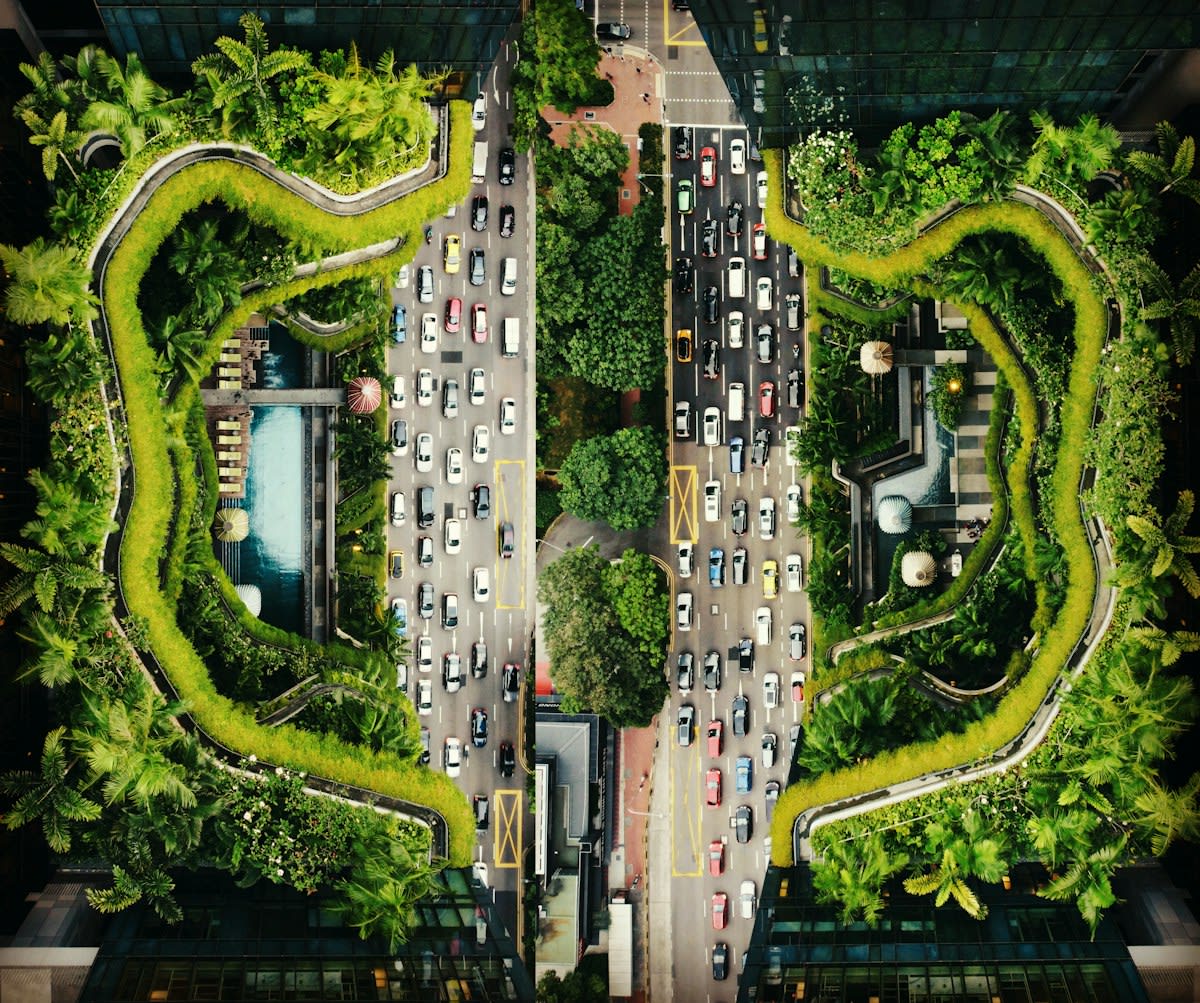
Why the sudden urgency? It is not merely altruism for the bees. Urban planners are realizing that pollinator corridors provide a double dividend by mitigating the urban heat island effect. By replacing heat-absorbing concrete with native vegetation, these veins lower local temperatures while supporting the insects that pollinate urban food forests. In cities like Medellín, the implementation of 'Green Corridors' has already contributed to a temperature reduction of up to 2 degrees Celsius in specific sectors (Source: C40 Cities, 2021). The corridor is no longer just a biological necessity; it is a climate adaptation tool.
"The goal is no longer to save a species in a vacuum, but to restore the movement of life across the concrete grid. If we treat nature as a series of ornaments, we lose. If we treat it as infrastructure, we survive."— Dr. Elena Rossi, Urban Ecology Lead at the IUCN Urban Alliance
This shift is manifesting globally with distinct regional flavors. In Singapore, the 'City in Nature' vision has evolved from simply planting trees to creating multi-tiered ecological corridors that connect primary forests to the city center. Meanwhile, in Europe, projects like the UK's B-Lines are mapping out the specific 'highways' that bees use, encouraging private homeowners to plant 'stepping stone' gardens that fill the gaps between municipal parks. The scale has moved from the backyard to the biome.
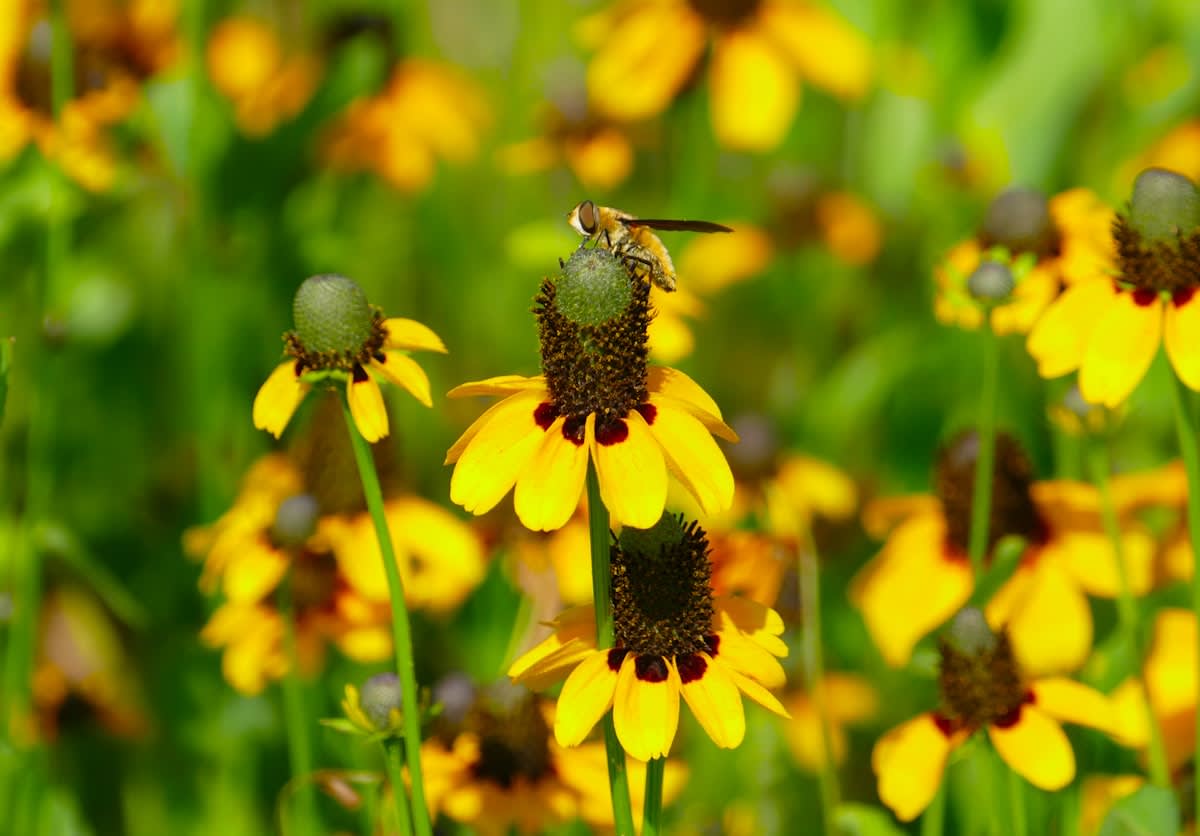
Across the globe, the debate has moved into the realm of technical specifications. We are no longer asking if we should plant flowers, but which specific host plants support the specialist pollinators of a particular region. Generalist honeybees are no longer the primary target; the focus has shifted to solitary bees and hoverflies, which require specific nesting materials and floral phenology—the timing of blooms—to survive the urban winter.
| Feature | Traditional Urban Greening | Pollinator Corridors |
|---|---|---|
| Spatial Logic | Isolated patches/Pocket parks | Linear connectivity/Networks |
| Plant Selection | Ornamental/Exotic species | Native/Host-specific flora |
| Primary Goal | Human aesthetics and recreation | Genetic flow and biodiversity |
| Maintenance | Frequent mowing/Chemical weeding | Seasonal pulse mowing/Organic |
However, the transition is not without friction. On the ground, this looks like a clash between ecological science and municipal maintenance. I have spent time with city crews who are bewildered when told to stop mowing a specific strip of roadside grass. To a maintenance worker, a pollinator corridor often looks like 'neglect' or 'weeds.' To an ecologist, that same patch of clover and dandelion is a critical refueling station for a migrating pollinator. This 'aesthetic gap' is where most urban corridor projects fail; the public perceives a lack of tidiness as a lack of care.
The real battle is fought in the city council chambers. The friction arises when ecologists demand the removal of non-native, 'pretty' shrubs to make room for native, 'scrubby' vegetation. The debate is essentially: do we want the city to look like a manicured golf course, or do we want it to function like an ecosystem? The trend is leaning toward the latter, but the transition requires a massive re-education of both the workforce and the voting public.
Looking ahead, the integration of AI and remote sensing is accelerating the deployment of these veins. Cities are now using satellite imagery and machine learning to identify 'connectivity gaps'—areas where a single vacant lot or a concrete plaza is blocking the movement of pollinators. By identifying these bottlenecks, planners can prioritize the conversion of specific parcels of land for maximum biological impact. This is precision conservation applied to the urban sprawl.
The economic argument is also maturing. Urban pollinator corridors are being linked to the success of urban agriculture. As cities invest in vertical farming and community gardens, the need for reliable pollination services becomes a food security issue. According to the FAO, pollinators contribute to the production of nearly 75% of the world's food crops (Source: FAO, 2018). In a city that wants to grow its own food, a pollinator corridor is not a luxury; it is a production line.
Ultimately, the Great Green Vein represents a psychological shift in how we perceive the city. We are moving away from the anthropocentric view that the city is a place where nature is 'allowed' to exist in designated zones. Instead, we are beginning to see the city as a hybrid landscape where human infrastructure and biological networks coexist. The concrete is not the end of nature; it is simply the substrate upon which a new, connected ecology is being built.
Fact-Check & Accuracy Note
Key claims regarding pollinator decline and food security are sourced from the IPBES (2019) and FAO (2018) reports. Temperature data for Medellín is attributed to C40 Cities (2021). A point of ongoing debate in the field is the 'ecological trap' theory—the concern that attracting pollinators into urban corridors may expose them to higher levels of pollution or pesticides, potentially harming them more than the connectivity helps.