
The Great Energy Pivot
The era of the passive energy consumer is dead. For over a century, the relationship between the homeowner and the utility company was a one-way street: power flowed from a centralized plant, through a wire, and into a socket. You paid for what you used, and when the grid failed, you sat in the dark. That dynamic is collapsing. We are witnessing the rise of the 'prosumer,' where the vehicle in your garage ceases to be a depreciating transport asset and becomes a strategic energy reserve.
This is not a gradual evolution; it is a systemic rupture. The integration of Vehicle-to-Home (V2H) technology allows an electric vehicle (EV) to discharge power back into the residence, effectively turning a 60kWh to 100kWh battery pack into a massive, mobile backup generator. Why buy a dedicated home battery system when you already have one on wheels that can power your refrigerator, HVAC, and lighting for several days? The logic is undeniable, and the industry is racing to catch up.
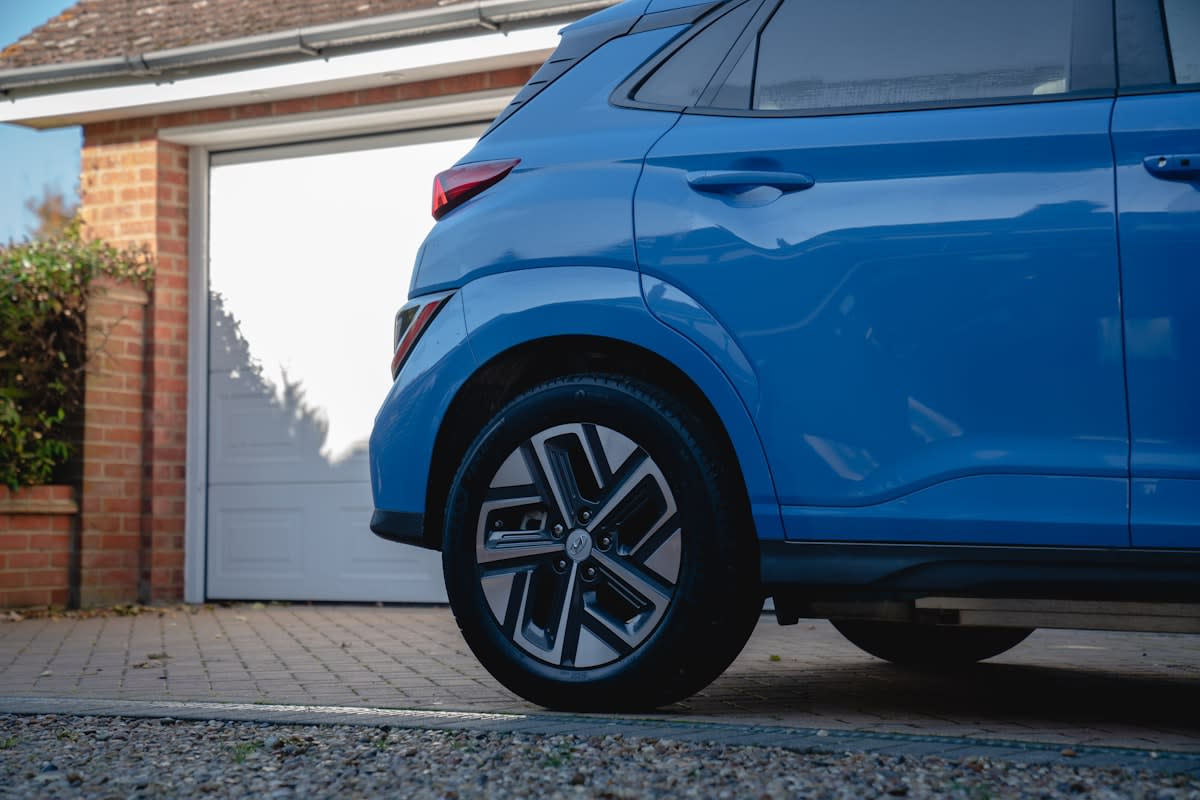
Look at the shift over the last twelve months. A year ago, bidirectional charging was a niche curiosity, limited to a handful of high-end models and experimental pilots. Today, it is the primary design requirement for the next generation of EVs. The delta is staggering. We have moved from asking 'Can the car power the house?' to 'How quickly can we standardize the hardware to make this universal?'
The Mechanics of Bidirectional Flow
At its core, V2H relies on bidirectional inverters. Standard EV chargers are unidirectional; they push AC power from the grid into DC power for the battery. V2H flips the script. It converts DC power from the battery back into AC power compatible with home appliances. This requires a sophisticated handshake between the vehicle's Battery Management System (BMS) and the home's electrical panel.
"We are no longer just selling cars; we are distributing distributed energy resources. The vehicle is the most expensive part of the home's energy ecosystem, and it is finally being put to work 24/7."— Industry Analyst, Energy Transition Group
The technical bottleneck has long been standardization. For years, manufacturers used proprietary plugs and software, creating a fragmented landscape. However, the acceleration of the ISO 15118-20 standard is changing the game. This protocol enables a seamless, plug-and-play communication between the car and the grid, allowing the vehicle to negotiate power delivery based on real-time demand and pricing.
| Feature | Standard EV Charging | V2H Enabled Charging |
|---|---|---|
| Power Flow | One-Way (Grid to Car) | Two-Way (Grid <-> Car) |
| Home Utility | Transport Only | Backup Power & Arbitrage |
| Grid Impact | Increases Peak Load | Reduces Peak Load (Peak Shaving) |
| Hardware | Simple AC/DC Converter | Bidirectional Inverter |
This shift transforms the vehicle from a liability—something that drains the grid—into a stabilizer. When the sun sets and solar production drops, but demand spikes, the car feeds the house. This eliminates the need for expensive, stationary lithium-ion wall batteries, reducing the total carbon footprint of the home's energy transition.
But this isn't just about emergency backup during a storm. The real opportunity lies in energy arbitrage.
The Arbitrage Advantage
Energy arbitrage occurs when a homeowner charges their EV during off-peak hours (when electricity is cheap) and then uses that stored energy to power their home during peak hours (when electricity is expensive). This effectively lowers the average cost of electricity per kilowatt-hour.
A Global Patchwork of Adoption
The rollout of V2H is not uniform; it is reflecting the specific pressures of different regional grids. In Norway, where EV penetration is the highest in the world, the focus is on grid stability. With so many vehicles plugged in simultaneously, the grid faces immense pressure. V2H allows the Norwegian state to treat the national fleet as a giant, distributed battery, absorbing excess wind energy and releasing it when needed.
Contrast this with California, where the driver is resilience. Frequent wildfires and aging infrastructure lead to Public Safety Power Shutoffs (PSPS). For a Californian, a V2H-enabled truck is not just a car; it is an insurance policy. The ability to keep the air conditioning running during a heatwave while the grid is down is a value proposition that transcends the cost of the vehicle itself.
Meanwhile, in China, the scale of infrastructure is the story. The rapid deployment of V2G (Vehicle-to-Grid) pilots in cities like Shenzhen shows a future where the government can orchestrate millions of vehicles to balance the load of megacities. They aren't just thinking about the home; they are thinking about the city as a single, breathing organism of energy.
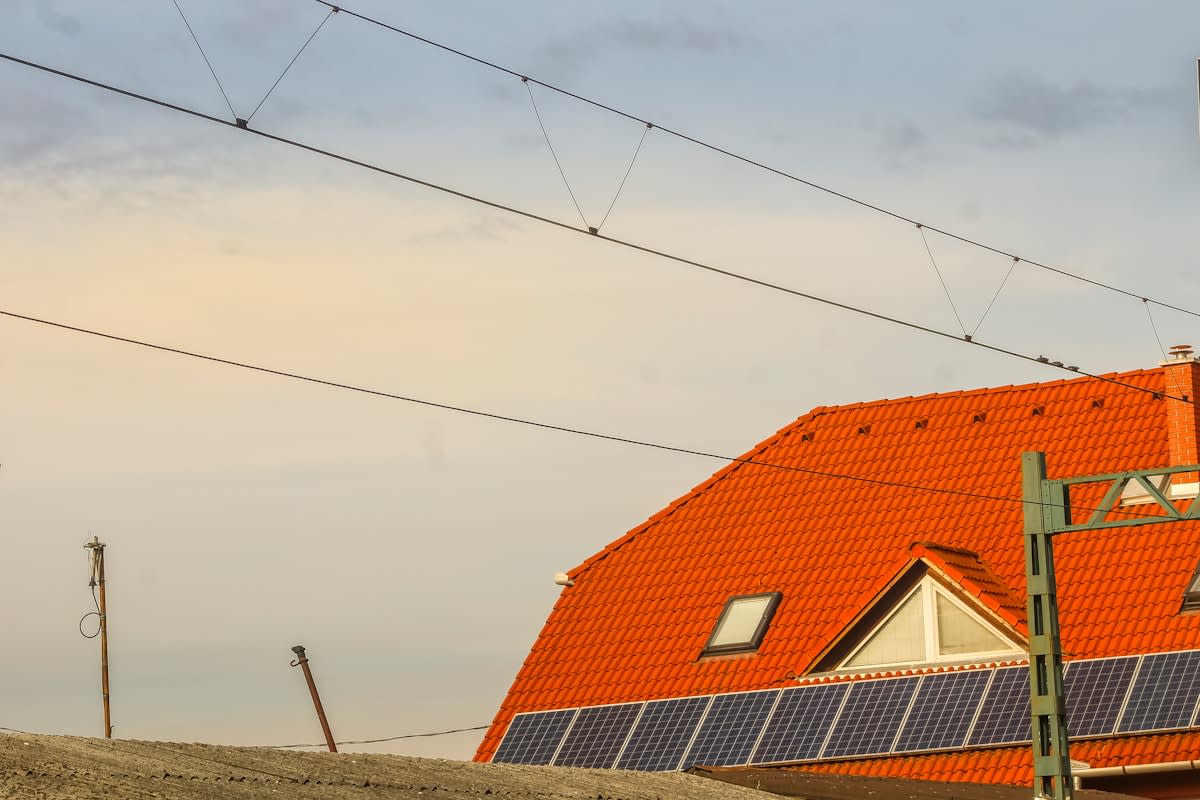
Across all these regions, a common trend emerges: the decentralization of power. We are moving away from the 'Hub and Spoke' model toward a 'Mesh' model. In this new architecture, every home is a node, and every car is a capacitor. This reduces the need for massive, expensive upgrades to high-voltage transmission lines because the energy is stored exactly where it is consumed.
The economic implications are profound, shifting the profit center from the utility provider to the asset owner.
The Rise of Virtual Power Plants
The ultimate evolution of V2H is the Virtual Power Plant (VPP). A VPP is a network of decentralized energy resources—EVs, solar panels, and smart thermostats—that are aggregated by a software platform to act as a single power plant. When the grid is under stress, the VPP operator can trigger thousands of cars to discharge a small amount of power simultaneously.
For the homeowner, this creates a new revenue stream. Instead of just saving money on their bill, they are paid by the grid operator to provide stability. We are seeing a shift in market valuations where the 'energy capability' of a vehicle is becoming as important as its 0-60 mph time or its interior luxury. A car that pays you to sit in the driveway is a far more attractive asset than one that only costs you money.
Projected Impact of V2H on Peak Grid Load
Executive Insight
+18.4%
YTD Growth
However, this transition isn't without friction. The primary concern remains battery degradation. Critics argue that frequent cycling—charging and discharging the battery to power a home—will shorten the lifespan of the EV battery. While early data suggests that smart management systems can mitigate this, the psychological barrier remains. Consumers need assurance that their 'home battery' won't leave them stranded on the highway in five years.
Furthermore, regulatory frameworks are lagging behind the technology. Many utilities still operate under laws written in the 1950s that prohibit the selling of electricity back to the grid from a residential source. Breaking these monopolies requires political will, not just technical innovation.
Despite these hurdles, the momentum is irreversible. The intersection of climate goals, energy security, and automotive innovation has created a perfect storm. The vehicle is no longer just a tool for mobility; it is the most flexible energy storage device ever mass-produced.
As we look toward the next decade, the distinction between 'transportation' and 'energy' will continue to blur. Your next car will not just take you to work; it will keep your lights on, lower your bills, and stabilize the global grid. The secret weapon of the energy transition has been hiding in plain sight, parked in our driveways.