Saudi in need, friend Pak missing in 'deed': Islamabad faces ultimate Mecca pact test
Source Entity
RAJEEV SINGH
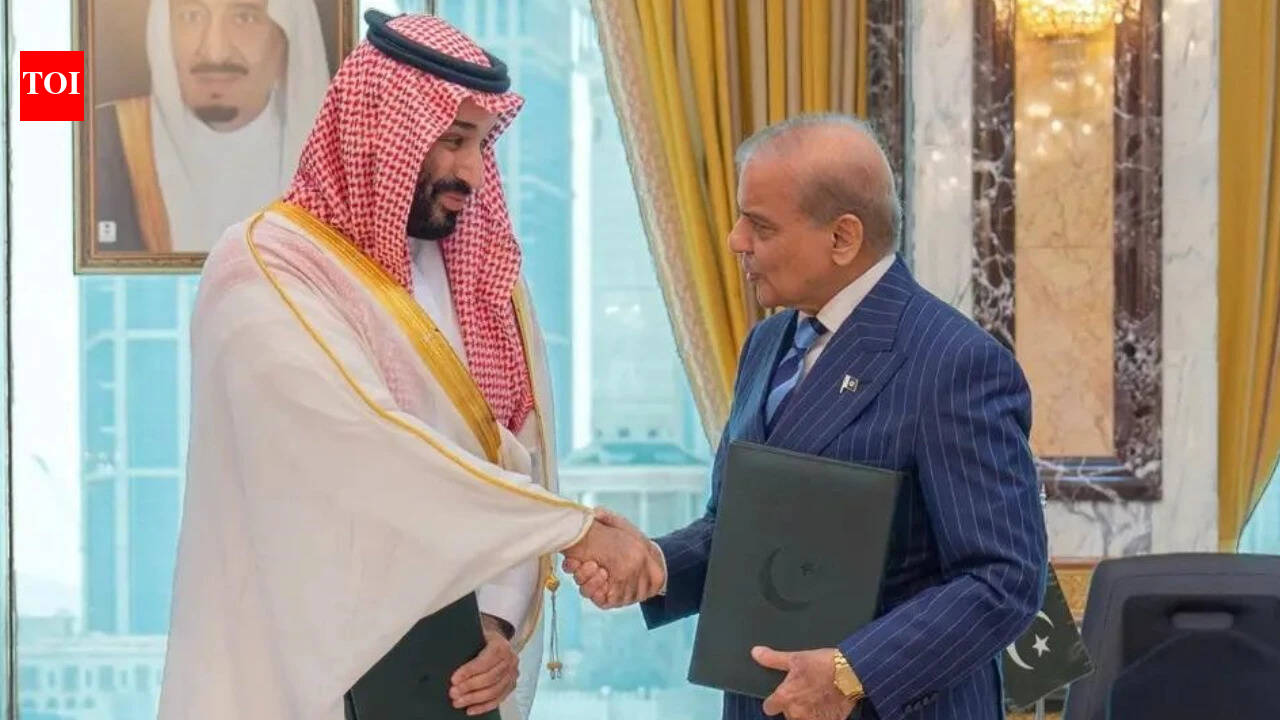
Saudi Arabia claims to have intercepted a Houthi drone targeting Mecca, an allegation the Iran-backed group vehemently denies. This escalation threatens regional stability, as Saudi officials designate the security of Islam’s holiest site as a non-negotiable red line.
The Escalation Over Mecca: A Critical Flashpoint
The recent announcement by the Saudi-led coalition that a Houthi-launched drone was intercepted near Mecca marks a significant and dangerous escalation in the ongoing regional conflict. By targeting the proximity of Islam's holiest city, the incident has moved beyond typical military engagements, touching upon the deeply sensitive religious and symbolic security of the Kingdom. The Saudi coalition has explicitly framed the protection of these holy sites as a "red line," signaling that any further incursions could trigger a massive, retaliatory shift in their military posture.
Conflicting Narratives and Denials
The situation is characterized by a stark divergence in reporting. While Saudi officials maintain that their air defenses successfully destroyed the drone south of Mecca before it entered prohibited airspace, the Houthi militia has dismissed these claims as "an worn-out lie." The Houthis argue that their strategic focus remains strictly on Saudi military bases and oil infrastructure, rather than religious sites. This denial reflects a broader propaganda war where both sides are attempting to define the moral legitimacy of their military actions to international and domestic audiences.
The Geopolitical Stakes
The inclusion of the Organization of Islamic Cooperation (OIC) in condemning the strike as a "heinous" act underscores the gravity of the situation. Mecca serves as the focal point for the annual Hajj pilgrimage, and any threat to its security reverberates across the entire Muslim world. By framing the attack as an assault on the sanctity of Islam, Saudi Arabia is seeking to consolidate international support and isolate the Houthi movement, painting them as actors who disregard even the most sacred global boundaries.
Broader Regional Instability
This incident does not exist in a vacuum. It occurs within a volatile landscape where the conflict between the U.S., Israel, and Iran has already destabilized critical maritime routes like the Strait of Hormuz. With recent reports of stalled negotiations and ongoing hostilities, the threat to Mecca serves to further complicate an already fragile regional security architecture. The intersection of religious sensitivity and conventional warfare creates a powder keg environment where miscalculations can lead to rapid, uncontrolled escalation.
Future Implications and Trends
Looking forward, the "red line" established by the Saudi coalition suggests that future Houthi operations—even if aimed at legitimate military targets—will be under intense scrutiny. If the Houthis cannot distance themselves from the perception that they are threatening holy sites, they risk losing the support of regional actors who might otherwise remain neutral. Conversely, if Saudi Arabia is perceived as using the "Mecca threat" to justify broader military campaigns, it may face diplomatic pressure to prove its claims with greater transparency. The coming months will likely see a hardening of positions, with both sides utilizing these incidents to justify further resource mobilization in an increasingly complex and multifaceted war.
Multiple Citing Sources