At least 20 killed and dozens missing after war-damaged Gaza building collapses
Source Entity
BBC News
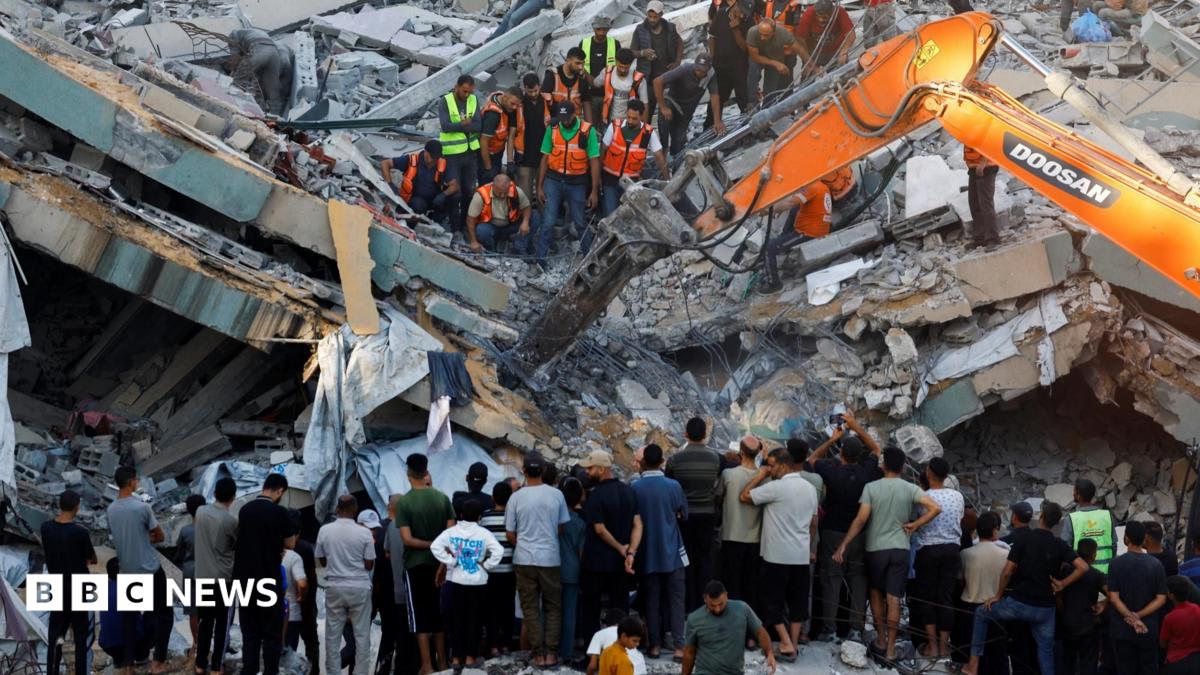
A war-damaged apartment building in Gaza City's Tal al-Hawa neighborhood collapsed, killing at least 20 people, including five children. Rescue efforts are severely hampered by a lack of heavy equipment and ongoing regional instability.
The Collapse of a War-Damaged Tower in Gaza City
A catastrophic structural failure in Gaza City’s Tal al-Hawa neighborhood has resulted in the deaths of at least 20 people, including five children, after a six-storey apartment building collapsed. The tragedy highlights the extreme vulnerability of civilian infrastructure in the region, which has been subjected to repeated military strikes throughout 2024 and into March 2025. This incident underscores the precarious conditions faced by displaced families who, despite warnings regarding the structural integrity of damaged buildings, have sought shelter in whatever remains of the city's residential stock.
A History of Structural Compromise
According to reports, the building in question had been struck multiple times by Israeli military actions during the ongoing conflict. Such repeated kinetic impacts inevitably undermine the load-bearing capacity of concrete and steel structures, rendering them 'ticking time bombs' for the inhabitants. The decision by 10 families to occupy these apartments speaks to the dire lack of safe housing and the desperation caused by protracted displacement, as the war has left vast swaths of the Gaza Strip uninhabitable.
The Challenge of Rescue Operations
Rescue efforts, led by the Hamas-run Civil Defence, have been described as harrowing and resource-starved. Initial reports indicate that responders were forced to work with "empty hands" due to stringent Israeli restrictions on the entry of heavy machinery and specialized equipment into the Gaza Strip. While some machinery has since been procured, the delay in response time—critical in the 'golden hour' following a collapse—has undoubtedly exacerbated the death toll and minimized the chances of recovering survivors from the deep pockets of the rubble.
Broader Humanitarian Implications
The collapse in Tal al-Hawa is not an isolated event but a grim manifestation of the broader destruction of Gaza's urban environment. When residential buildings are struck, the damage often extends beyond the immediate target, destabilizing adjacent structures and creating a domino effect of collapse. This dynamic complicates post-strike recovery and places immense pressure on the remaining, already overstretched, humanitarian infrastructure in the enclave.
Regional Instability and Ongoing Strikes
The timing of this collapse coincides with a wider pattern of violence, as evidenced by separate reports of Israeli air strikes killing additional civilians, including children, in the region. The volatility of the current security environment means that even areas previously thought to be static are subject to sudden, life-threatening shifts. As search and rescue operations continue, the fear remains that dozens more individuals may be trapped beneath the debris, potentially raising the death toll further as the structural instability of the site continues to pose risks to both victims and rescuers.
Conclusion
This tragedy serves as a harrowing reminder of the long-term consequences of conflict on urban density and safety. As the international community monitors the situation, the intersection of limited aid, ongoing military activity, and the catastrophic degradation of civilian shelters paints a bleak picture for the population of Gaza. Without access to heavy equipment and the cessation of damage to residential areas, the risk of similar structural failures remains high, threatening the lives of those attempting to survive amidst the ruins.
Multiple Citing Sources