US raises Saudi Arabia travel risk to 'Level 3' amid Houthi attacks
Source Entity
TOI WORLD DESK
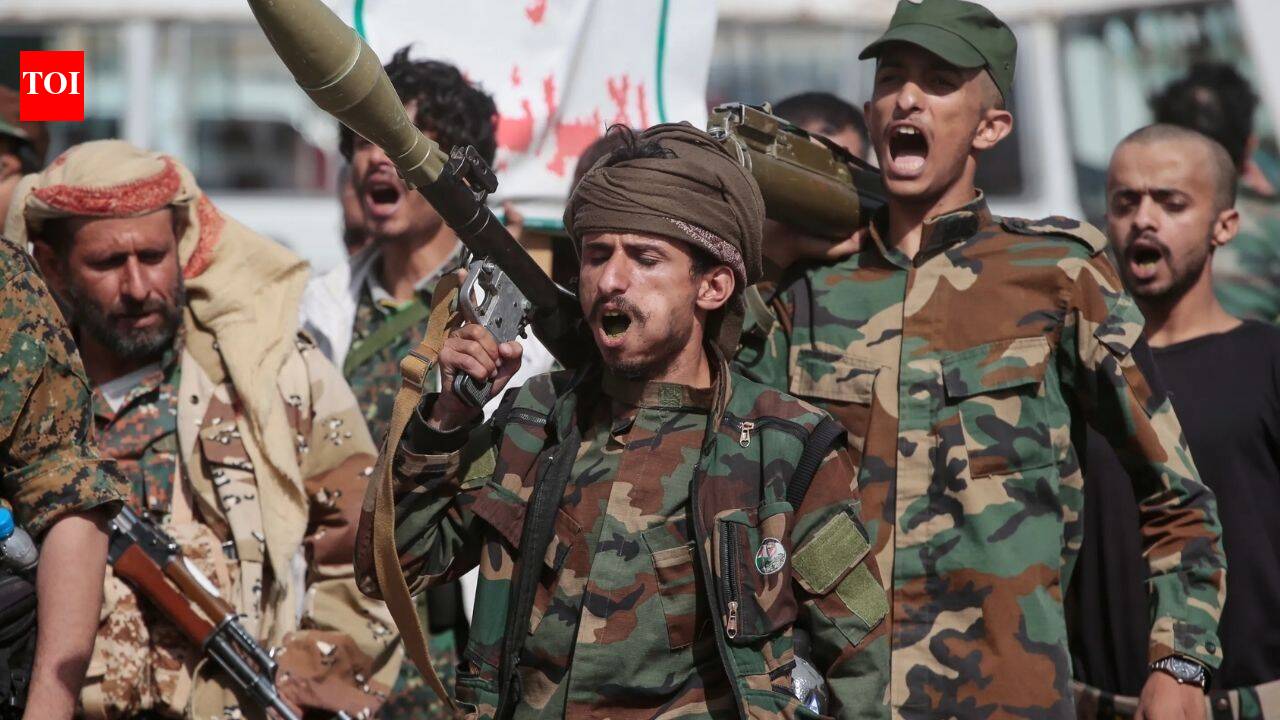
Saudi Arabia claims to have intercepted a Houthi drone targeting Mecca, an allegation the Iran-backed group vehemently denies. The incident highlights escalating regional tensions and the significant risks posed to Islamic holy sites amid the ongoing conflict.
Tensions Escalate: The Alleged Drone Incursion Toward Mecca
Recent reports indicate a significant escalation in the regional conflict as Saudi Arabia claims its air defenses successfully intercepted and destroyed a drone operated by the Iran-backed Houthi militia before it could penetrate the prohibited airspace surrounding Mecca. Saudi officials have labeled the security of Islam’s holiest site a "red line," vowing retaliation against the perpetrators. This event marks a critical juncture in the conflict, bringing the kinetic reality of war to the periphery of the focal point of the annual Hajj pilgrimage.
The Houthi Response and Strategic Denial
In direct opposition to the claims made by the Saudi-led coalition, the Houthi militia has categorically rejected the allegations. The group dismissed the Saudi statement as an "worn-out lie," asserting that their military operations are strictly confined to Saudi military bases and oil facilities. This denial highlights a recurring pattern in the conflict where both sides utilize narrative control to justify their operational objectives and influence regional perception regarding the morality and legality of their respective military actions.
International Condemnation and Regional Implications
The Organization of Islamic Cooperation (OIC) has formally condemned the alleged strike, characterizing the attempt as a "heinous" act. Given the global significance of Mecca as the spiritual center for millions of Muslims, any threat to its security generates immediate international outcry. The OIC’s involvement underscores the sensitivity of the situation, as the conflict risks transforming from a localized geopolitical struggle into a broader cultural and religious flashpoint.
The Broader Context of Regional Instability
This incident does not occur in a vacuum; it is situated within a period of extreme volatility in the Middle East. With ongoing tensions in the Strait of Hormuz and stalled negotiations between major international powers, the theater of conflict has expanded significantly. The intersection of maritime security, oil infrastructure, and the sanctity of religious sites creates a complex web of vulnerabilities that complicates diplomatic efforts to de-escalate the hostilities that began earlier in the year.
Historical Precedents and Future Trends
Historically, the Saudi-led coalition and the Houthi forces have been locked in a grinding war since 2015. However, the introduction of drone technology as a primary weapon of choice has shifted the nature of this engagement. If the trend of targeting critical or symbolic infrastructure continues, the risk of miscalculation increases exponentially. Future trends suggest that both sides will continue to leverage drone warfare, necessitating more robust defensive postures from Saudi Arabia and potentially inviting further international scrutiny of the conflict’s impact on regional stability.
Conclusion
The alleged drone attempt on Mecca serves as a grim reminder of the high stakes involved in the current conflict. As both sides hold firm to their contradictory narratives, the potential for further escalation remains high. The international community continues to watch closely, as the security of religious sites remains a paramount concern that could fundamentally alter the trajectory of the ongoing war.
Multiple Citing Sources