‘Russian oil buyers will have to pay': US senator backs bill threatening higher tariffs on India
Source Entity
Latest News: Todays Latest News Headlines from India & World | Hindustan Times | Hindustan Times
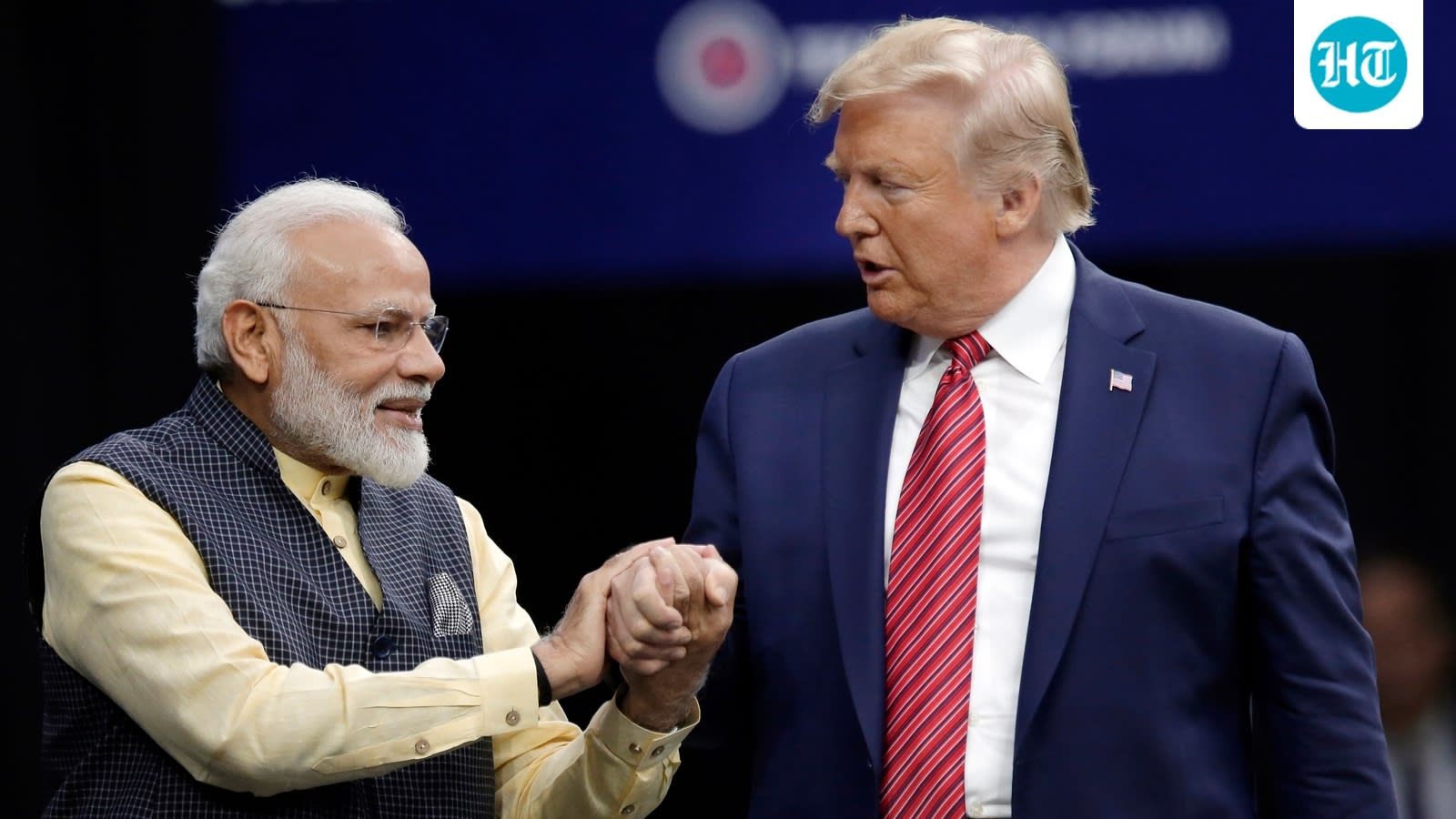
The US House of Representatives has passed the 'Lindsey O. Graham Sanctioning Russia and Iran Act of 2026', which grants President Trump authority to impose up to 100% tariffs on countries purchasing Russian energy. This legislation, which also extends sanctions on Iran, creates significant trade uncertainty for India due to its continued Russian oil imports.
The Legislative Path of the 2026 Sanctions Act
The legislative landscape regarding international energy trade has shifted dramatically with the advancement of the 'Lindsey O. Graham Sanctioning Russia and Iran Act of 2026.' Following a decisive 86-11 vote in the Senate on August 7, the bill cleared a critical procedural hurdle in the House of Representatives on September 15. The subsequent final passage of the bill in the House with a 262-159 margin signals a bipartisan legislative push to leverage economic pressure against nations maintaining energy ties with Russia and Iran.
Empowering Executive Trade Policy
At the core of this legislation is the expansion of executive authority granted to President Donald Trump. By providing the legal framework to levy tariffs as high as 100% on major buyers of Russian crude oil and natural gas, the act fundamentally alters the risk calculus for global energy importers. This provision is designed to isolate the Russian energy sector by penalizing the primary revenue streams that sustain its ongoing military operations, effectively turning domestic trade law into a potent instrument of foreign policy.
Implications for India's Energy Strategy
For India, the passage of this bill introduces a high-stakes dilemma. As a significant importer of Russian energy, India has historically balanced its strategic autonomy with geopolitical pressures. The potential for a 100% tariff on Indian exports to the United States represents a severe economic threat that could jeopardize bilateral trade relations. The legislation specifically targets the energy dealings that have become a cornerstone of India's recent energy security strategy, forcing a potential reassessment of its import sources.
Broader Geopolitical Context
The act does not operate in a vacuum; it is part of a broader strategy to exert maximum pressure on both Russia and Iran. By extending sanctions on Iran for an additional five years and layering new restrictions on Russian officials and banking institutions, the US is attempting to consolidate its influence over global energy markets. This bill serves as a warning to nations that continue to facilitate the economic survival of these sanctioned regimes through energy procurement.
Future Trends and Diplomatic Challenges
Looking ahead, the implementation of this act will likely trigger a period of intense diplomatic negotiation. If President Trump signs the bill into law as expected, the primary challenge will be how the administration chooses to exercise this new discretionary power. There may be a transition period where the US evaluates individual nations' compliance, but the existence of a 100% tariff ceiling provides the executive branch with unprecedented leverage to demand shifts in global energy purchasing patterns.
Conclusion
The 'Lindsey O. Graham Sanctioning Russia and Iran Act of 2026' represents a definitive move by the US Congress to prioritize its strategic goals over traditional trade norms. As the bill moves toward final enactment, the international community, particularly major energy importers like India, must prepare for a more volatile trade environment where energy security and geopolitical alignment are increasingly intertwined.
Multiple Citing Sources
Verification Required?