Is Grand Central Terminal closed? Police activity impacts train services on Harlem, Hudson, New Haven Lines; one held
Source Entity
Latest News: Todays Latest News Headlines from India & World | Hindustan Times | Hindustan Times
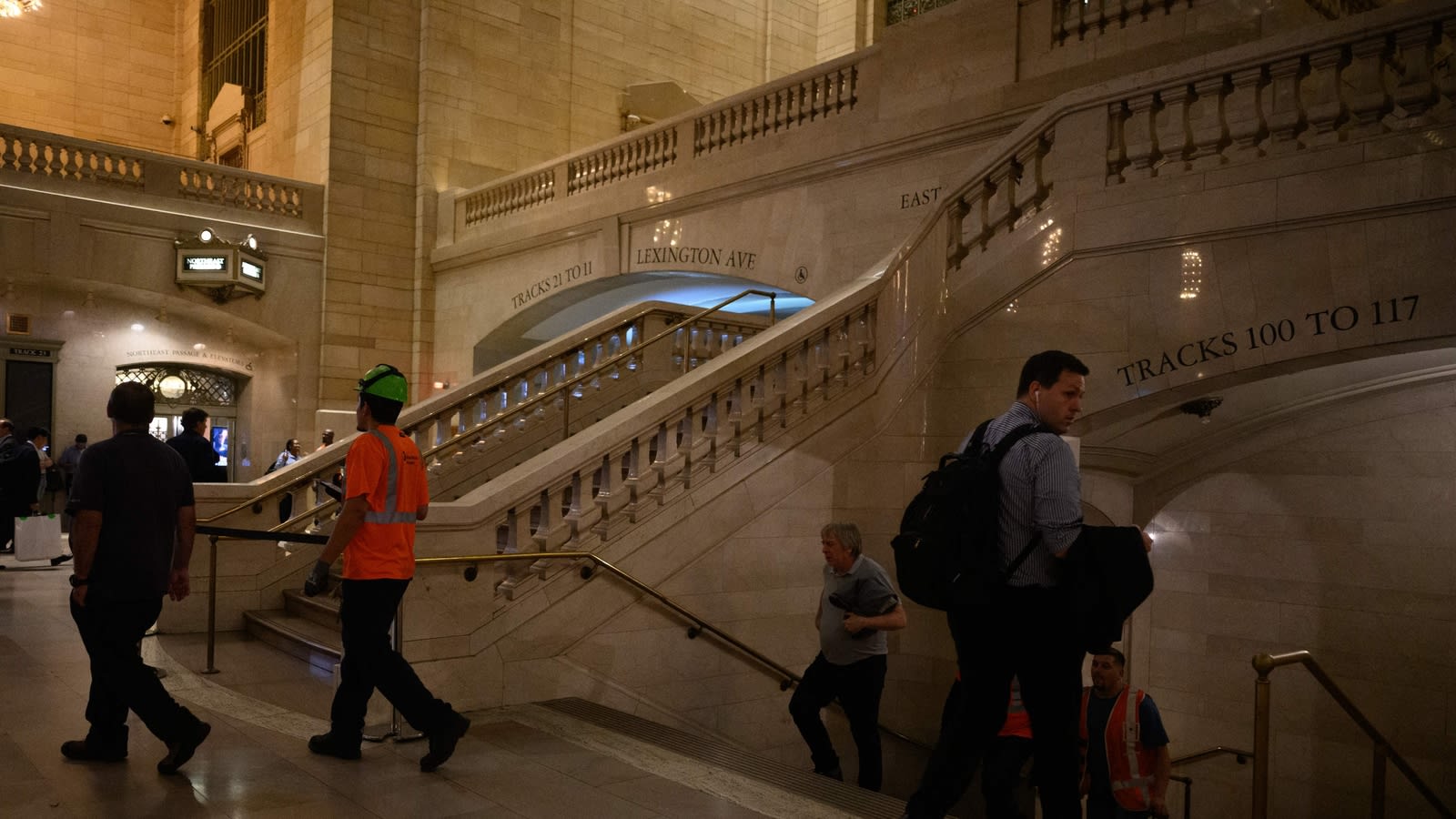
Metro-North train services at Grand Central Terminal faced significant delays Wednesday morning following police activity. Authorities detained one individual, and operations have since stabilized with a 15-minute delay baseline.
Disruption at Grand Central Terminal: An Operational Overview
On Wednesday morning, commuters utilizing the Metro-North Railroad in New York City faced significant travel hurdles as police activity at Grand Central Terminal prompted immediate service disruptions. The Metropolitan Transit Authority (MTA) reported that the incident, which occurred shortly before 9 a.m., impacted the Harlem, Hudson, and New Haven lines—the primary arteries serving suburban commuters traveling into the heart of Manhattan.
Impact on Commuter Infrastructure
Grand Central Terminal serves as one of the most critical transportation hubs in the United States, facilitating the daily movement of hundreds of thousands of passengers. When police activity occurs within this high-traffic environment, the ripple effect is instantaneous. In this instance, the morning rush hour was severely hindered, forcing the MTA to manage a chaotic environment while ensuring the safety of the public and the terminal’s infrastructure. The necessity for law enforcement intervention highlights the inherent vulnerabilities in high-density transit hubs where security and operational efficiency must constantly balance.
Managing the Crisis and Restoration of Service
Following the intervention, authorities confirmed that one individual was taken into custody in connection with the police activity. Despite the initial concerns regarding a potential closure, the terminal remained operational throughout the event. To mitigate the backlog of trains caused by the stoppage, the MTA implemented recovery procedures immediately following the conclusion of the investigation. By establishing a baseline of 15-minute delays for arrivals and departures after 9 a.m., the transit authority aimed to restore order to a heavily congested schedule.
Broader Implications for Transit Security
This incident underscores the ongoing challenge of maintaining security within open-access transit systems. Unlike airports, which feature rigorous pre-boarding screening, major rail terminals like Grand Central must manage public safety in a fluid, high-volume environment. The ability of the MTA to isolate the incident and prevent a total shutdown of the terminal is a testament to current crisis management protocols, though such events inevitably prompt discussions regarding the adequacy of existing security measures in the face of unpredictable threats.
Assessing Future Reliability
While the 15-minute delay baseline serves as a temporary fix, the event raises questions about the long-term resilience of the Metro-North network. Frequent disruptions in such a critical node can have cascading economic impacts, affecting workforce productivity and the reliability of public transportation. As the city continues to rely on these historic rail lines, the focus will likely shift toward enhancing rapid-response capabilities to ensure that future security incidents result in minimal downtime for daily commuters.
Verification Required?