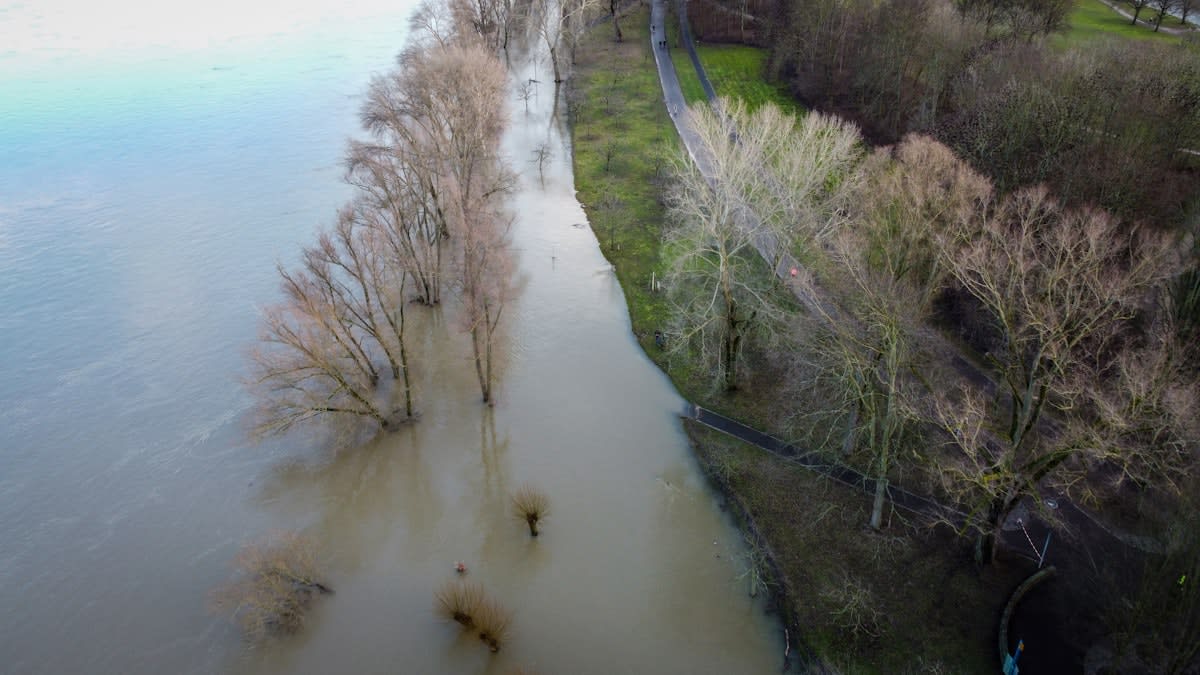
The industrial heart of Europe does not run on electricity alone; it runs on the Rhine. This river serves as a primary freight artery connecting the production sites of Germany, Switzerland, France, the Netherlands, and Belgium. When water levels drop, the risk is not merely environmental. It transforms instantly into a logistical bottleneck for fuels, chemicals, and bulk commodities. As of July 17, 2026, falling levels have once again threatened the carrying capacity of inland shipping, exposing a fragility in the supply chain that no amount of digital optimization can fix.
Why does a few centimeters of water depth dictate the energy security of the European Union? The answer lies in the sheer volume of energy-related commodities that rely on these waterways for cost-effective transport. When barges cannot carry full loads, the economics of fuel delivery collapse, forcing industries to scramble for more expensive, less efficient alternatives. This is not a hypothetical future scenario but a recurring shock that threatens to destabilize the industrial power costs Germany is already struggling to manage.
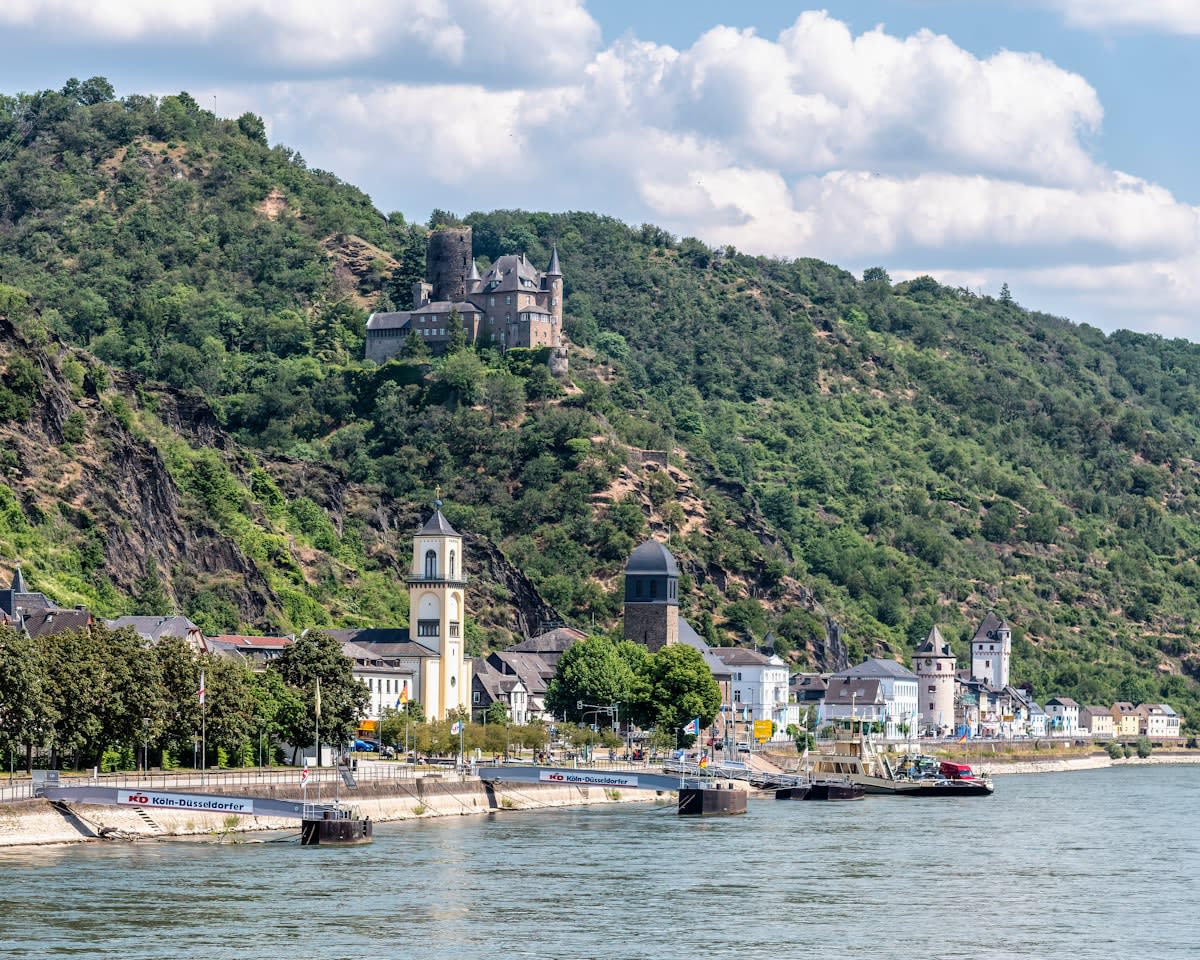
The Thermal Ceiling of Power Generation
The obsession with carbon emissions often obscures a more immediate physical constraint: the Rankine Cycle. Most thermal power plants, including coal and gas, rely on water-based cooling systems to produce the steam necessary to run turbines. When river temperatures rise during heat waves, the efficiency of these turbines drops. France has become the primary example of this vulnerability, frequently forced to shut down nuclear reactors when cooling water becomes too warm to meet environmental regulations regarding thermal pollution.
This cooling requirement creates a paradoxical vulnerability where the highest demand for energy—during extreme heat—coincides with the lowest capacity to generate it. It is a systemic failure of design. Regulations preventing the discharge of overheated water back into rivers protect ecosystems but effectively cap the maximum output of the grid. Consequently, nuclear curtailment is not a failure of the reactor itself, but a failure of the hydrological environment supporting it.
"Heat waves affect all types of power generation, not just nuclear. Droughts impact hydropower, solar panels lose efficiency, and wind turbines generate less power and wear faster in high temperatures."— Forbes Analysis, July 17, 2026
Even the transition to renewables offers no absolute sanctuary from water and heat stress. While solar and wind do not require the massive cooling loads of a nuclear plant, they are not immune to the climate. High ambient temperatures degrade the efficiency of photovoltaic cells and accelerate the mechanical wear of wind turbine components. Hydropower, the traditional bedrock of renewable stability, is simply a function of precipitation; when the rain stops, the power stops.
This realization is forcing a move away from simple generation capacity toward a more sophisticated focus on grid efficiency. If the sources of power are increasingly volatile due to hydrological stress, the only way to maintain security is to reduce the waste between the plant and the plug.
Capital Reallocation and Grid Resilience
Investors are beginning to treat energy security not as a public utility project, but as a high-alpha private equity opportunity. Thomas Friedberger, co-CIO of Tikehau Capital, suggests that renewables should be viewed through a private equity lens rather than traditional infrastructure. The goal is no longer just building more wind farms, but investing in the solution providers who can build grid resilience. In Europe, this market for efficiency solutions is currently the most mature globally.
This shift in investment strategy acknowledges that decarbonization is not just an environmental goal but a security imperative. By increasing grid efficiency, Europe can mitigate the impact of forced curtailments in the nuclear sector and the intermittent failures of hydro and solar. The focus is moving toward the 'connective tissue' of the energy map—the hardware and software that allow for a more flexible, resilient distribution of power.
| Energy Source | Water/Heat Vulnerability | Operational Outcome |
|---|---|---|
| Nuclear | Thermal pollution/Cooling limits | Forced curtailment or shutdown |
| Hydropower | Low reservoir levels/Drought | Total generation loss |
| Solar PV | High ambient temperature | Reduced conversion efficiency |
| Wind | Extreme heat | Accelerated component wear |
| Coal/Gas | Rankine Cycle cooling failure | Reduced turbine efficiency |
The financialization of grid resilience indicates a belief that the physical constraints of water will not be solved by engineering alone, but by smarter management of what remains. The ability to shift loads and optimize distribution becomes the primary defense against a drying continent.
The Geopolitics of Vulnerable Infrastructure
Physical vulnerability is an invitation for hybrid warfare. On July 15, 2026, the presidents of the Baltic states and Poland warned that Russia could launch limited military or hybrid provocations against critical infrastructure. When energy systems are already strained by water scarcity and thermal inefficiency, they become more susceptible to external shocks. A grid operating at its absolute limit has no margin for error, making any kinetic or cyber attack significantly more devastating.
The synchronization of environmental stress and geopolitical tension creates a new risk profile for NATO's eastern flank. Strengthening security around transport and energy infrastructure is no longer just about fences and guards; it is about ensuring that the systems can survive both a drought and a provocation. The intersection of hydrological failure and strategic aggression is the new frontline of European security.
Global Context
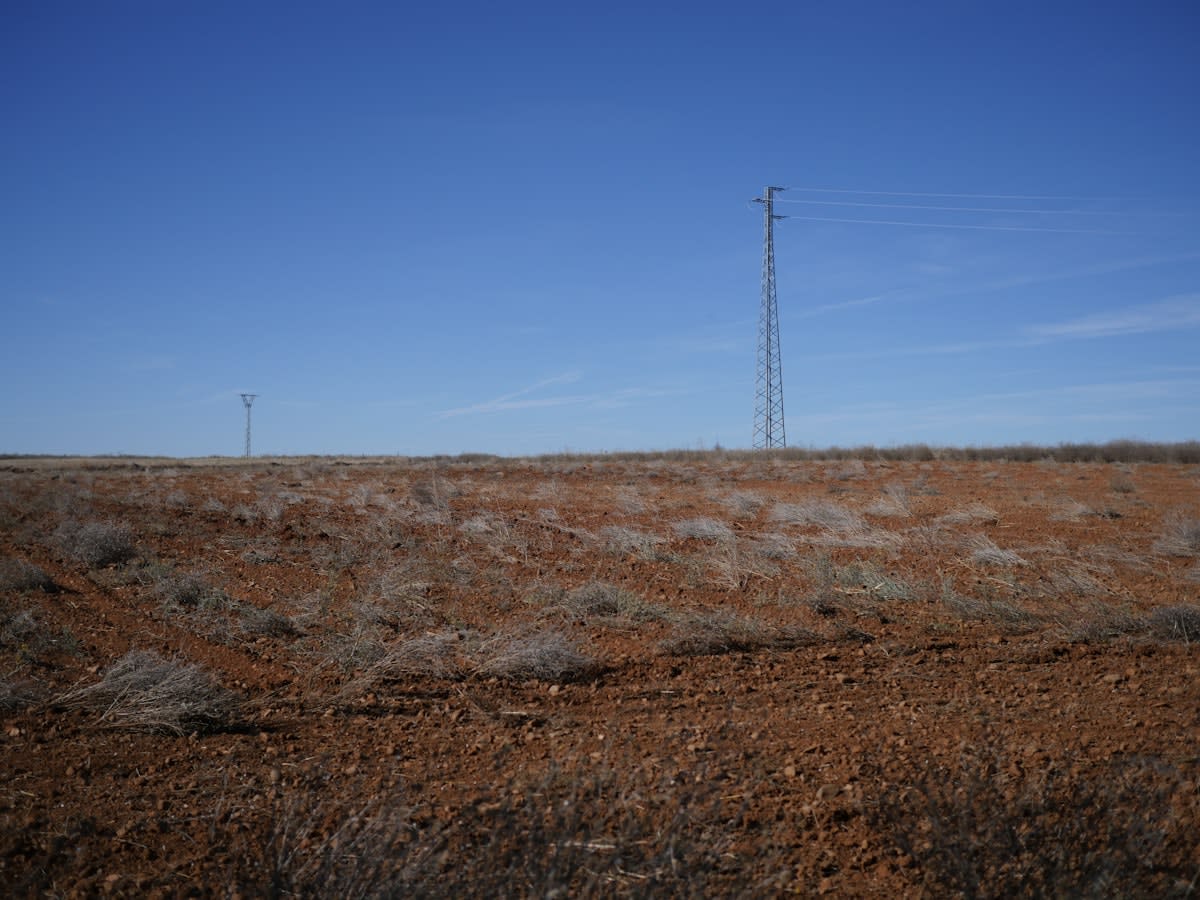
The European experience is mirrored globally. In the United States, a federal analysis released July 16, 2026, predicts that Lake Powell's water levels will fall to 3,491 feet by March, potentially reaching a point where its dam can no longer generate hydropower. This demonstrates that the collision of climate-driven drought and energy production is a global systemic failure.
Does the current energy map account for these hydrological realities? Most strategic planning still treats water as a constant rather than a variable. However, the data from the Rhine and the French nuclear fleet suggests that water is the primary governor of power. The redrawing of the map will not be defined by where we place new panels or turbines, but by where the water allows them to operate.
The path forward requires a clinical admission: the energy transition is a water transition. Until the continent integrates hydrological risk into its core security architecture, it remains tethered to a fragile, drying legacy. The winners of this shift will be the solution providers who can decouple energy reliability from the whims of the river.