The modern power grid is struggling under a weight it was never designed to carry. We are witnessing a collision between the insatiable energy appetite of AI-driven semiconductor manufacturing and a distribution architecture that remains stubbornly analog. The Yongin semiconductor cluster in South Korea serves as a primary example of this tension. When Gaon Cable, a subsidiary of LS Cable & System, supplies tens of billions of won worth of power distribution cables to SK Hynix, they are not merely selling hardware. They are attempting to build a circulatory system capable of sustaining the extreme power densities required for next-generation chip production.
Why does the specific nature of these semiconductors matter for grid resilience? The answer lies in how we manage the transition from high-voltage transmission to usable power. Traditional silicon-based power electronics leak energy as heat, creating inefficiencies that compound as the load increases. By integrating high-performance semiconductor solutions, the industry is reducing these losses. The sheer scale of the investment in the Yongin cluster suggests that the industry has recognized a fundamental truth: you cannot scale the digital economy without first scaling the physics of power delivery.
The Obsolescence Trap and the Longevity Mandate
Resilience is often mistaken for redundancy, but in the world of power electronics, resilience is actually a function of longevity. The tragedy of modern infrastructure is the rapid obsolescence of the very components that keep the lights on. This is the gap that the agreement between Rochester Electronics and Qorvo seeks to close. By establishing a worldwide distribution agreement for RF and power high-performance semiconductor solutions, these companies are prioritizing the lifecycle support of critical components. When a power grid relies on a specific chip for voltage regulation and that chip goes out of production, the entire system becomes a liability.
"Our distribution agreement with Rochester Electronics reinforces Qorvo’s commitment to delivering high-performance solutions with dependable, ongoing support."— Dan Smith, Vice President of Worldwide Sales and Distribution at Qorvo
Does it make sense to build a multi-billion dollar energy cluster if the semiconductors governing the power flow have a shelf life of five years? Absolutely not. The move toward authorized continuing sources of semiconductors, with Rochester Electronics claiming to be the world's largest such source, indicates a shift in how we value infrastructure. We are moving away from the 'rip-and-replace' cycle of consumer electronics and toward a model of sustained availability. This is the only way to ensure that the power grid does not collapse under the weight of its own technical debt.
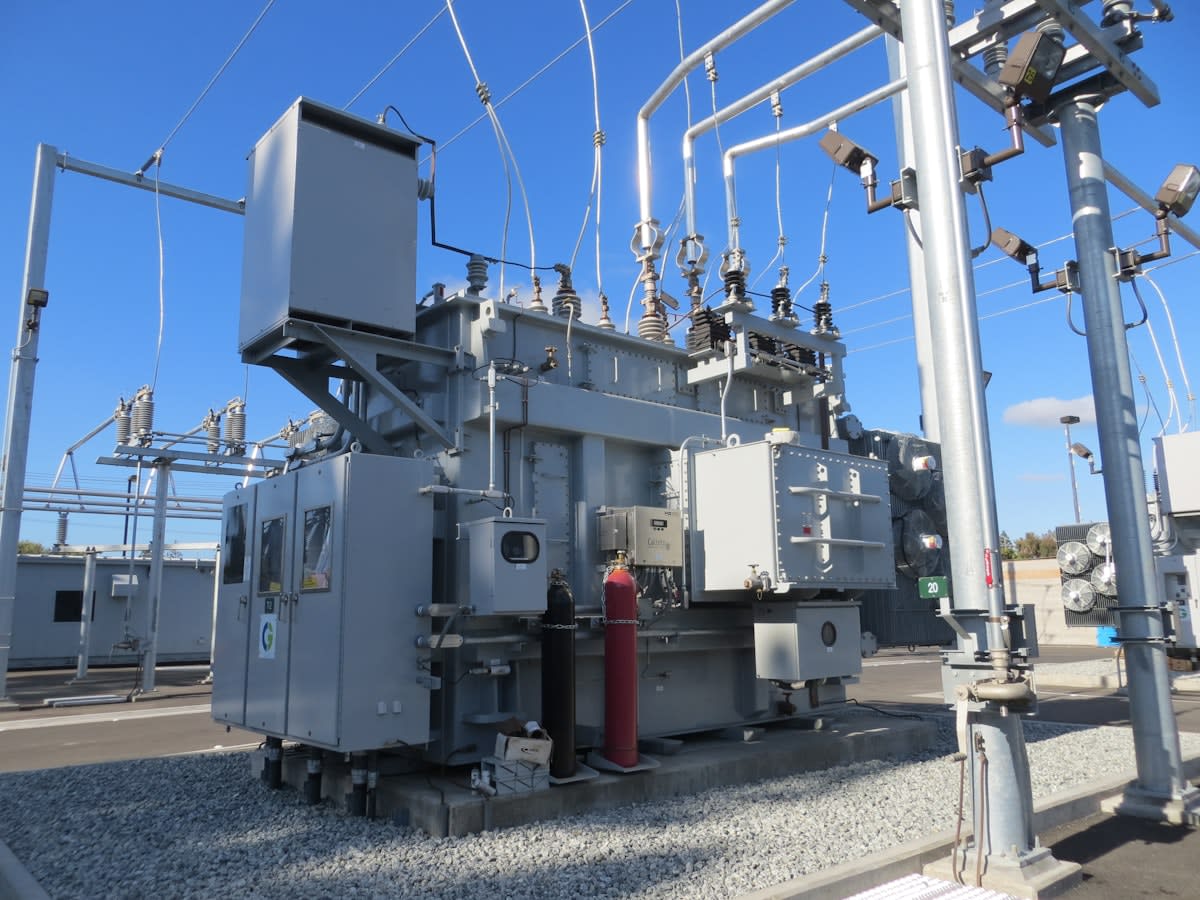
This focus on longevity extends beyond the factory floor. The demand for high-performance semiconductors is now a geopolitical imperative. As Gaon Cable looks to expand its power infrastructure projects into the United States, the requirement for reliable, long-term component availability becomes a matter of national security. The grid is no longer a passive set of wires; it is an active, semiconductor-managed network that requires a guaranteed supply chain to remain operational.
Breaking the Silicon Ceiling in Energy Generation
While distribution and longevity provide the safety net, the actual capacity of the grid is being expanded through materials science. Silicon has been the gold standard for solar efficiency and durability for decades, but it is reaching its theoretical limit. Enter perovskites. The recent achievement by a team in Australia, which reached a solar conversion efficiency of 23.3% for a triple junction cell, represents a significant break from the status quo. By combining two types of perovskite with silicon, researchers are creating a hybrid that captures more of the solar spectrum.
What happens to the grid when the cost of generating a watt of power drops precipitously? The pressure shifts from generation to management. The ability to integrate these high-efficiency cells into the national power profile allows for a more decentralized energy architecture. This reduces the reliance on massive, centralized power plants and distributes the risk of failure across a wider array of smaller, more efficient nodes.
| Infrastructure Sector | Key Technical Driver | Scale/Metric | Resilience Outcome |
|---|---|---|---|
| Semiconductor Mfg | Power Distribution Cables | Tens of Billions of Won | Cluster Scalability |
| Renewable Energy | Perovskite Triple Junction | 23.3% Efficiency | Generation Cost Reduction |
| E-Mobility | EV Charging Networks | 10,000+ Units | Edge Grid Stability |
| Component Supply | Lifecycle Management | 100% Authorized Sources | Elimination of Obsolescence |
The transition to perovskite-silicon hybrids is not just a lab victory; it is a financial lever. When policy makers recognize a sea change in costs and efficiency, the investment flow follows. This enables the rapid addition of new generating capacity, which is the only way to feed the power-hungry semiconductor clusters being built in places like Yongin. The grid's resilience is thus a closed loop: better materials lead to cheaper power, which fuels the production of the very chips that manage that power.
The Saudi Experiment: Stress-Testing the Edge
If the semiconductor cluster is the heart of the new grid, the electric vehicle (EV) network is its nervous system. In Saudi Arabia, the partnership between Wallbox and Turning Point Energy has surpassed 10,000 EV chargers deployed across the Kingdom. This is not merely a milestone in adoption; it is a massive real-world stress test for power electronics. Every charger is essentially a high-power converter that must interface with the grid without causing instability.
The integration of brands like BYD and Lucid into this ecosystem demonstrates the need for scalable and reliable charging solutions. When thousands of high-kilowatt chargers activate simultaneously, the grid experiences volatile load swings. High-performance semiconductors are the only tools capable of managing these swings in real-time, preventing local brownouts and ensuring that the expansion of electric mobility does not come at the cost of grid stability.
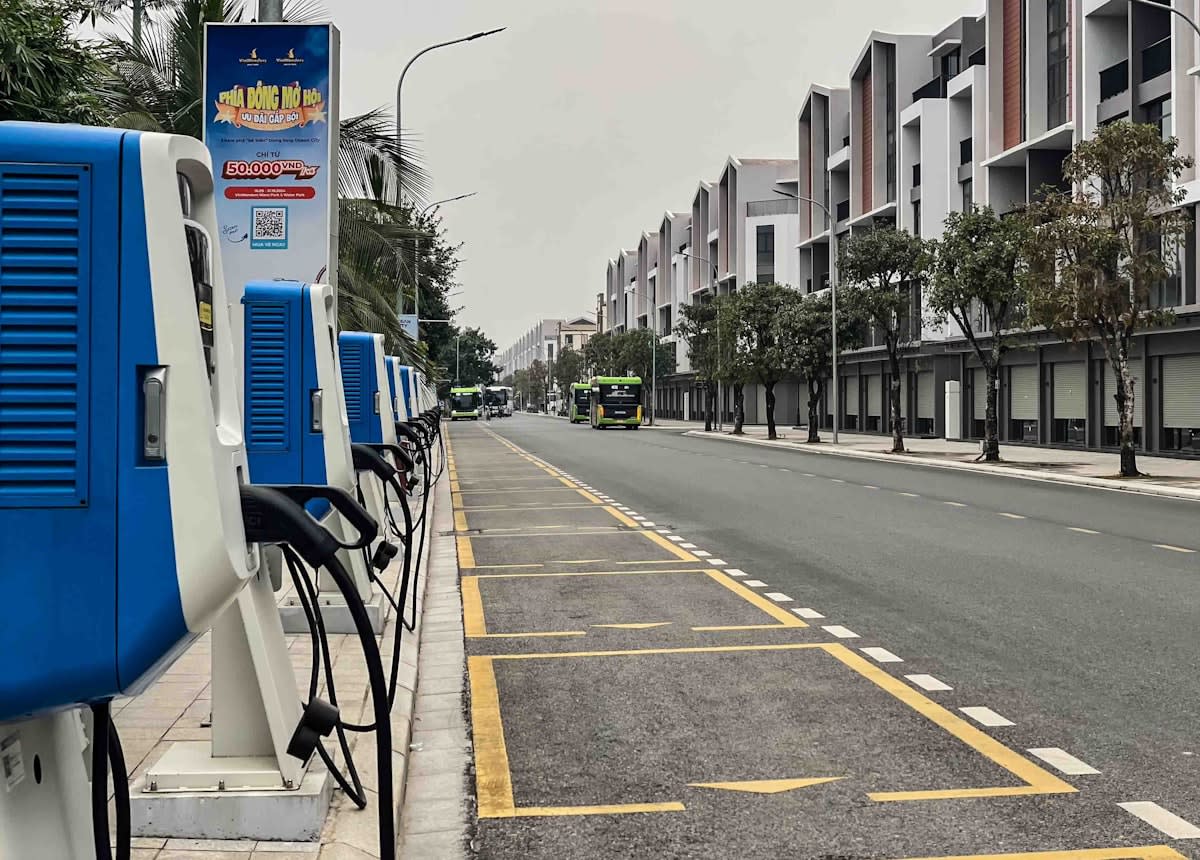
This deployment in Saudi Arabia highlights a broader global trend: the move toward 'smart' power. By using semiconductors that can switch power more efficiently and faster than traditional silicon, these chargers can modulate their draw from the grid. This turns the EV network from a liability into a potential asset, where vehicles can eventually act as distributed batteries that feed power back into the system during peak demand.
The Intelligence Layer
The intersection of RF components and power electronics is where the next leap in grid intelligence occurs. By combining Qorvo's RF capabilities with high-density power distribution, we move toward a grid that can communicate its own state of health in real-time.
We must ask ourselves if we are prepared for the volatility of this new energy landscape. The evidence suggests that the solution is not simply 'more copper' or 'more turbines.' The real battle for resilience is being fought at the component level. Whether it is the 23.3% efficiency of a perovskite cell in Australia or the lifecycle guarantee of a Qorvo chip in a US substation, the goal is the same: the removal of single points of failure.
The convergence of these trends—massive industrial power needs, extreme longevity in components, high-efficiency generation, and rapid edge deployment—points toward a future where the grid is no longer a fragile monolith. Instead, it becomes a flexible, semiconductor-managed web. The quiet redefinition of power grid resilience is not happening in the halls of government, but in the fabrication plants and distribution agreements that ensure the hardware of tomorrow can actually survive the demands of today.