Mulugu honey should be promoted under ‘Maa Shakti’ brand: Seethakka
Source Entity
India Latest News: Top National Headlines Today & Breaking News | The Hindu
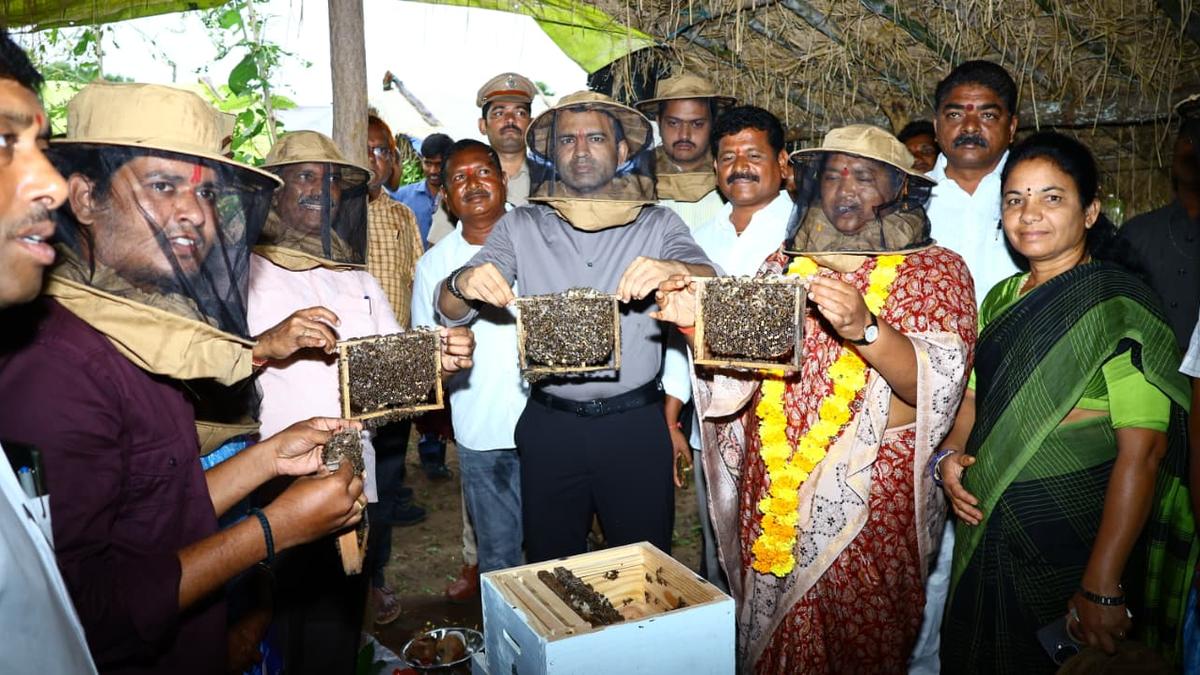
Minister D. Anasuya Seethakka is promoting scientific beekeeping among rural women in Mulugu, Telangana, encouraging them to market their produce under the 'Maa Shakti' brand to achieve economic independence.
Empowering Rural Telangana: The Strategic Push for Mulugu Honey
In a significant move toward rural economic revitalization, the Panchayat Raj and Rural Development Minister, D. Anasuya Seethakka, has advocated for the adoption of scientific beekeeping among rural women in the Mulugu region. By urging the community to leverage the 'Maa Shakti' brand, the Minister is not merely suggesting a new hobby but is proposing a structured economic framework designed to transition rural households from subsistence living to sustainable entrepreneurship. This initiative recognizes the inherent potential of the Mulugu landscape for apiculture and seeks to formalize the production process to ensure higher quality and marketability.
Transitioning to Scientific Beekeeping
The emphasis on "scientific beekeeping" is a critical detail in this directive. Traditional honey gathering, while common, often lacks the consistency and volume required for commercial scaling. By introducing scientific methods—such as the use of modern hives, controlled breeding, and systematic colony management—the government aims to increase the yield per hive and ensure the purity of the honey. This transition is essential for the Mulugu honey to compete in broader markets, as scientific standards allow for better quality control and certifications, which are prerequisites for entering urban retail spaces and export markets.
The 'Maa Shakti' Brand and Collective Identity
Central to this initiative is the 'Maa Shakti' brand. The creation of a dedicated brand for rural produce serves two primary purposes: it provides a recognizable identity for consumers and fosters a sense of collective ownership among the women producers. By consolidating individual efforts under a single brand umbrella, the rural women of Mulugu can achieve economies of scale in packaging, marketing, and distribution. This branding strategy effectively shifts the power dynamic from middle-men, who typically capture the majority of the profit, directly to the producers, thereby ensuring that the economic benefits of the honey trade remain within the local community.
Economic Self-Reliance and Gender Empowerment
The broader implication of this move is the pursuit of economic self-reliance for women in rural areas. Beekeeping is an ideal livelihood for rural women as it can be integrated with existing agricultural activities without requiring extensive land ownership. When women gain direct control over their income through the 'Maa Shakti' brand, it leads to a ripple effect of empowerment within the household, improving nutrition, education for children, and overall social standing. This aligns with the Ministry of Panchayat Raj and Rural Development's goal of creating sustainable, decentralized economic hubs that reduce the necessity for distressed migration to urban centers.
Integration with Rural Development Goals
This initiative fits into a larger pattern of diversifying rural income streams. Relying solely on traditional crop cycles leaves farmers vulnerable to weather fluctuations and market volatility. Apiculture provides a supplementary income source that is relatively resilient. Furthermore, bees play a vital role in pollination, which can lead to increased yields for other local crops, creating a symbiotic relationship between the beekeeping initiative and general agriculture in Mulugu. The government's focus on this sector suggests a strategic shift toward 'bio-entrepreneurship' as a tool for poverty alleviation.
Future Outlook and Scalability
Looking forward, the success of the Mulugu honey project under 'Maa Shakti' could serve as a blueprint for other districts across Telangana and India. If the model of combining scientific training with collective branding proves successful, it could be replicated for other forest-based or agricultural products. The next logical steps will likely include the establishment of processing centers and cold storage facilities in Mulugu to add further value to the raw honey. As the 'Maa Shakti' brand gains traction, there is potential for the expansion into related products like beeswax and royal jelly, further diversifying the revenue streams for rural women.
Conclusion
Minister D. Anasuya Seethakka's call to action represents a holistic approach to rural development. By merging scientific advancement with a strong branding strategy and a focus on gender-led entrepreneurship, the initiative aims to transform Mulugu honey from a local commodity into a symbol of economic empowerment. The success of this venture will depend on the consistent provision of technical training and the effective market penetration of the 'Maa Shakti' brand, but the foundation laid is a promising step toward genuine rural self-reliance.
Verification Required?