BMC orders fresh probe into Chembur tree collapse rejects panel’s clean chit
Source Entity
Nayonika Bose
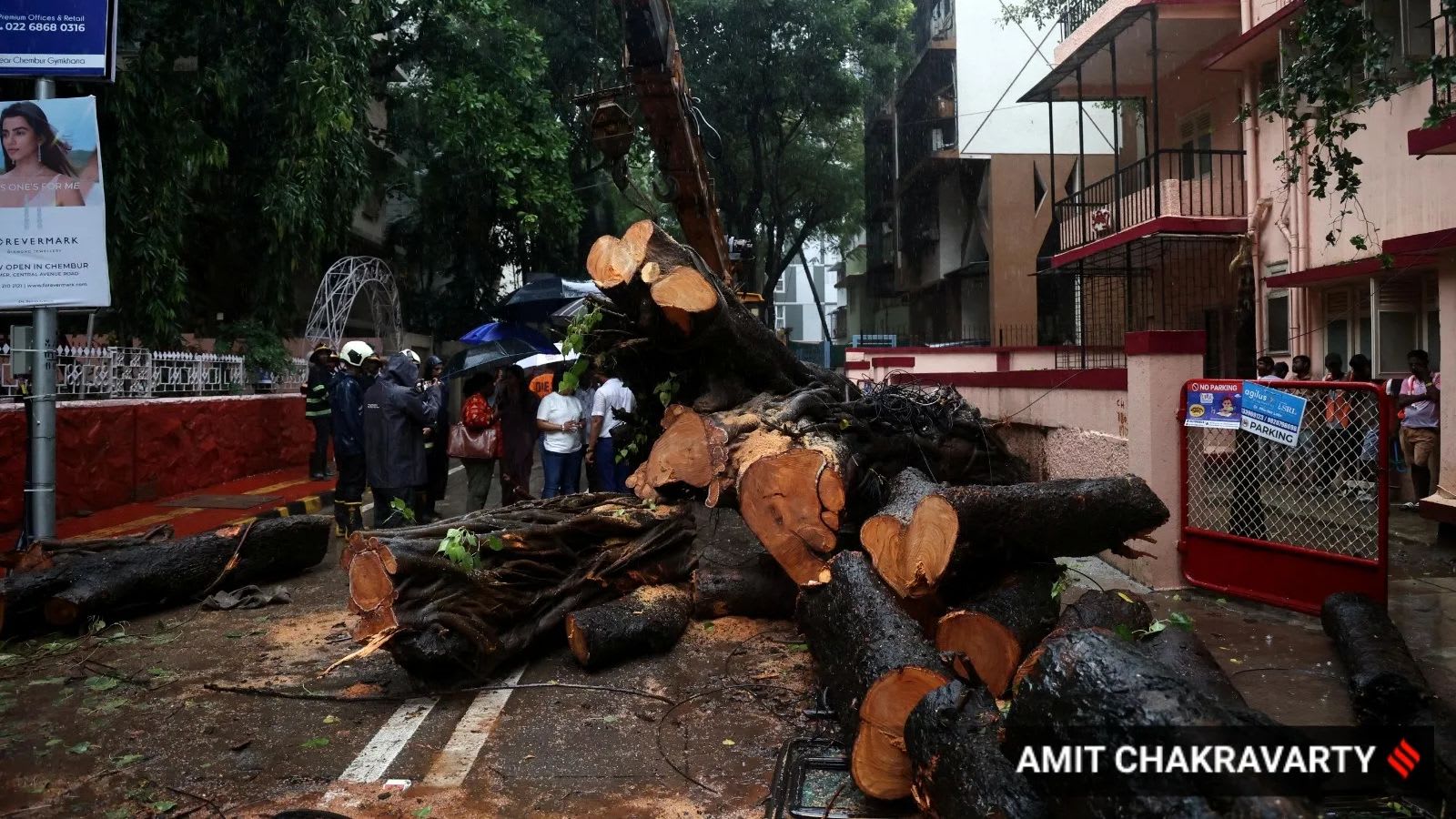
The Brihanmumbai Municipal Corporation (BMC) has ordered a new investigation into the fatal tree collapse in Chembur that killed an 11-year-old boy, rejecting an initial three-member panel's report that had cleared civic departments of any responsibility.
Accountability and Governance: Analyzing the BMC's Reversal on the Chembur Tree Collapse
The tragic death of an 11-year-old boy due to a tree collapse in Chembur has evolved from a local accident into a significant question of civic accountability. The Brihanmumbai Municipal Corporation (BMC), the governing body responsible for the city's infrastructure and urban forestry, has taken the unusual step of rejecting a 'clean chit' previously issued by its own internal three-member panel. This reversal suggests a critical internal realization that the initial findings were either insufficient or failed to address the systemic lapses that led to the fatality.
The Failure of Initial Internal Oversight
The initial decision by the three-member panel to absolve civic departments of responsibility highlights a recurring issue in municipal governance: the tendency toward internal shielding. When a civic body investigates its own departments, there is an inherent risk of bias or a desire to minimize institutional liability. In this case, the 'clean chit' appeared to ignore the fundamental duty of the BMC to ensure that trees in high-traffic urban areas are properly pruned and monitored for decay. The rejection of this report indicates that the administration recognizes the inadequacy of the first probe, potentially due to public outcry or the discovery of overlooked evidence regarding the tree's condition prior to the collapse.
Urban Forestry and Public Safety Risks
Mumbai's dense urban landscape makes the management of old and decaying trees a high-stakes operation. The Chembur incident underscores the precarious balance between maintaining green cover and ensuring public safety. Historically, the BMC has faced criticism for delayed pruning cycles and a lack of scientific auditing of 'danger trees.' When a tree falls in a residential or commercial zone, it often points to a failure in the pre-monsoon or routine maintenance schedules. This event serves as a grim reminder that negligence in urban forestry is not merely an administrative oversight but a life-threatening hazard for the city's residents.
Implications of the Fresh Probe
By ordering a fresh investigation, the BMC is signaling a shift toward greater accountability. A second, more rigorous probe is likely to examine whether the specific tree in Chembur had been flagged for removal or pruning in previous audits and why no action was taken. This process could lead to the identification of specific officials who failed in their duties, potentially resulting in disciplinary action. Furthermore, this move may set a precedent for how the BMC handles similar accidents in the future, moving away from reflexive exoneration toward a more transparent analysis of cause and effect.
Predicting Future Policy Shifts
Looking forward, this incident is likely to trigger a review of the BMC's tree-trimming and removal protocols. We can expect a push toward the digitalization of tree inventories, where every major tree is tagged and its health status is updated in a public or semi-public database to ensure transparency. There will likely be increased pressure on the Garden Department to implement more stringent safety audits and to engage third-party experts rather than relying solely on internal panels for accident investigations, thereby reducing the conflict of interest seen in the first probe.
Summary of the Crisis
In conclusion, the Chembur tree collapse is a poignant example of the gap between municipal duty and execution. The death of a child is an irreparable loss, and the initial attempt to clear the BMC departments of blame only added to the tragedy by suggesting a lack of remorse or responsibility. The decision to launch a new probe is a necessary step toward justice and safety. For the residents of Mumbai, the outcome of this investigation will be a litmus test for whether the BMC is truly committed to public safety or is simply managing the optics of a PR crisis.