Karnataka asks Centre to declare drought situation as ‘calamity of national significance’
Source Entity
India Latest News: Top National Headlines Today & Breaking News | The Hindu
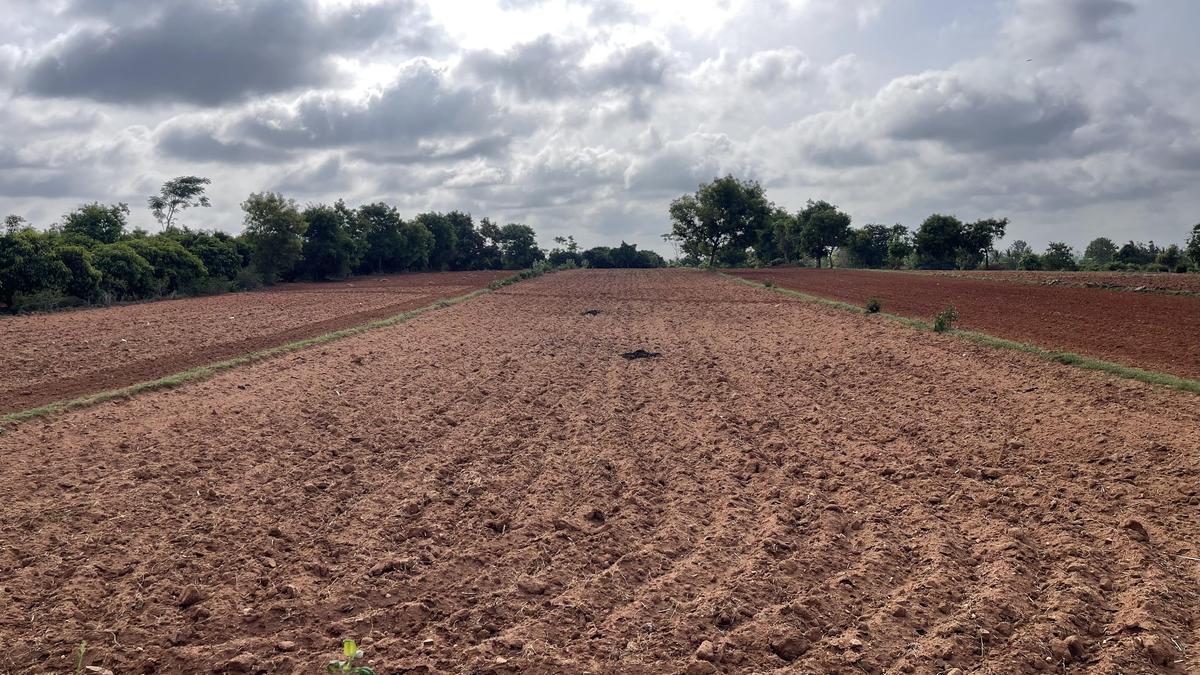
Karnataka has urged the Central Government to declare the current drought as a 'calamity of national significance' following preliminary reports of up to 80% crop loss in several regions due to extreme heat and inadequate rainfall.
Karnataka's Agricultural Crisis: The Push for National Calamity Status
The state of Karnataka is currently grappling with a severe agricultural crisis, prompting the state government to approach the Union Government with an urgent plea to designate the prevailing drought as a "calamity of national significance." This designation is far more than a formal label; it is a strategic request for massive financial intervention and systemic support from the Central Government to mitigate a disaster that threatens the livelihoods of millions. By escalating the status of the drought, Karnataka aims to unlock resources from the National Disaster Response Fund (NDRF) that far exceed the capabilities of state-level reserves, ensuring that the scale of relief matches the scale of the devastation.
Devastating Crop Loss and Economic Impact
According to preliminary assessments shared by Parameshwara, the devastation is staggering, with nearly 80% of sown crops lost in several heavily affected regions. This level of destruction suggests a near-total collapse of the agricultural cycle for the season, leaving farmers without a harvest to sell or consume. In a state where a significant portion of the rural economy depends on monsoon-driven agriculture, such a massive loss creates a ripple effect. It impacts not only the primary growers but also local markets, agricultural laborers, and the overall supply chain of essential food grains, potentially leading to localized price inflation and food insecurity.
Climatic Drivers: Heat and Water Scarcity
The current crisis is driven by a lethal combination of inadequate rainfall and persistently high temperatures, which have accelerated soil moisture depletion and caused widespread crop wilting. While Karnataka has historically struggled with erratic monsoons, the intensity of recent heatwaves combined with rain deficits indicates a worsening trend of climatic volatility. This specific event highlights the fragility of current farming practices in the face of extreme weather, where traditional cropping patterns are no longer sufficient to withstand the increasing frequency of thermal stress and water scarcity, pointing toward a systemic vulnerability in the region's agrarian structure.
The Financial Mechanism of Disaster Relief
The demand for the "calamity of national significance" status is deeply rooted in the financial architecture of disaster management in India. Typically, states rely on the State Disaster Response Fund (SDRF) for immediate relief. However, when a disaster reaches a magnitude that overwhelms state coffers, central assistance becomes mandatory for sustainable recovery. By seeking this specific designation, Karnataka is arguing that the drought's scale is no longer a regional issue but a national economic concern, necessitating a direct injection of funds to provide comprehensive compensation to farmers and restore damaged agricultural infrastructure.
Socio-Economic Fallout and Human Cost
Beyond the immediate financial loss, the socio-economic implications of an 80% crop failure are profound. Farmer distress often manifests in increased debt cycles, as many had already invested significant capital in seeds and fertilizers expecting a viable harvest. Without immediate central aid, there is a heightened risk of rural insolvency, which historically leads to an increase in distress migration toward urban centers like Bengaluru. This instability threatens the social fabric of rural Karnataka and puts immense pressure on the social safety nets provided by the state government.
Conclusion and Future Outlook
Looking forward, this event serves as a critical wake-up call for a fundamental shift in Karnataka's agricultural strategy. While immediate financial relief is the priority to prevent a humanitarian crisis in the farming community, the recurring nature of these droughts suggests that the state must invest more heavily in climate-resilient crop varieties and advanced micro-irrigation systems. The outcome of the Centre's response to this request will determine the immediate survival of thousands of farming households, but the long-term solution lies in decoupling agricultural productivity from the unpredictability of the monsoon through sustainable water management.
Verification Required?