Government to develop 1,000 schools as KPS with CCSR funds
Source Entity
India Latest News: Top National Headlines Today & Breaking News | The Hindu
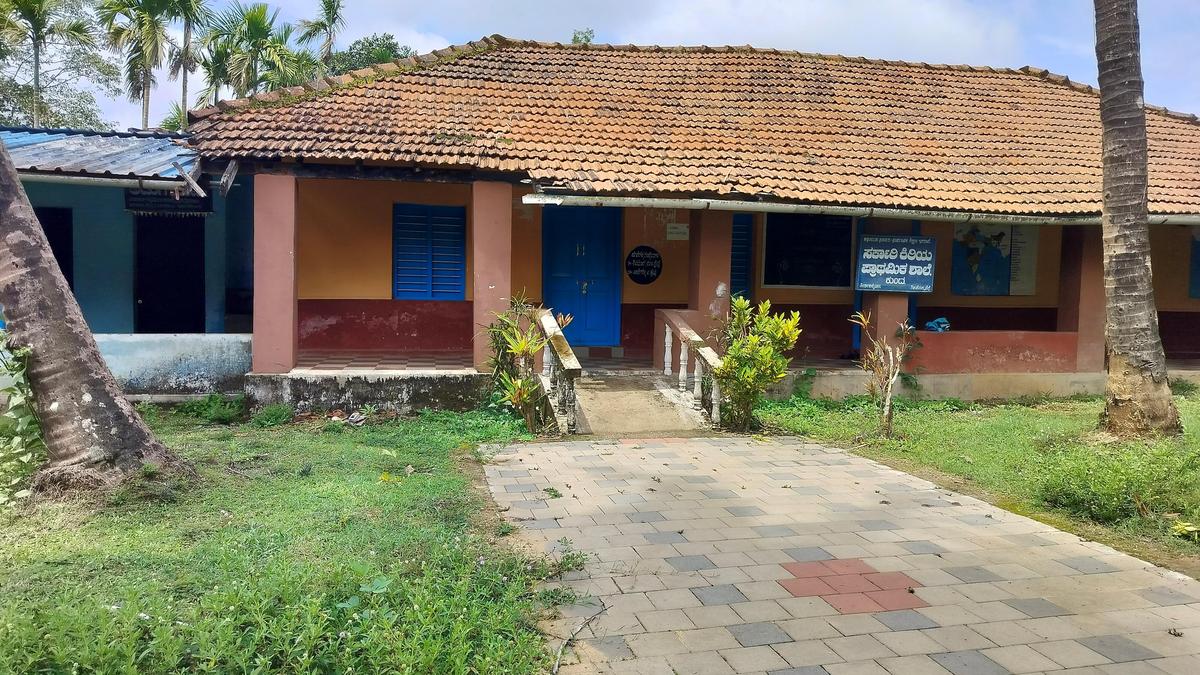
The Karnataka government has announced a strategic initiative to upgrade 1,000 government schools into Karnataka Public Schools (KPS) over the next two years, leveraging Community and Corporate Social Responsibility (CCSR) funds to enhance educational infrastructure and quality.
Transforming Public Education: The Rise of Karnataka Public Schools (KPS)
The Karnataka government has embarked on an ambitious educational overhaul by announcing the development of 1,000 government schools into specialized "Karnataka Public Schools" (KPS). This initiative, slated for completion within the next two years, represents a significant shift in how the state approaches public education. By focusing on a targeted number of institutions for comprehensive upgrades, the government aims to create centers of excellence that can bridge the widening gap between state-run schools and private educational institutions, ensuring that high-quality education is accessible to students regardless of their socio-economic background.
The Strategic Role of CCSR Funding
Central to this plan is the utilization of Community and Corporate Social Responsibility (CCSR) funds. Unlike traditional government-funded projects that rely solely on budgetary allocations, the CCSR model creates a synergistic partnership between the state, the private sector, and local communities. By integrating Corporate Social Responsibility (CSR) with community involvement, the government can mobilize diverse resources—ranging from financial grants and modern technology to professional mentorship and infrastructural expertise. This approach not only reduces the immediate fiscal burden on the state exchequer but also ensures that the corporate sector has a vested interest in the success and sustainability of these schools.
Infrastructure Modernization and Educational Equity
The upgrade to KPS status is expected to involve more than just aesthetic renovations; it likely encompasses a holistic modernization of the learning environment. This includes the integration of smart classrooms, advanced science laboratories, and improved sports facilities, all of which are critical for preparing students for a digital-first economy. Historically, government schools in rural and semi-urban areas have struggled with inadequate facilities, often leading to a migration of students toward expensive private schools. By transforming these 1,000 schools into KPS, the government is effectively decentralizing quality education, providing marginalized students with the tools and environments necessary to compete on a global scale.
Timeline and Implementation Challenges
The two-year window set for this rollout indicates a sense of urgency and a structured phased approach. Implementing such a large-scale upgrade requires meticulous planning, from the selection of the 1,000 schools to the transparent management of CCSR funds. The challenge will lie in ensuring that the quality of development is uniform across all selected institutions and that the transition to the KPS model includes not only physical infrastructure but also pedagogical improvements. To succeed, the government must establish rigorous monitoring frameworks to track the impact of these upgrades on student learning outcomes and teacher efficiency.
Broader Implications for the Indian Education Landscape
This initiative aligns with the broader goals of the National Education Policy (NEP), which emphasizes the need for equitable and inclusive education. If successful, the KPS model could serve as a blueprint for other Indian states seeking to revitalize their public schooling systems without relying exclusively on tax-payer funding. The shift toward a community-corporate partnership model suggests a future where public schools act as hubs of community development, fostering a culture of shared responsibility for the intellectual growth of the next generation.
Conclusion
In summary, the conversion of 1,000 government schools into Karnataka Public Schools (KPS) is a bold step toward democratizing quality education in the state. By leveraging CCSR funds, the Karnataka government is not only updating buildings but is reimagining the public school ecosystem. While the success of the project depends on efficient execution and sustained corporate partnership, the potential for positive socio-economic impact is immense, promising a more equitable future for thousands of students across the region.
Verification Required?