A.P. Food Commission finds lapses at anganwadi centres and welfare hostels
Source Entity
India Latest News: Top National Headlines Today & Breaking News | The Hindu
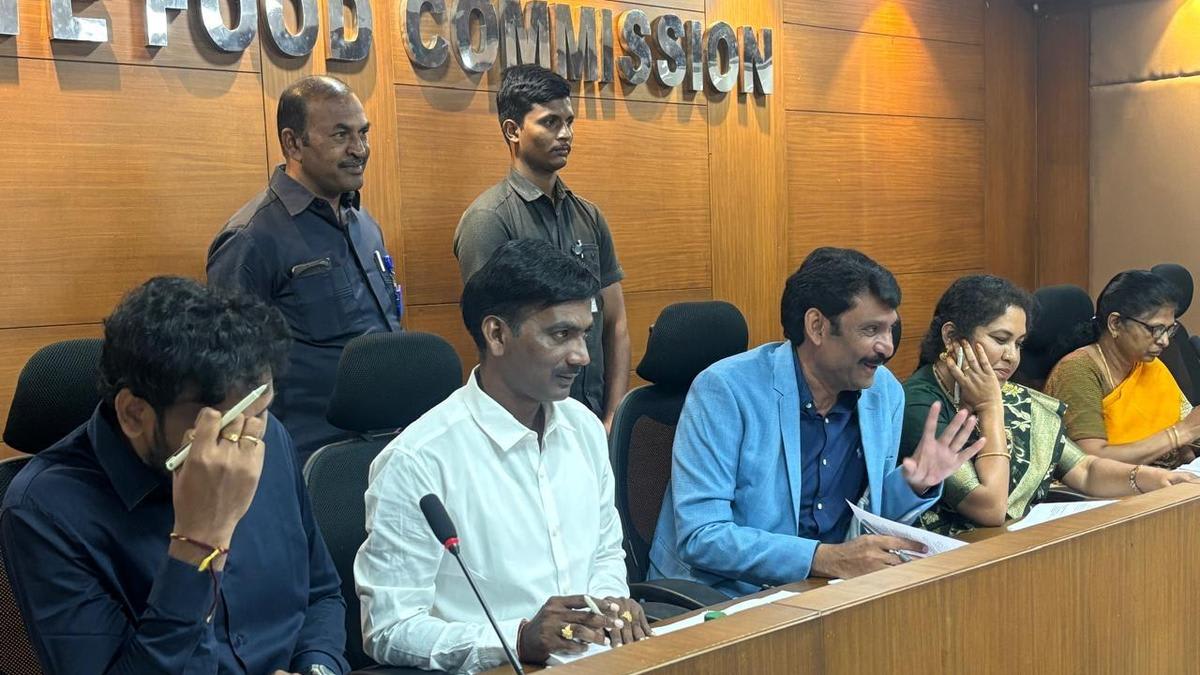
The Andhra Pradesh Food Commission has issued notices to several anganwadi centres and welfare hostels following the discovery of severe lapses, including the use of expired provisions, the serving of stale food to children, and the misuse of food stocks.
Investigation into Nutritional Negligence in Andhra Pradesh
The Andhra Pradesh Food Commission has recently uncovered a series of alarming systemic failures within the state's primary child welfare and nutrition networks. Through a rigorous inspection process, the Commission identified significant lapses at various anganwadi centres and government-run welfare hostels. These institutions, which are designed to be the frontline of nutritional support for the most vulnerable segments of the population, were found to be operating in violation of basic food safety and hygiene standards. The issuance of official notices to these institutions marks a critical step in the state's attempt to hold administrative heads accountable for the health of the children under their care.
Critical Failures in Food Quality and Safety
One of the most distressing findings of the Commission's report is the serving of stale food to children. In the context of anganwadis and welfare hostels, where children often rely on these meals as their primary source of nutrition, the provision of spoiled food is not merely an administrative error but a severe health risk. Stale food can lead to acute gastrointestinal infections, food poisoning, and long-term nutritional deficiencies. Furthermore, the discovery of expired provisions being used in the preparation of mid-day meals suggests a breakdown in the inventory management system. Using expired ingredients compromises the nutritional value of the meals and exposes children to potentially toxic chemical breakdowns of food preservatives and additives.
Misuse of Stocks and Administrative Corruption
Beyond the immediate health hazards, the Food Commission highlighted the "misuse of stocks," a phrase that often points toward systemic corruption or gross mismanagement. In state-funded welfare schemes, food grains and nutritional supplements are allocated based on strict quotas to ensure every child receives their fair share. When stocks are misused—whether through theft, unauthorized diversion to the open market, or poor storage leading to wastage—it directly results in the underfeeding of children. This disparity between allocated resources and actual consumption indicates a lack of oversight at the local level, where supervisors may have failed to conduct regular audits of the pantry and storage facilities.
Broader Implications for Child Development
These lapses have profound implications for the cognitive and physical development of the children affected. The mid-day meal and anganwadi systems are designed to combat stunting and wasting, which are persistent challenges in public health across India. When the quality of these meals is compromised by stale or expired ingredients, the intended health outcomes are negated. Chronic exposure to poor-quality food during critical growth windows can lead to irreversible developmental delays and weakened immune systems, thereby placing a long-term burden on the state's healthcare infrastructure and hindering the future productivity of the youth.
Systemic Challenges in Welfare Management
Historically, the management of large-scale welfare schemes in India has struggled with the "last-mile delivery" problem. While policies are well-drafted at the state level, the execution at the village or district level often suffers due to a lack of trained personnel and inadequate monitoring. The A.P. Food Commission's findings reflect a recurring pattern where the focus is often on the quantity of food distributed rather than the quality of the food served. The reliance on manual record-keeping for stocks often allows for the manipulation of data, hiding the fact that expired goods are being used or that stocks are being siphoned off.
Conclusion and Future Outlook
To prevent the recurrence of such negligence, Andhra Pradesh must move toward a more transparent, digitized system of food tracking and quality control. Implementing real-time inventory management and surprise third-party audits could significantly reduce the misuse of stocks. Moreover, the notices served by the Food Commission must be followed by stringent disciplinary actions against negligent officials to create a culture of accountability. Ensuring that anganwadi centres and welfare hostels adhere to the highest safety standards is not just a matter of administrative compliance, but a fundamental requirement for safeguarding the health and future of the state's children.
Verification Required?