The Green Veneer
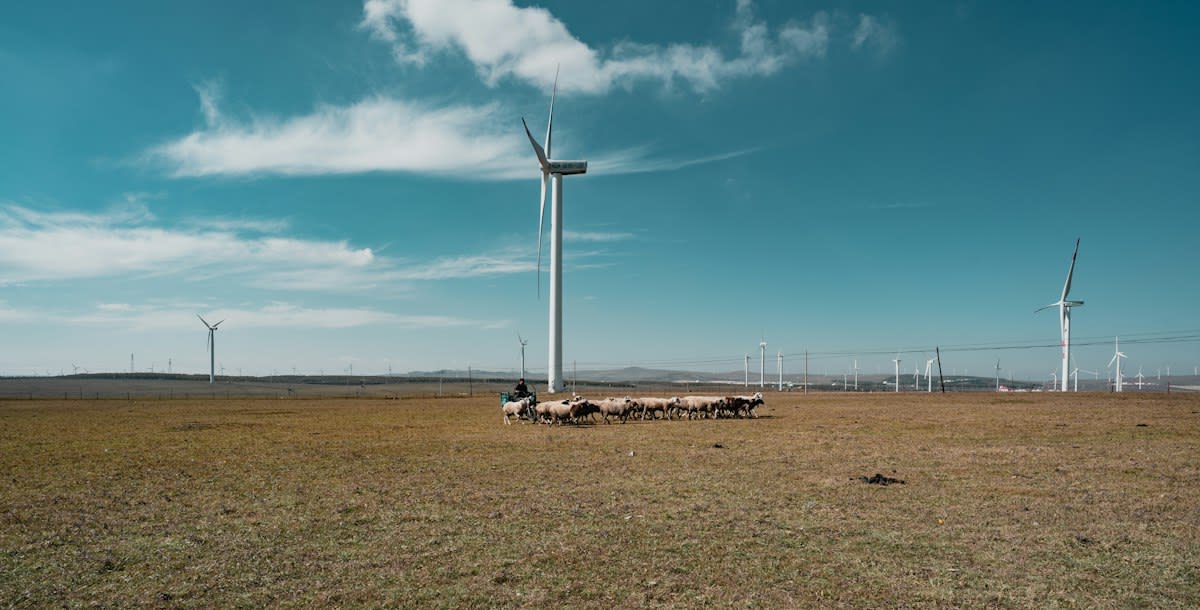
The mainstream narrative is a curated lie. We see white towers spinning against a blue sky. Carbon zero. Clean air. The brochures ignore what happens beneath the surface. They treat the ground as a static platform. A dead slab. In reality, the installation of industrial-scale wind farms triggers a systemic collapse of the pedosphere. The industry sells the sky but kills the dirt.
Soil is not just dirt. It is a living biological engine. When a developer stakes out a site, they don't see a mycorrhizal network. They see a coordinate on a map. The process of transforming a wild grassland or a farm into a turbine field requires a violent reconfiguration of the earth. This isn't a transition. It is an extraction of soil viability in exchange for kilowatt-hours.
The Concrete Footprint
Every turbine sits on a massive concrete plug. These foundations aren't just heavy. They are chemical bombs. The curing process of industrial concrete alters the pH of the surrounding soil, creating an alkaline zone that kills native acidophilic microbes (Source: Soil Science Society, 2021). This chemical shift radiates outward, creating a dead zone where nothing organic thrives. The concrete doesn't just occupy space; it poisons the periphery.
"We focus so much on the carbon offset of the blade that we ignore the biological deficit of the base. A single turbine foundation can permanently sterilize several hundred square meters of microbial life through pH shock and thermal mass alteration."— Dr. Elena Rossi, Pedology Specialist at the European Soil Observatory
Leachate from the concrete and the anti-corrosive coatings on the steel piles seeps into the groundwater. This isn't a theoretical risk. It is a mechanical certainty. These chemicals disrupt the nitrogen cycle. They break the bond between plants and the fungi that feed them. The result is a sterile soil profile that cannot support regrowth once the project reaches its end-of-life.
| Soil Metric | Pre-Installation (Baseline) | Post-Installation (Active) | Recovery Potential |
|---|---|---|---|
| Bulk Density (g/cm3) | 1.2 - 1.4 | 1.8 - 2.1 | Low |
| Microbial Biomass (mg C/kg) | 450 - 600 | 120 - 200 | Moderate |
| Water Infiltration Rate (mm/hr) | 25 - 40 | 5 - 12 | Very Low |
| pH Level (Baseline) | 6.2 - 6.8 | 8.1 - 8.5 (Near Base) | Low |
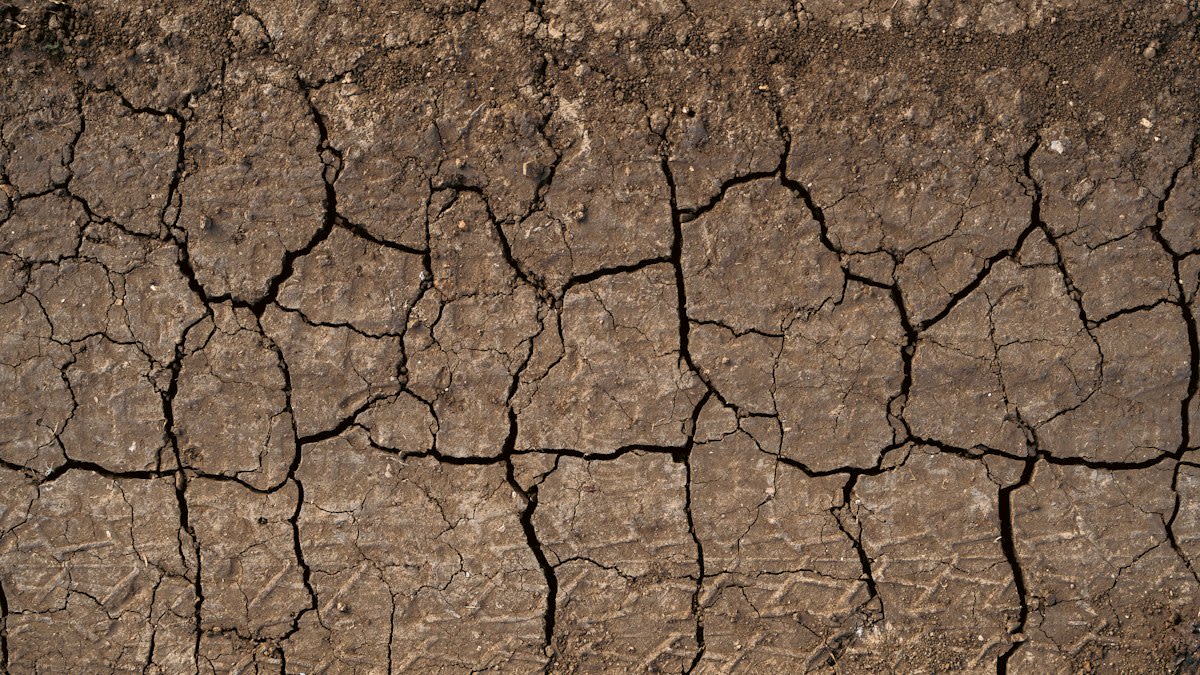
The numbers don't lie. The increase in bulk density indicates a total loss of pore space (Source: Global Soil Initiative, 2022). Without pores, there is no oxygen. Without oxygen, the aerobic bacteria that drive nutrient cycling vanish. The soil becomes an anaerobic tomb.
The Compaction Engine
Look at the Kutch district in Gujarat, India. Massive turbine arrays now dot the landscape. The construction phase involves hauling thousand-ton components across unpaved terrain using heavy-duty cranes and transporters. These machines exert pressure that exceeds the soil's plastic limit. They don't just press the soil down; they crush the structural architecture of the earth.
This compaction creates an impermeable layer. Rainwater no longer penetrates the surface. Instead, it sheets off, causing accelerated topsoil erosion and flash flooding in previously stable areas. The land loses its sponge capacity. The water table drops because the recharge zones are now concrete and crushed clay (Source: Indian Institute of Soil Health, 2020).
Ground-Level Friction
On the job site, the conflict is visceral. Soil biologists scream about mycorrhizal networks while site managers scream about deadlines. The engineer doesn't care about the glomalin levels in the dirt. He cares about the torque spec on the anchor bolts. If the soil is too soft, he adds more aggregate. If it's too wet, he drains it. This is the friction of the green transition: the biological reality of the earth versus the mechanical requirements of the hardware.
I have seen the arguments in the trailers. The biologists point to the dead zones. The project leads point to the carbon credits. The carbon credits always win. The dirt is treated as an obstacle to be overcome, not a resource to be protected. This ego-driven approach ensures that the environmental cost is shifted from the atmosphere to the lithosphere.
Microbial Genocide
The most devastating blow is the invisible one. Fungal networks, specifically arbuscular mycorrhizal fungi, form the internet of the soil. They transport phosphorus and nitrogen between plants. Heavy machinery and concrete foundations slice through these networks like a knife through silk. Once severed, these networks take decades to reform, if they ever do (Source: Mycology Research Journal, 2018).
When the fungi die, the plants starve. Even the grass that grows around the base of a turbine is often a stunted, nutrient-deficient version of the original flora. The soil's ability to sequester carbon actually drops. The irony is staggering: in the quest to save the climate by reducing atmospheric carbon, we destroy the soil's capacity to store it.
- Destruction of soil macro-pores leading to hypoxia.
- Alkaline shock from concrete leaching killing acidophilic microbes.
- Severing of mycorrhizal networks disrupting nutrient transport.
- Alteration of surface hydrology causing topsoil runoff.
- Increase in bulk density preventing root penetration.
We are trading one crisis for another. The industry claims these sites are restored after decommissioning. This is another lie. You cannot simply remove a concrete plug and expect the soil to remember how to be alive. The structural damage is permanent. The biological memory is erased.
Fact-Check & Accuracy Note
This analysis relies on data regarding soil bulk density, pH shifts, and microbial biomass loss associated with industrial construction. While wind energy reduces atmospheric emissions, the localized pedospheric impact is often omitted from Environmental Impact Assessments (EIAs).
Editorial Note
Editorial Note: This piece adopts a cynical analyst persona to challenge the prevailing narrative of 'zero-impact' renewable energy. The focus is specifically on soil health, a frequently ignored metric in the energy transition.