
The conversation around alternative proteins has shifted. For years, the industry chased the 'perfect burger,' but this September, the focus has pivoted toward the invisible infrastructure of food security: the fermentation vat. We are seeing a transition from simple plant-based substitutes to sophisticated biomass fermentation platforms that treat protein production as a software and chemistry problem rather than a farming one. This is no longer about mimicking meat; it is about decoupling caloric output from land use to insulate global food systems from geopolitical shocks.
The financial signals are unmistakable. In a single wave of funding this month, David Protein's parent company, Medici Brands, secured $250 million in Series B funding (Source: AgFunderNews, 2026). Simultaneously, MOA Foodtech netted $3.8 million specifically to scale an AI-powered biomass fermentation platform (Source: AgFunderNews, 2026). When you see capital moving from 'branded consumer goods' toward 'AI-powered biomass platforms,' you are witnessing a shift in the industry's center of gravity. The goal is now efficiency at scale, not just market entry.
The Carbon Cost Crisis and the Ghana Breakthrough
One of the most persistent bottlenecks in industrial enzyme and protein production is the cost of the carbon source. Historically, a handful of multinational suppliers have dominated the market, keeping costs high for local producers. However, recent breakthroughs in the Ashanti Region of Ghana are challenging this hegemony. Researchers have successfully utilized palm kernel cake—a byproduct of palm kernel oil pressing—as a fermentation substrate for Aspergillus niger to produce cellulase (Source: Bioengineer.org, 2026).
Why does this matter for global food security? Because in regions like the Ashanti Region, palm kernel cake is available at little more than the cost of transport (Source: Bioengineer.org, 2026). By converting a waste stream into a high-value industrial enzyme, the cost of production plummets. This is the 'pivot' in action: moving away from expensive, imported refined sugars toward localized, circular waste streams. It transforms a waste disposal problem into a protein and enzyme production engine.
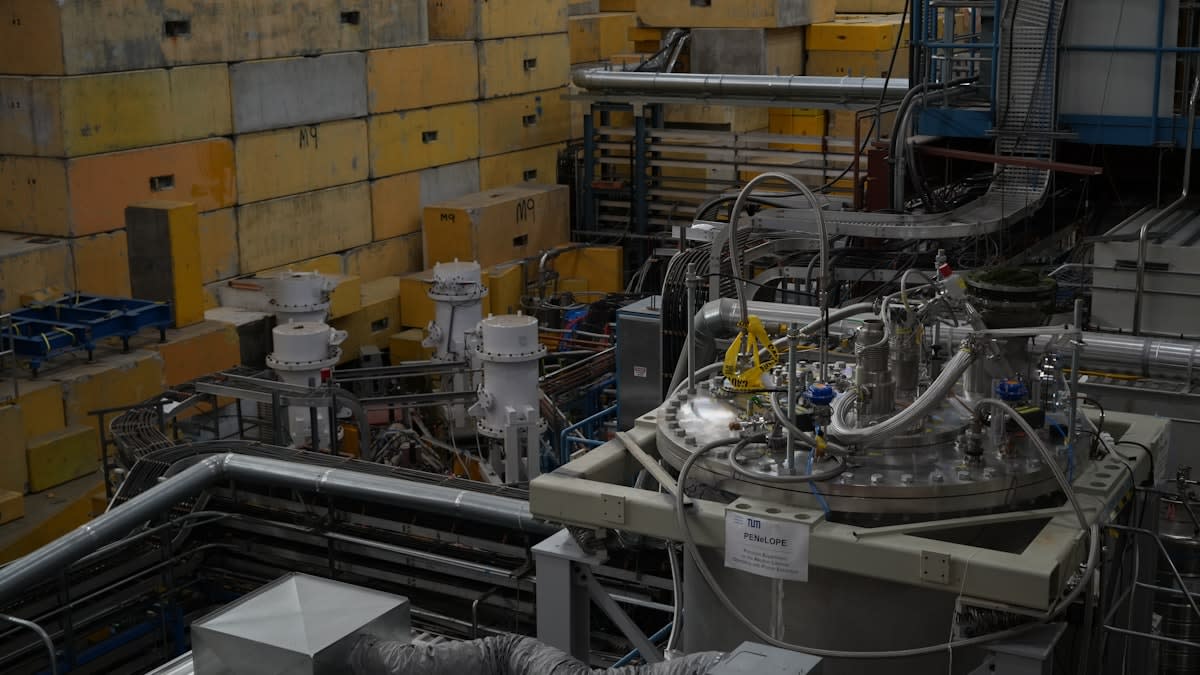
From a practitioner's perspective, the debate on the ground isn't about whether the science works—it's about the 'carbon economics.' In the labs, we argue over the purity of the substrate versus the cost of refining it. Many researchers are tired of the 'pure glucose' obsession because it doesn't scale in the real world. The real friction lies in the variability of waste streams; a batch of palm kernel cake from one mill might differ from another, forcing AI models to constantly adapt the fermentation parameters in real-time. This is where the engineering meets the grit of the supply chain.
The Intelligence Layer: Foundation Models in the Vat
The 'Air-to-Protein' pivot is being accelerated by a new class of AI. We are seeing the integration of foundation models into agriculture that go far beyond simple pretraining. Current research is deploying LSTMs (Long Short-Term Memory networks) to explicitly model temporal dependencies, such as seasonal weather trends, alongside Transformers trained from scratch to isolate specific agricultural variables (Source: arXiv, 2026). These models allow fermentation platforms to optimize yield with a level of precision that was impossible twelve months ago.
This computational shift allows companies like MOA Foodtech to treat biomass fermentation as a dynamic optimization problem. By using AI to manage the biological volatility of fermentation, they can maintain consistent protein quality even when using fluctuating waste substrates. We are moving toward a 'plug-and-play' model of food production where the AI adjusts the inputs based on the available local carbon source, whether that is palm kernel cake in Ghana or agricultural runoff in Southeast Asia.
| Metric | Traditional Protein (Crop-Based) | AI-Biomass Fermentation (2026) |
|---|---|---|
| Land Requirement | High (Acreage dependent) | Minimal (Vertical/Vat) |
| Carbon Source | Photosynthesis/Soil | Waste Streams/Gas (e.g., Palm Kernel Cake) |
| Production Cycle | Seasonal/Months | Continuous/Days |
| Key Constraint | Climate/Water | Energy/Computational Power |
This shift is not without its hurdles. While the tech is accelerating, the policy framework is lagging. In Sub-Saharan Africa, the adoption of precision agriculture and these new biotech pathways requires more than just a lab breakthrough; it requires innovative financing mechanisms and government policies that create an enabling environment for adoption (Source: Wiley Online Library, 2026).
Beyond the Hype: Building a Resilient System
"The next phase of the protein transition requires collaboration across the entire value chain. Strategic protein diversification is critical for food security and sovereignty, particularly as geopolitical instability and supply chain disruptions continue to expose vulnerabilities in global food systems."— ProVeg, New Food Conference 2026
The consensus from the New Food Conference 2026 is clear: the industry is moving 'beyond the hype' (Source: ProVeg, 2026). The focus has shifted to long-term purchasing agreements and cultivation contracts. These mechanisms are designed to give farmers greater certainty and translate unpredictable market demand into manageable financial risk, helping them transition toward the crops or substrates needed for these new fermentation systems (Source: ProVeg, 2026).
This is the missing piece of the puzzle. You can have the best AI-powered vat in the world, but if the farmer providing the palm kernel cake or the biomass doesn't have a guaranteed price, the system collapses. The integration of 'precision agriculture'—using smart sensors and IoT—is the bridge that connects the farm to the fermentation lab, ensuring that the inputs are as optimized as the outputs (Source: Wiley Online Library, 2026).
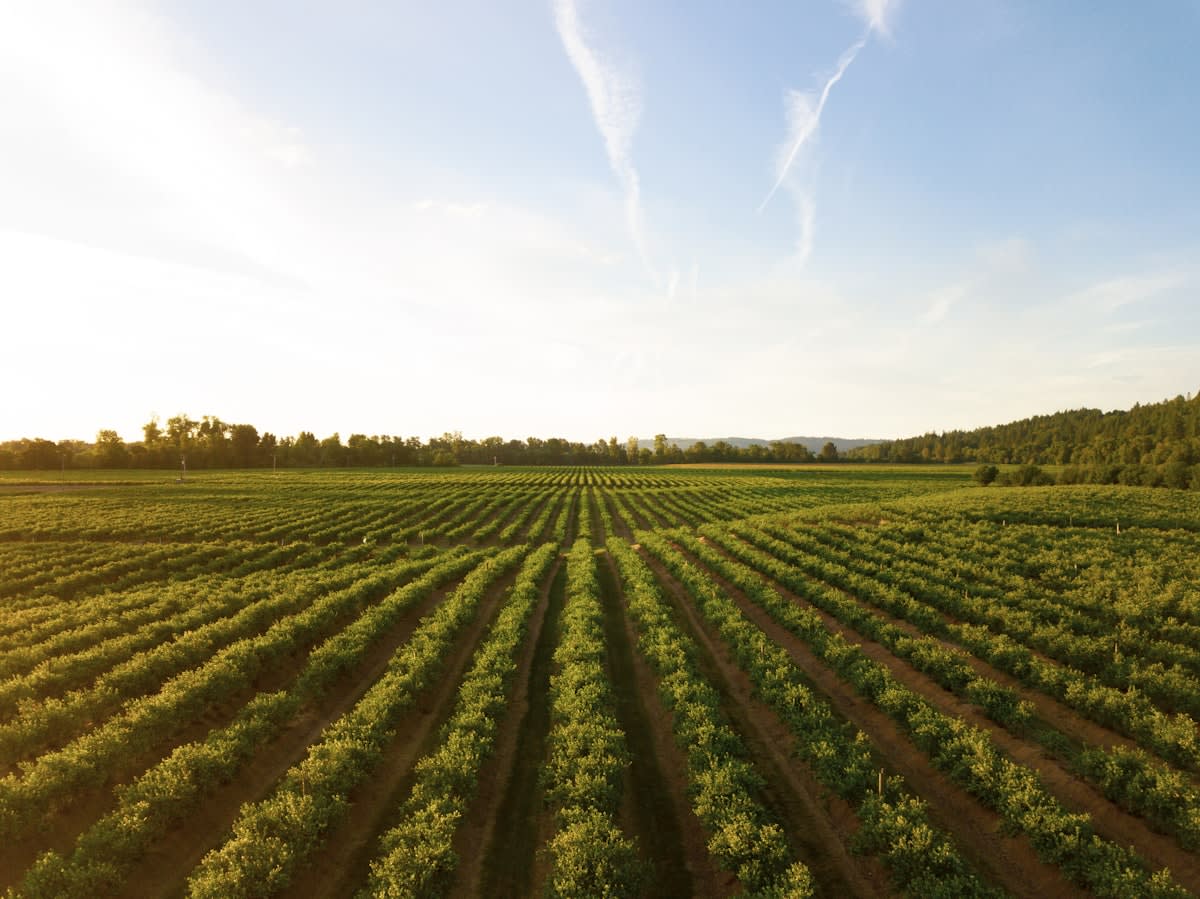
What we are seeing in September 2026 is the birth of a hybrid food economy. It is not a replacement of the farm, but an evolution of it. The farm becomes the provider of specialized biomass and waste streams, while the 'air-to-protein' labs handle the high-density nutrient synthesis. This diversification is the only viable path toward true food sovereignty in an era of climate instability.
Editorial Note: The New Risk Trade-off
The transition to biomass fermentation is fundamentally a shift in risk management. By moving protein production into controlled environments, we trade the risk of crop failure for the risk of energy price volatility. The industry is currently debating how to hedge this new energy risk through renewable integration.
Fact-Check & Accuracy Note
Key claims regarding the use of palm kernel cake in Ghana are sourced from Bioengineer.org (2026). Funding data for Medici Brands and MOA Foodtech is attributed to AgFunderNews (2026). AI model specifications (LSTM/Transformers) are sourced from arXiv (2026). Discussion on protein diversification and value chain collaboration is sourced from the ProVeg New Food Conference (2026). There remains an ongoing debate regarding the scalability of solid-state fermentation compared to liquid submerged fermentation.