
The Shift from Extraction to Regeneration
For the last 40 years, the global food engine has run on a philosophy of extraction. We have relied on industrial agriculture that systematically degrades topsoil through the relentless application of chemical fertilizers, mono-cropping, and over-tilling (Source: Global Landscapes Forum, 2026). This approach treats the farm as a factory rather than an ecosystem, resulting in a fragile landscape where crops are in constant competition for the same limited pool of water, light, and biology. The result is a precarious food system that requires increasing chemical inputs just to maintain stagnant yields.
The alternative isn't found in a new laboratory, but in the ancient soils of the Amazon. Ancestral polycultures—systems where diverse species coexist in symbiotic relationships—offer a blueprint for a world that can feed itself without killing the land. By leveraging the principles of agroforestry and soil innovation, we can move toward a model where a single properly placed tree becomes an entire infrastructure for biodiversity and productivity (Source: Soil4Climate, 2026). This isn't about returning to a primitive past; it is about applying high-level ecological engineering to solve modern food insecurity.
Prerequisites: What You Will Need
Before attempting to transition a plot of land to a polyculture system, you must move away from the linear thinking of row-cropping. You are no longer managing a crop; you are managing a rhizosphere. The goal is to create a self-sustaining loop where waste from one species becomes the fuel for another. This requires a commitment to biological diversity and a willingness to embrace a more complex, layered aesthetic than the clean lines of a monoculture field.
- High-quality biochar (specifically for soil amendment and nutrient retention)
- A diverse seed bank including nitrogen-fixing legumes, canopy trees, and ground-cover herbs
- Organic matter sources (compost, leaf litter, or animal manure) to activate biochar
- A site map that accounts for sun exposure and water runoff patterns
- Patience for a 3-5 year soil transition period
Step 1: Reconstructing the Soil with Terra Preta Principles
The secret to Amazonian productivity lies in Terra Preta, the centuries-old fertile soil created by indigenous peoples. Unlike standard tropical soils, which are often acidic and nutrient-poor, Terra Preta is remarkably resistant to nutrient leaching (Source: Facebook Group/Terra Preta, 2026). This resilience is driven by a high concentration of charcoal, microbial life, and organic matter. To replicate this in a modern context, you must implement biochar as a rhizosphere tool, which acts as a permanent housing complex for beneficial fungi and bacteria (Source: Facebook Group/Biochar, 2026).
Do not simply dump raw charcoal into your soil; this can lead to temporary nutrient lockout as the charcoal absorbs existing nitrogen. Instead, 'charge' your biochar by soaking it in a nutrient-rich liquid, such as compost tea or fermented organic matter, before application. This ensures that the charcoal enters the soil as a nutrient-dense sponge rather than a vacuum. Once integrated, this charcoal provides a stable structure that prevents the leaching of minerals during heavy rains, effectively creating a long-term reservoir of fertility.
"Milpa and Terra Preta show how ancestral knowledge and soil innovation can restore the health of our planet, proving that human intervention can actually increase biodiversity and soil fertility over time."— Global Landscapes Forum, 2026

Once the soil foundation is set, the focus shifts from the chemistry of the earth to the architecture of the plants.
Step 2: Designing the Polyculture Architecture
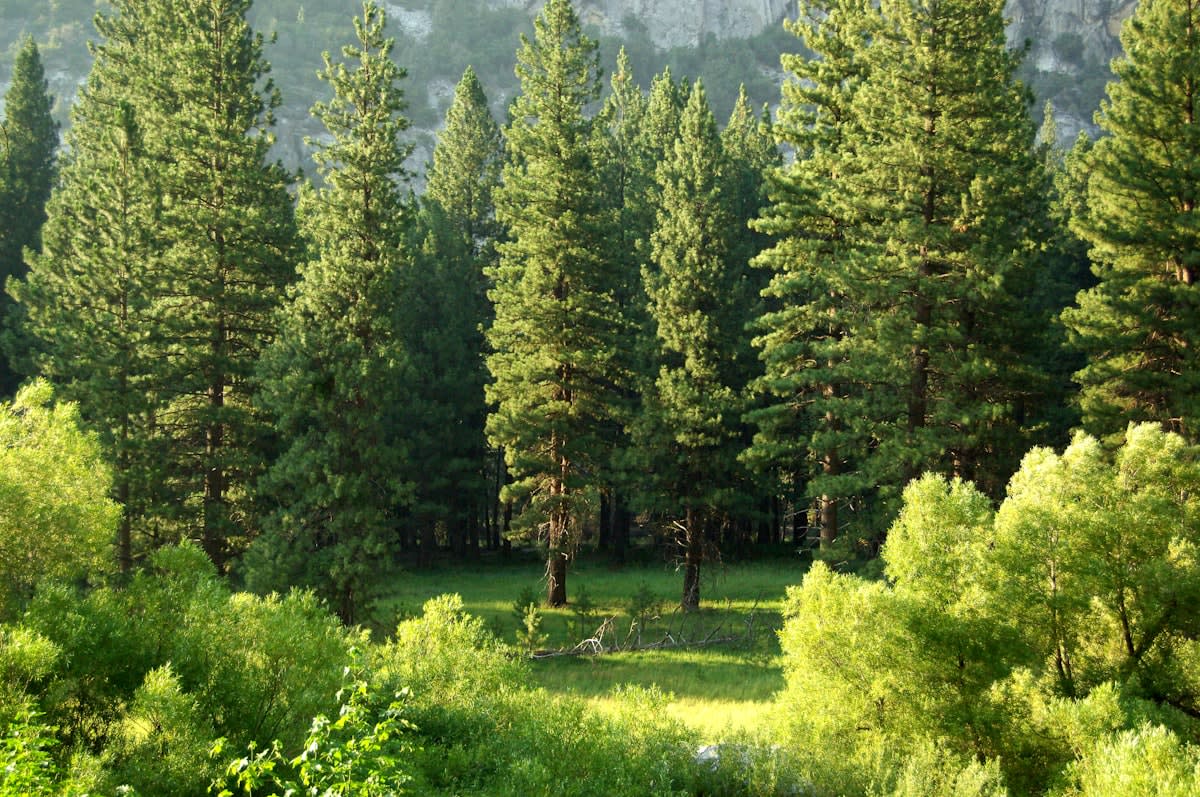
In a polyculture, we replace the row with the guild. A guild is a group of plants that support each other, mimicking the layered structure of a natural forest. Start with your canopy layer—fruit or nut trees that provide shade and wind protection. Beneath them, integrate a mid-story of shrubs and smaller fruit trees, and finally, a ground layer of herbs, tubers, and nitrogen-fixing cover crops. This vertical integration maximizes the use of every cubic centimeter of space, significantly increasing the total biomass produced per square meter.
The efficiency of this method is startling when compared to industrial plots. For example, a single 1m x 1m raised garden bed designed as a polyculture can yield a combined output of fruits, vegetables, and herbs that far exceeds the output of the same space dedicated to a single crop (Source: Craig Castree, 2026). By eliminating the competition found in monocultures—where plants fight for the same nutrients at the same soil depth—polycultures allow different root systems to occupy different strata, reducing stress and increasing overall resilience.
From a practitioner's perspective, this is where the most friction occurs. When I first implemented these systems, the biggest debate with traditional land managers was about 'tidiness.' Industrial farming prizes the clean row because it is easy to machine-harvest. Polycultures look like chaos to the untrained eye. However, that 'chaos' is actually a highly tuned biological engine. The real debate on the ground isn't about whether polycultures work—the yields prove they do—but about how to harvest them without the massive machinery designed for monocultures. We are essentially trading mechanical efficiency for biological efficiency.
With the architecture in place, the final phase is the long-term management of the ecological balance.
Step 3: Managing the Living Infrastructure
Management in a polyculture system is less about 'input' and more about 'observation.' Instead of applying scheduled fertilizers, you manage the nitrogen cycle by planting legumes and pruning canopy trees to create 'chop-and-drop' mulch. This process returns nutrients to the soil surface, where the biochar-enriched rhizosphere can efficiently process them. You are essentially mimicking the natural forest floor, where death and decay are the primary drivers of growth.
This approach works globally, from the Milpa systems of Mesoamerica to the forest gardens of Southeast Asia. The core principle remains the same: diversify the species to diversify the risk. If a pest hits one crop in a monoculture, the entire harvest is lost. In an Amazonian-style polyculture, the loss of one species is a minor setback, as the other layers continue to produce. This creates a food system that is not only productive but inherently secure against climate volatility.
Common Pitfalls in Polyculture Implementation
- Over-planting the canopy: Too much shade will kill your ground-layer crops. Always map your sun-shadows before planting.
- Using uncharged biochar: Applying raw charcoal can strip nitrogen from your soil, stunted growth in the first season.
- Ignoring local biology: Do not simply copy an Amazonian list of plants. Use the Amazonian principles with native species from your own region.
- Expecting immediate industrial yields: Polycultures take time to establish their symbiotic networks. The first two years are about building soil, not maximizing harvest.
Editorial Note
This guide focuses on the ecological application of biochar and polyculture. While these methods increase resilience and nutrition per square meter, they require a shift in labor from chemical application to biological management. The transition is an investment in the land's long-term viability.
Fact-Check & Accuracy Note
The claims regarding Terra Preta's resistance to leaching and the role of biochar as a rhizosphere tool are sourced from documented discussions within specialized soil and climate communities (Facebook Groups: Soil4Climate, Terra Preta, 2026). The data on industrial soil degradation is attributed to the Global Landscapes Forum (2026). Ongoing debate exists regarding the scalability of these systems for global commodity crops like soy or corn, which currently rely on high-speed mechanical harvesting.