'Congress spreading anarchy': BJP draws parallel between France and Delhi protests
Source Entity
SUBHADRA SRIVASTAVA
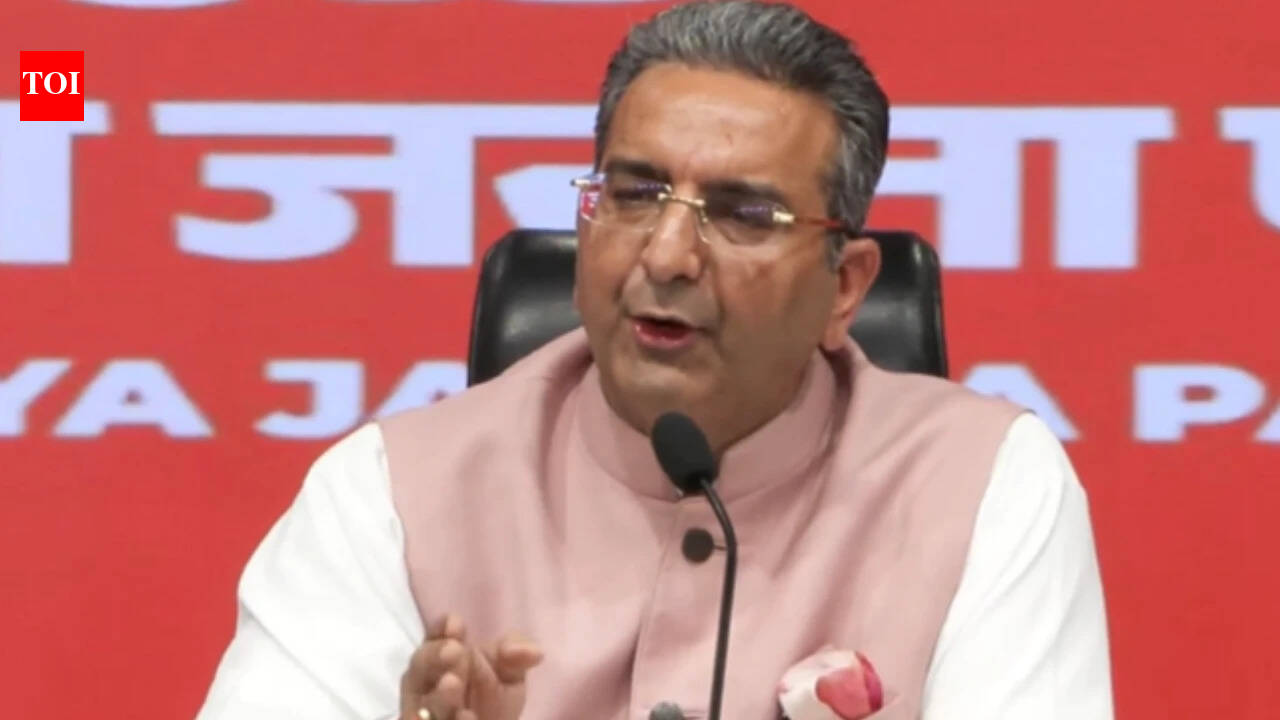
BJP spokesperson Gaurav Bhatia has accused Rahul Gandhi and the Congress party of conspiring to incite anarchy in India by allegedly collaborating with foreign organizations. The BJP claims these international links are being used to amplify domestic protests and create national instability.
The BJP’s Allegations Against Congress and Rahul Gandhi
In a recent press conference, BJP national spokesperson Gaurav Bhatia launched a stinging attack against Congress leader Rahul Gandhi, accusing him of fostering a climate of "anarchy and chaos" within India. The core of the BJP's argument rests on the assertion that the Congress party is leveraging foreign-based organizations to amplify domestic protests, thereby destabilizing the national political landscape. By drawing parallels to recent civil unrest observed in France, the BJP is attempting to frame domestic dissent not as organic political expression, but as a coordinated effort supported by external entities.
The Controversy Over International Alliances
The BJP’s accusations center on Rahul Gandhi’s alleged engagements with groups such as Progressive International and the Indian Alliance Paris. Gaurav Bhatia questioned the nature of these international ties, suggesting that they are conduits for a wider conspiracy against the current administration. This rhetoric serves to challenge the legitimacy of the Congress party's opposition tactics, painting them as a threat to national security and sovereign stability rather than a standard democratic critique of government policy.
Rhetorical Escalation in Political Discourse
Notably, during his address, Bhatia adopted highly aggressive rhetoric, referring to Rahul Gandhi as “Rahul Gaddar” (traitor). This escalation in language reflects a broader trend in Indian political discourse where domestic political friction is increasingly framed through the lens of national loyalty. By questioning the funding and operational intent of these international organizations, the BJP is attempting to shift the public narrative from policy-based debates to questions of constitutional integrity and foreign interference.
Broader Implications for Indian Democracy
This confrontation highlights the deep polarization within the Indian political spectrum. The BJP's strategy involves delegitimizing the opposition by casting their international outreach as inherently suspicious. This narrative strategy is designed to resonate with a nationalist base that is wary of foreign influence. However, it also raises significant questions about the boundaries of political debate, as the ruling party seeks to define the limits of how an opposition leader should engage with global civil society.
Historical Context and Future Trends
Historically, Indian politics has often seen accusations of foreign interference, but the scale and speed of digital amplification have transformed these debates. As social media allows for the rapid circulation of allegations, both parties have become adept at using these platforms to frame their opponents as enemies of the state. Moving forward, it is likely that the BJP will continue to focus on these alleged international links to maintain pressure on the Congress party, while the Congress will likely continue to defend its outreach as part of its role as a global democratic participant. This cycle of suspicion is expected to remain a defining feature of the political landscape leading up to future electoral cycles.