Merging SpaceX and Tesla would be a "good idea," Musk says
Source Entity
Eric Berger
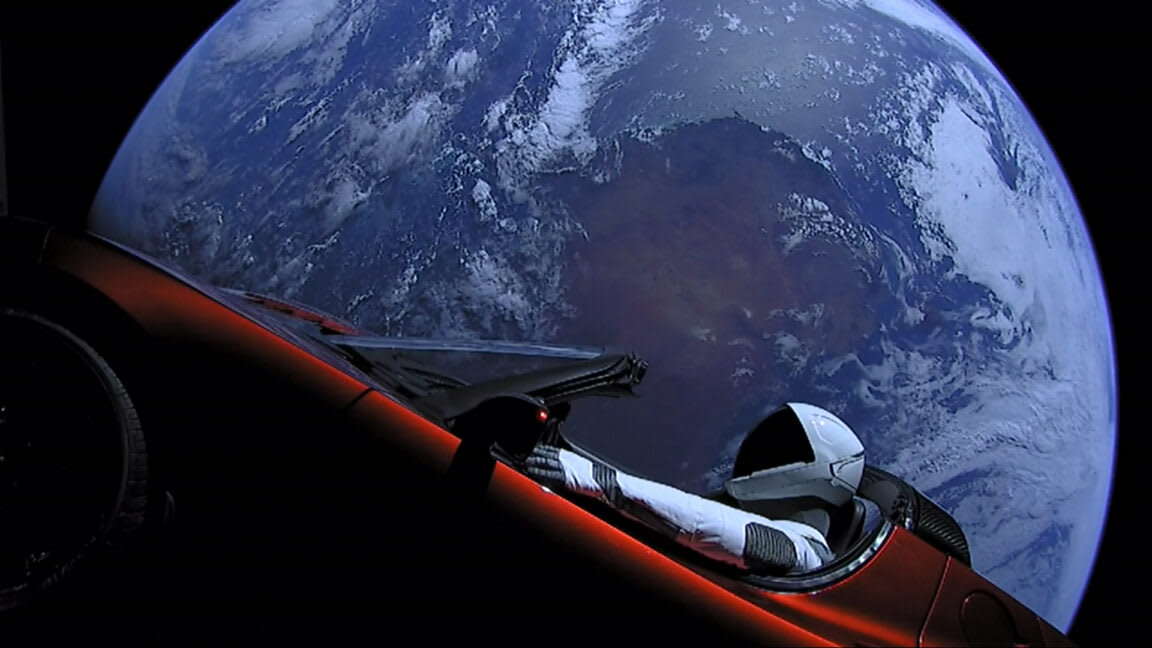
Elon Musk has expressed support for a potential merger between Tesla and SpaceX, noting that special committees have been formed at both companies to evaluate the prospect. While Musk views the consolidation as a positive move, he emphasizes that the decision ultimately rests with shareholders and the independent committees.
The Potential Consolidation of the Musk Empire
Elon Musk, the CEO of both Tesla and SpaceX, recently ignited significant market speculation by confirming that he views a merger between his two largest corporate entities as a "good idea." During SpaceX’s third-quarter earnings call, Musk addressed the possibility of combining these powerhouses, signaling a potential shift in the structure of his business empire. This revelation comes on the heels of a transformative period for SpaceX, which saw the acquisition of Musk’s artificial intelligence firm, xAI, in February and a record-breaking initial public offering in June.
The Role of Independent Governance
While Musk has publicly endorsed the merger, he has been careful to emphasize that the process is subject to rigorous corporate governance. Both Tesla and SpaceX have established special committees comprised of independent directors to evaluate the feasibility and terms of such a transaction. By utilizing these committees, the companies are attempting to mitigate potential conflicts of interest inherent in a deal where the CEO holds significant influence over both entities. Musk noted that no agreement has been reached yet, and there is no guarantee that these negotiations will result in a finalized merger.
Strategic Implications for Technology and Transport
Merging Tesla, a leader in electric vehicles and energy storage, with SpaceX, a pioneer in aerospace and satellite technology, would create an unprecedented conglomerate. The potential synergies between the two are vast, ranging from shared material science innovations to advanced battery technology that could benefit both automotive and aerospace applications. Such a move would effectively consolidate Musk's diverse technological assets under a single corporate umbrella, potentially streamlining R&D efforts and capital allocation.
Shareholder Influence and Market Reaction
Musk’s comments have already begun to ripple through the financial markets, with Tesla’s stock showing upward momentum following the news. However, the path to consolidation is complex. Musk explicitly stated that the ultimate decision rests with the shareholders of both companies. Since SpaceX recently went public, the pressure for transparency and shareholder value creation has intensified, making the role of the independent committees critical in ensuring that any potential deal is equitable for investors across both corporate structures.
Historical Context and Future Trends
This development follows a pattern of aggressive expansion for Musk, whose recent activities include the integration of xAI into the SpaceX ecosystem. If this merger proceeds, it would represent one of the most significant corporate restructuring events in modern history. Analysts are now closely watching the independent committees to see if they can navigate the regulatory and financial complexities required to merge two massive, capital-intensive organizations. The future of this potential merger remains speculative, but it underscores a broader trend of consolidation among high-tech firms looking to leverage cross-industry expertise.