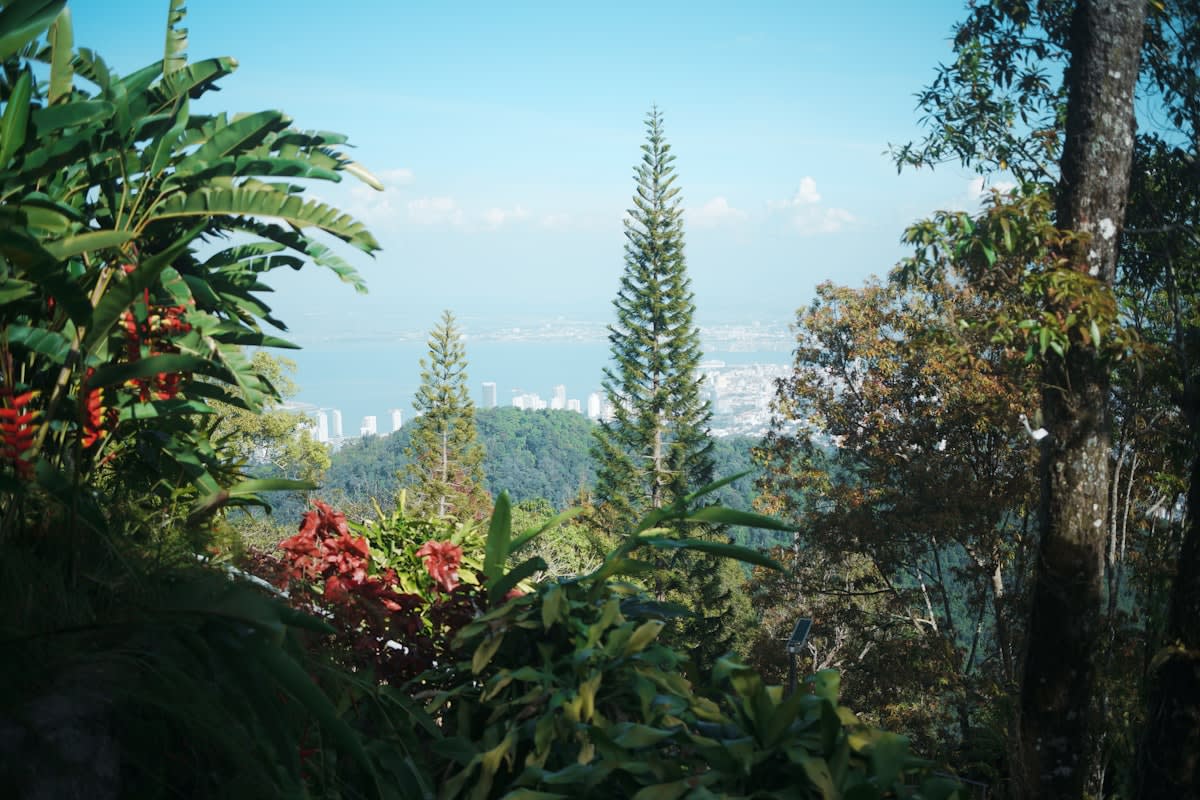
Industrial agriculture has spent a century perfecting the art of the monoculture. We have traded resilience for efficiency, replacing diverse landscapes with endless rows of a few high-yield varieties. But as the climate shifts, this efficiency is becoming a liability. Who is actually doing the work to ensure we have something to eat when the standardized seeds fail? The answer is not found in corporate laboratories, but in the ancestral knowledge of rural communities who view food systems as a tool for decolonization and survival.
In Hawaiʻi, the struggle is not just about calories; it is about reclaiming the land. Traditional farmers are currently working to restore territories that were systematically damaged by agrochemical corporations across the archipelago (Source: Wikipedia, 2026). They are not simply planting crops; they are revitalizing ancestral food forest systems that sustained their communities for millennia. This is a systemic rejection of the chemical-dependent model in favor of a biodiversity-led approach that treats the environment as a partner rather than a resource to be extracted.
The Technology of the Marginalized
We often mistake 'technology' for software or machinery. However, in northern Brazil, rural women are utilizing a different kind of technology. These women have long employed their own specialized methods to support food production and community well-being (Source: APC, 2026). Their expertise is not documented in academic journals, yet it represents a sophisticated understanding of soil health and seed preservation. By strengthening these roots of connectivity, they are maintaining a genetic library of crops that can withstand regional climate volatility.
"The kuojtakiloyan comes directly from the ancestral Nahua and Totonaku knowledge of their natural environment."— Wikipedia, documenting indigenous agroforestry practices (2026)
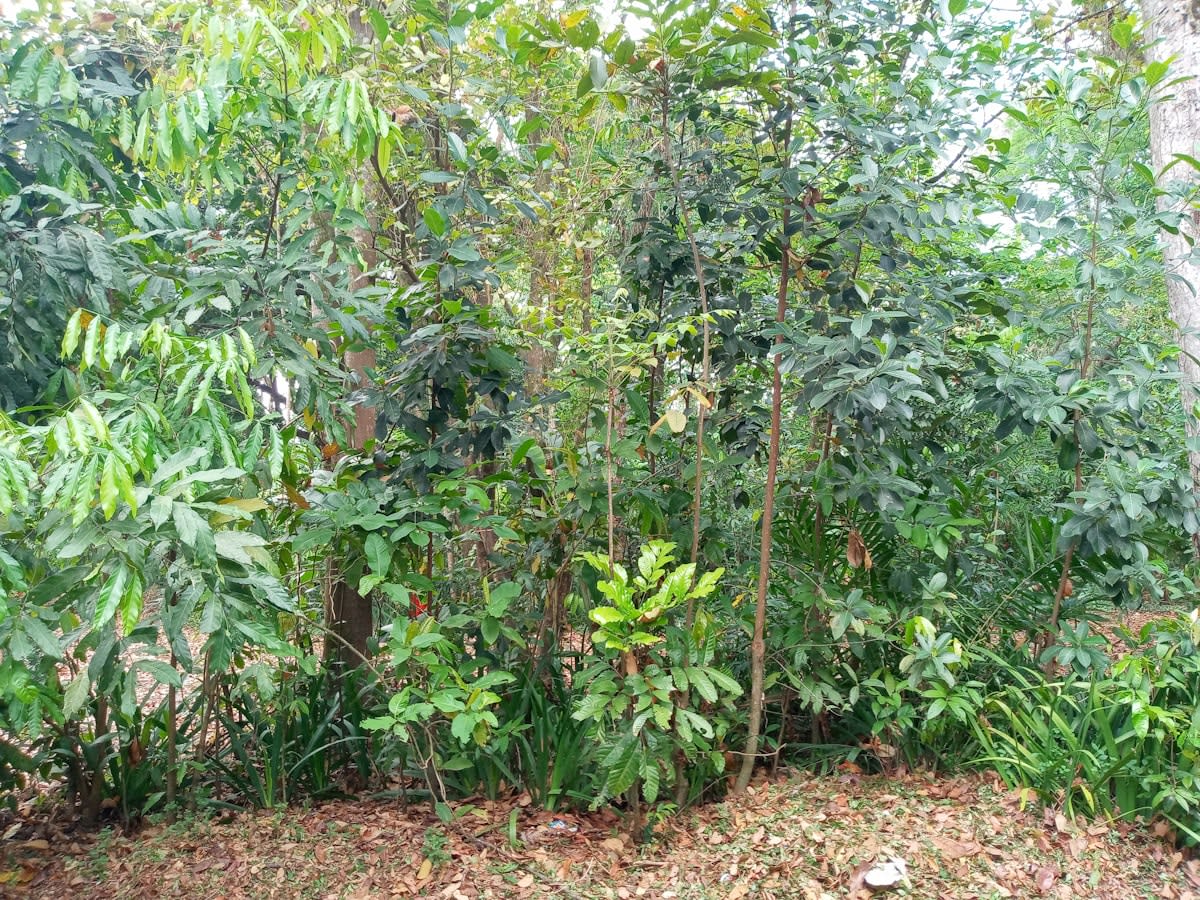
This Nahua and Totonaku knowledge, known as kuojtakiloyan, illustrates a critical shift in how we perceive land management. It is not merely about planting; it is a respectful transformation of the environment that balances nature conservation with human need (Source: Wikipedia, 2026). When we look at these systems, we see a blueprint for a warming planet: a model where biodiversity is the primary defense against crop failure.
Does the modern world have the stomach for this transition? The current global food chain is built on predictability and standardization. Ancestral systems, by contrast, embrace the messy, the varied, and the local. Transitioning to these models requires more than just different seeds; it requires a total overhaul of the economic incentives that currently reward the destruction of biodiversity in favor of short-term scale.
Resilient Botany: Beyond the Wheat and Corn
While the world obsesses over the viability of corn and soy, practitioners on the ground are looking toward geophytes and hardy perennials. Crops like Apios americana and Camassia quamash are being embraced for their inherent resilience (Source: Zone 6 Garden, 2026). These plants don't require the synthetic life-support systems of industrial farms; they are built for the challenges of their specific niches.
- Jackfruit: A high-calorie, low-maintenance tree that thrives in challenging climates (Source: Zone 6 Garden, 2026).
- Moringa: Known for its extreme nutritional density and ability to grow in poor soils (Source: Zone 6 Garden, 2026).
- Jamun: A resilient species that supports both local nutrition and ecosystem stability (Source: Zone 6 Garden, 2026).
- Geophytes: Underground storage organs that allow plants to survive extreme weather fluctuations (Source: Zone 6 Garden, 2026).
The integration of these species into the broader food system is not a regression to the past, but a strategic adaptation. By diversifying the types of calories we rely on, we reduce the systemic risk of a single pest or heatwave wiping out a primary food source. This is the core of the resilience argument: diversity is the only true insurance policy in an unpredictable climate.
| Feature | Industrial Monoculture | Ancestral Agroforestry |
|---|---|---|
| Primary Goal | Maximum yield per acre | Systemic resilience & biodiversity |
| Input Dependency | High (Agrochemicals) | Low (Natural cycles) |
| Genetic Base | Narrow (Standardized) | Broad (Ancestral/Local) |
| Environmental Impact | Land degradation (Source: Wikipedia, 2026) | Nature conservation (Source: Wikipedia, 2026) |
| Knowledge Source | Corporate R&D | Indigenous/Community knowledge (Source: APC, 2026) |
The friction in this field occurs where the 'expert' meets the 'practitioner.' In my years observing these shifts, I have seen the visceral tension between university agronomists and rural seed-savers. The agronomist wants a data sheet on caloric output; the seed-saver wants to talk about how a specific variety of bean survived a three-year drought in the 1970s. The professional debate is often a clash of values: is the goal to feed the most people today, or to ensure that people can still be fed a hundred years from now?
This friction is most evident when discussing seed patents. Industrial agriculture views seeds as intellectual property. For the rural women in Brazil or the farmers in Hawaiʻi, seeds are a common heritage and a tool for autonomy. This is not just a legal disagreement; it is a fight over who controls the basic building blocks of human survival.

Ultimately, the survival of these ancient grains and resilient plants depends on our ability to value knowledge that doesn't come with a patent. The shift toward agroforestry and indigenous technology is a movement toward a more decentralized, democratic food system. It is a transition from a fragile, top-down architecture to a robust, bottom-up network of survival.
Fact-Check & Accuracy Note
The claims regarding the restoration of lands in Hawaiʻi and the use of kuojtakiloyan knowledge are sourced from Wikipedia (2026). The role of rural women in Brazil is attributed to the APC (2026). Information on resilient species like moringa and jackfruit is derived from community observations via Zone 6 Garden (2026). The debate over decolonization in agriculture remains a central point of contention between indigenous practitioners and corporate agricultural entities.
Editorial Note
This analysis takes a contrarian view of industrial efficiency, arguing that the 'efficiency' of monoculture is actually a systemic fragility. The focus is on the redistribution of power from corporate entities to local knowledge holders.