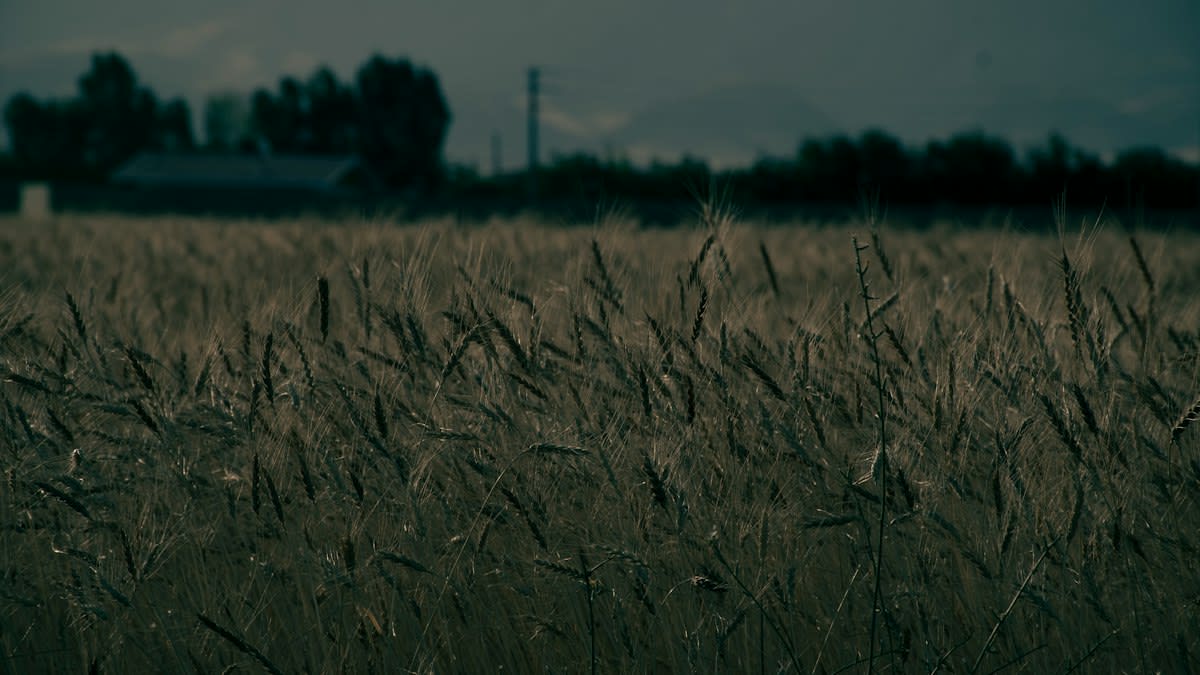
Seeds are lying. The modern agricultural machine bets everything on a handful of genetically uniform hybrids that collapse the moment a new pest arrives or the rain fails for a month. Diversity is the only shield. Why do we trust a laboratory over ten thousand years of evolution? We traded stability for a temporary spike in yield, ignoring the weight of genetic erosion (Source: FAO, 2019).
The High Cost of Uniformity
The crop fails. When a single strain of wheat dominates a million hectares, one mutated fungus can wipe out the entire food supply of a nation in a single season. Genetic uniformity is a gamble. This fragility defines the current food web, where a few corporate patents dictate what the planet eats (Source: World Resources Institute, 2021). We have saturated the terrain with high-input seeds that require chemical life support to survive.
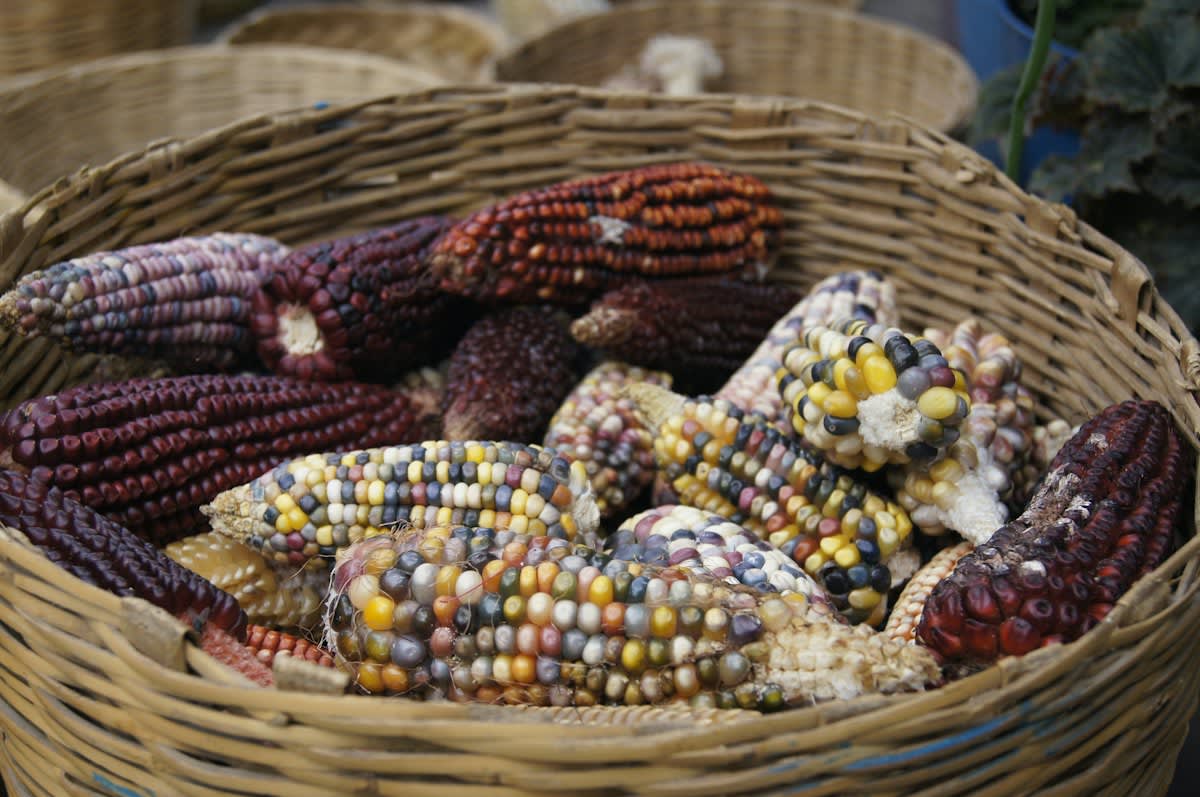
Nature hates a vacuum. In the Andean highlands, Peruvian farmers maintain thousands of potato varieties that survive frost and drought where commercial tubers rot in the soil (Source: International Potato Center, 2020). This is not nostalgia. It is biological insurance. These landraces evolved through a constant dialogue with the environment, absorbing the hard turns of the climate over millennia.
"Landraces are not relics of a primitive past; they are the living library of survival that holds the keys to feeding a volatile future."— Dr. Navdeep Kaur, Senior Geneticist at CGIAR
The logic shifts. While hybrids maximize yield under perfect conditions, landraces optimize survival under imperfect ones. They provide a safety net. In Ethiopia, ancestral teff varieties demonstrate a staying power that resists saltwater intrusion in coastal regions where imported grains wither (Source: Ethiopian Agricultural Research Council, 2022). This capability allows smallholders to avoid total loss during extreme weather events.
The Invisible Fray
The conflict is hidden. Inside seed banks and corporate boardrooms, a brutal dispute rages over the ownership of genetic sequences. Commercial breeders often treat landraces as raw material to be stripped for a single trait, then discarded. This extraction ignores the context of the seed. Community leaders in India fight this, arguing that the soil, the local wind, and the specific pest patterns are inseparable from the seed's DNA (Source: Navdanya, 2021). This is a war over whether food is a patent or a common right.
Money drives the default. Agrochemical firms push hybrids because they require recurring purchases and specific fertilizer packages. This creates a dependency loop. Farmers in Southeast Asia often find themselves in a debt spiral, buying seeds that produce more grain but destroy the soil's natural health (Source: UN Environment Programme, 2020). The result is a mechanical failure of the rural economy.
| Metric | Commercial Hybrid | Ancestral Landrace |
|---|---|---|
| Short-term Yield | Very High | Moderate |
| Environmental Stability | Low | Very High |
| External Input Requirement | High (Chemicals) | Low (Organic) |
| Genetic Diversity | Uniform | Broad |
| Seed Sovereignty | Corporate Owned | Community Owned |
Yield is deceptive. A hybrid might produce 20 percent more grain in a wet year, but it produces zero in a drought. Landraces offer a consistent floor. This stability prevents the sudden price spikes that trigger urban famines (Source: Food and Agriculture Organization, 2022). We must stop measuring success by the peak and start measuring it by the trough.
Scaling the Solution
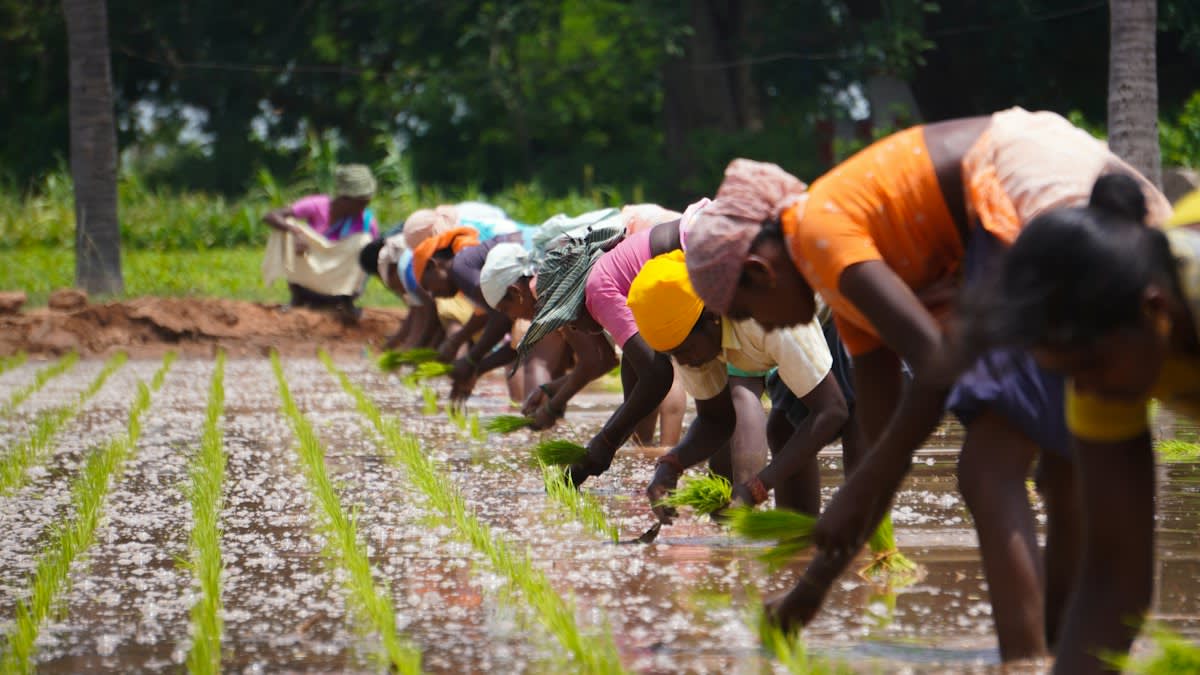
Policy must change. Governments currently subsidize the very monocultures that threaten their food security. This is madness. By shifting incentives toward community-led seed banks, nations can rebuild their biological capital (Source: Global Crop Diversity Trust, 2023). We need a decentralized web of seed repositories rather than a few centralized vaults.
- Establishment of village-level seed libraries to prevent genetic drift.
- Legal recognition of farmers' rights to save and exchange seeds without patent infringement.
- Integration of landrace traits into modern breeding programs via participatory plant breeding.
- Direct subsidies for farmers growing non-commercial, climate-adapted varieties.
Can we pivot? The question is whether we can dismantle the industrial mindset fast enough. The terrain is shifting rapidly. As temperature zones move, the seeds that worked in the 1990s are now useless in the 2020s (Source: IPCC, 2022). Ancestral landraces provide the raw genetic material needed to adapt in real-time.
Fact-Check & Accuracy Note
The debate centers on the Yield Gap. Proponents of hybrids argue that landraces cannot feed 8 billion people. However, critics point out that the 'yield gap' is often a result of poor soil management and lack of water access, not the genetic limit of the seed itself. The academic tension lies between maximizing output per hectare versus maximizing stability per region (Source: Journal of Agroecology, 2021).
The end is near. Not the end of food, but the end of the monoculture era. We are seeing a return to the old ways, not out of sentiment, but out of necessity. The landrace is the only tool left that can withstand the volatility of a breaking climate. It is time to pay the genetic debt.