How's He Called 'Youth Leader' At 56? Rahul Gandhi Shares His Formula: "Ridiculous Questions"
Source Entity
NDTV News Search Records Found 1000
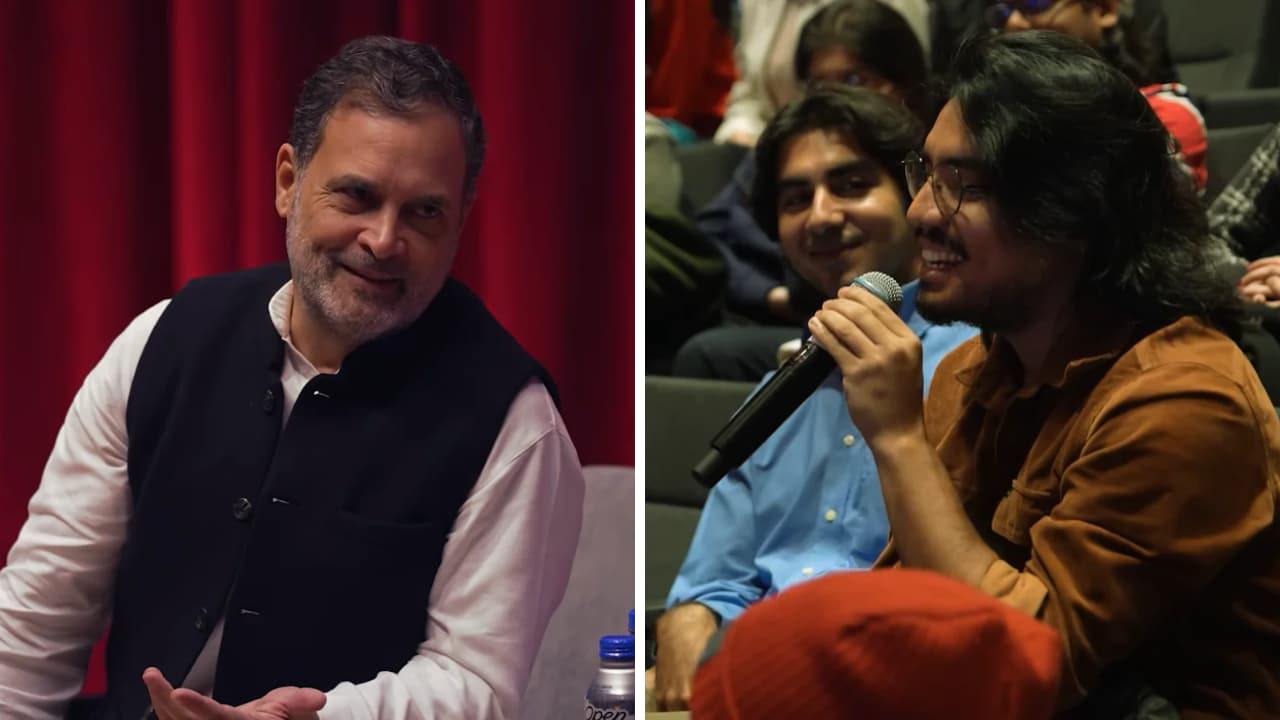
Rahul Gandhi, speaking at the University of Chicago, rejected calls for an opposition election boycott, arguing it would dismantle India's democratic framework. He emphasized a strategy of exposing systemic flaws while continuing to participate in the electoral process.
Rahul Gandhi Addresses the Future of Indian Democracy in Chicago
During a recent visit to the University of Chicago, Leader of the Opposition (LoP) Rahul Gandhi articulated a firm stance on the role of the political opposition within India’s democratic structure. Addressing students and faculty, Gandhi directly confronted the question of whether the opposition should boycott elections given their concerns over the integrity of the process. His response was categorical: boycotting elections would effectively signal the end of Indian democracy.
The Strategic Necessity of Participation
Gandhi’s rejection of an electoral boycott is rooted in his belief that the act of participating—even under perceived systemic disadvantages—is a fundamental pillar of democratic survival. By engaging in the electoral process, the opposition maintains the legitimacy of the institutional framework, even while actively highlighting the flaws they perceive within it. Gandhi noted that his strategy involves 'exposing' current systemic issues and enduring electoral losses until the public reaches a critical realization regarding the state of democratic institutions.
Concerns Over Institutional Integrity
Central to Gandhi’s critique were the concerns regarding the Election Commission and the broader administrative machinery governing Indian elections. By bringing these issues to an international academic forum, Gandhi is attempting to draw global attention to the structural challenges facing the world's largest democracy. He emphasized that describing the system as 'demolished' is a grave claim that he approaches with caution, requiring significant evidentiary backing before such labels are applied.
Economic and Social Challenges
Beyond electoral mechanics, the discussion encompassed the broader socio-economic landscape of India. Gandhi highlighted the pressing issues of high unemployment and systemic deficits in the education sector. These points are critical, as they form the substantive basis of the opposition's platform. By linking democratic health to economic performance, Gandhi is framing the current political struggle not just as a matter of procedure, but as a fight for the future prosperity and human capital development of the nation.
Long-Term Implications for Indian Politics
Looking ahead, Gandhi’s rhetoric suggests a long-term strategy of attrition. By signaling that the Congress party is willing to 'take the beating' at the polls, he is positioning his party as a resilient force that prioritizes the preservation of democratic norms over immediate electoral victory. This approach acknowledges the current political climate while aiming to shift public perception over a longer horizon. The international context of these remarks underscores the increasing tendency of Indian political leaders to utilize global platforms to debate domestic policy and democratic standards.
Conclusion
Rahul Gandhi’s address at the University of Chicago serves as a definitive statement on the opposition’s current trajectory. By ruling out a boycott, he has reaffirmed the necessity of the democratic process despite its perceived imperfections. As the political landscape in India continues to evolve, the effectiveness of his strategy—balancing vocal criticism of institutional decline with continued electoral participation—will remain a primary factor in the nation's ongoing political narrative.
Multiple Citing Sources
Verification Required?