Trump bought Nvidia, Palantir, SpaceX in September as federal deals, White House ties grew
Source Entity
US Top News and Analysis
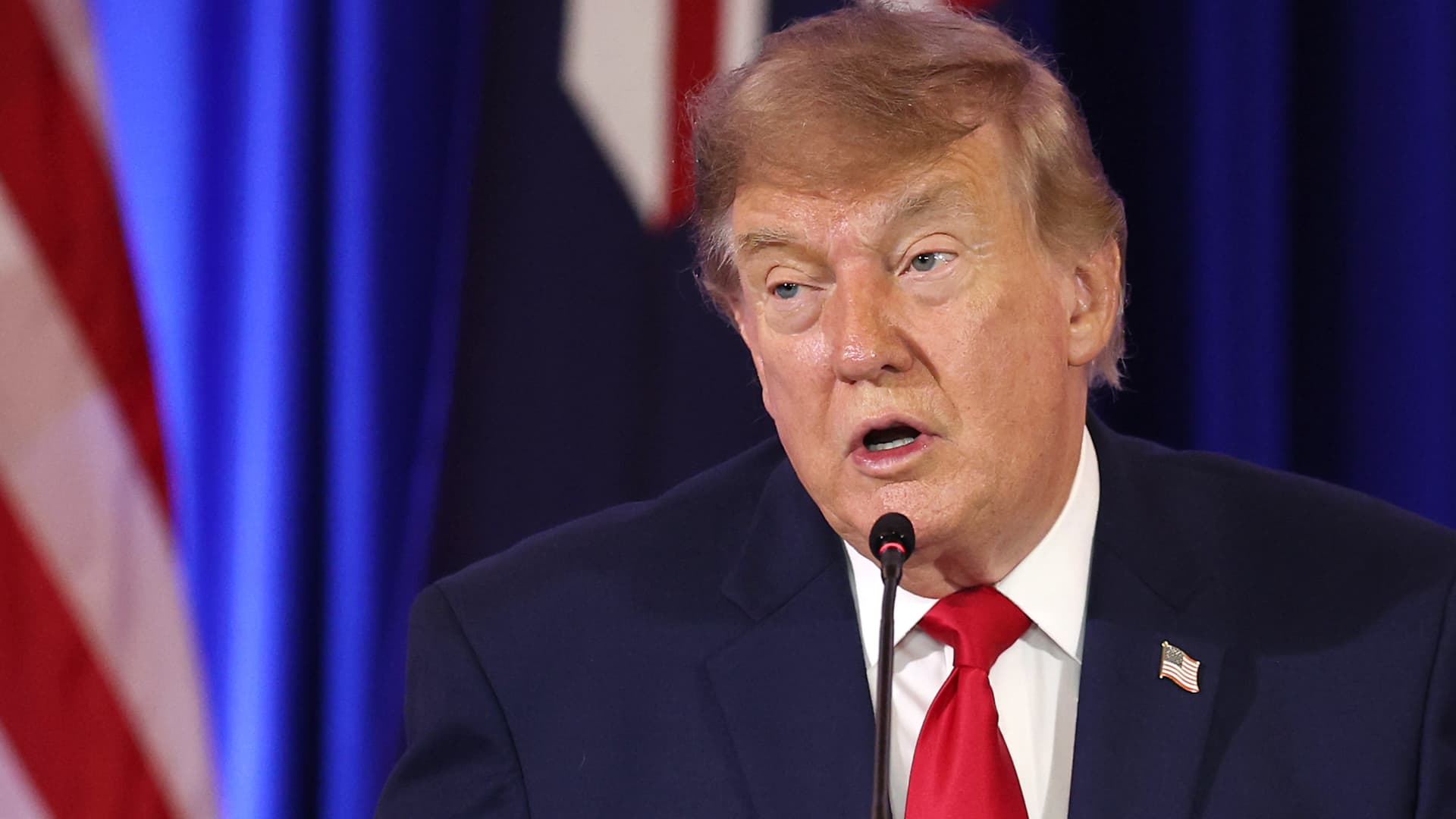
President Trump's latest financial disclosure reveals significant investments in Nvidia, Palantir, and SpaceX during September 2026. These transactions coincided with major federal contract awards and high-level meetings between the president and the companies' executives.
Financial Disclosures Reveal Strategic Tech Investments
A recently released 25-page financial disclosure has shed light on President Donald Trump’s investment activity during September 2026, revealing a portfolio shift toward major technology and defense-related entities. The documents indicate that Trump’s investment accounts executed approximately 751 transactions, with a total value ranging between $40.9 million and $148.1 million. Among the most notable acquisitions were stakes in Nvidia, Palantir, and debt instruments related to Elon Musk’s SpaceX, alongside significant holdings in Tesla.
The Intersection of Policy and Portfolio
The timing of these acquisitions has drawn scrutiny due to the concurrent nature of federal business dealings. During the period in which these stocks were purchased, the companies involved secured significant federal contracts. Furthermore, the disclosure highlights that these investment decisions occurred as executives from these firms held meetings with the President. This convergence of private wealth management and public administration underscores the complex relationship between the executive office and the domestic technology sector.
Analyzing the Scope of Transactions
According to a detailed analysis of the filing, the total volume of activity is substantial, with purchases accounting for at least $29.2 million and sales totaling at least $11.7 million. Because the filing utilizes broad dollar ranges to report these transactions, the precise valuation of the President's holdings remains opaque. This lack of granular detail is a common feature in such disclosures, yet it complicates the public's ability to assess the exact scale of exposure the President has to specific market sectors.
Broader Implications for Governance
The involvement of companies like Palantir and Nvidia, which are deeply integrated into the federal government's data, artificial intelligence, and defense infrastructure, raises questions regarding the optics of executive investment strategies. When federal contracts are awarded to corporations in which the President holds a financial interest, it creates a unique environment for political and ethical analysis. Historically, such disclosures are intended to provide transparency, yet they often serve as a catalyst for deeper investigation into potential conflicts of interest.
Contextualizing the Global Stage
These financial disclosures emerge against a backdrop of active international diplomacy. For instance, the President’s recent attendance at a multilateral meeting in Manila, Philippines, with delegations from Japan, India, and Australia, highlights the dual focus of his administration on both international geopolitical stability and domestic economic policy. As the administration navigates these complex global alliances, the intersection of the President's personal financial growth and federal industrial policy will likely remain a significant subject of public discourse.
Future Outlook and Regulatory Scrutiny
Looking forward, the trend of high-frequency trading within executive portfolios will likely face increased pressure for further transparency. As tech giants continue to play an outsized role in national security and federal procurement, the public and legislative bodies will likely demand more precise reporting standards. The ability of an administration to balance the promotion of American technological leadership with the rigorous ethical standards expected of the highest office will remain a defining challenge for the remainder of the term.