Removal proceedings against me infructuous after resignation: Justice Varma tells Lok Sabha Secretariat
Source Entity
India Latest News: Top National Headlines Today & Breaking News | The Hindu
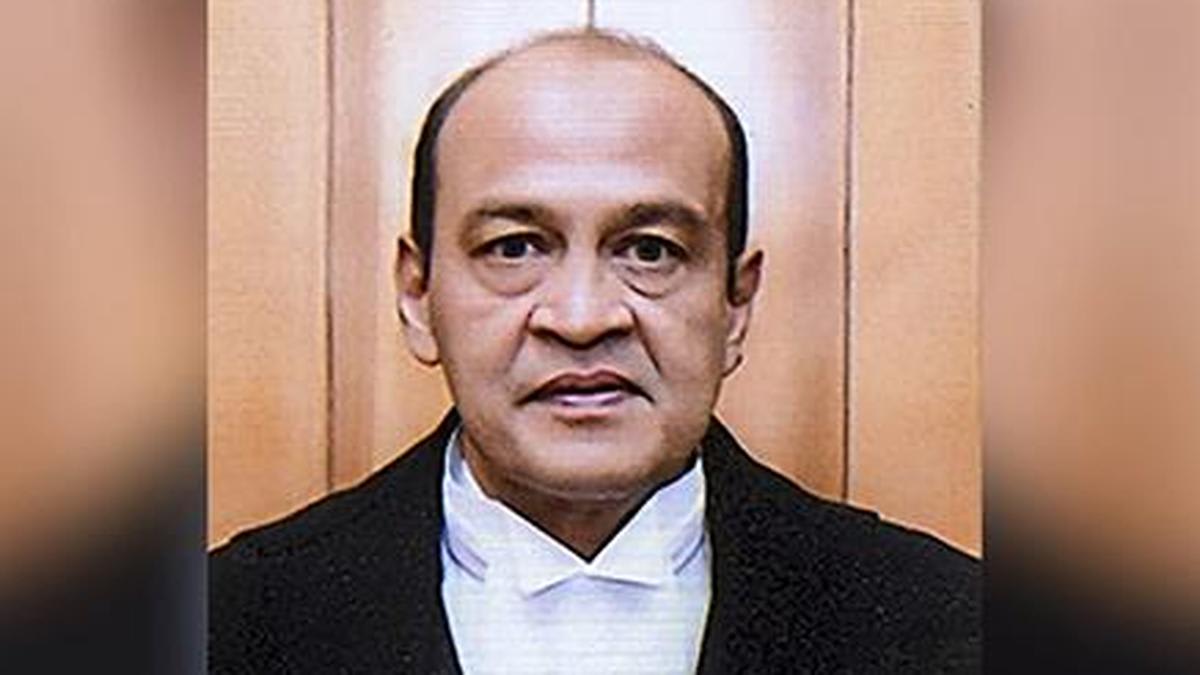
Justice Yashwant Varma has formally notified the Lok Sabha Secretariat that his resignation renders removal proceedings against him constitutionally moot. He maintains his innocence regarding the allegations of illicit funds and asserts that his departure is not an admission of wrongdoing.
Legal Stance on Judicial Removal Proceedings
Justice Yashwant Varma has officially challenged the legal standing of the ongoing removal proceedings against him, following his resignation as a high court judge on April 9. In a letter dated September 10, which was recently circulated among Members of Parliament, Justice Varma argued that the inquiry process, initiated by Lok Sabha Speaker Om Birla, has become 'infructuous.' His central contention is that because he no longer holds the office of a judge, the parliamentary mechanism for removal—which is designed to address the conduct of sitting judges—lacks a valid constitutional foundation to continue.
The Constitutional Argument
Justice Varma’s defense relies heavily on the interpretation of Article 217 of the Constitution and precedents dating back to 1978. By asserting that the removal process is tied strictly to the tenure of an active judge, he is highlighting a critical procedural boundary in Indian constitutional law. He suggests that once the subject of an inquiry vacates their office voluntarily, the primary objective of the removal proceedings—to strip a judge of their constitutional power—is rendered moot, thereby depriving the inquiry committee of its jurisdictional authority.
Addressing Allegations of Misconduct
Beyond the procedural arguments, Justice Varma has taken a firm stance regarding the nature of the allegations leveled against him. Specifically addressing reports concerning the discovery of burnt currency notes at his official residence, he has publicly declared his innocence. He emphasized in his correspondence to Lok Sabha Secretary General Utpal Kumar Singh that his decision to resign should not be interpreted by the legislature or the public as an admission of guilt or an acknowledgment of the findings presented by the inquiry committee.
Implications for Judicial Accountability
This case raises significant questions about the intersection of judicial ethics and parliamentary oversight. When a judge resigns in the shadow of an inquiry, the legal system faces a vacuum regarding whether the legislative body should complete its fact-finding mission for the sake of public record or terminate it immediately. Justice Varma’s insistence that the process is now without foundation reflects a broader debate on whether the dignity of the office is better served by the conclusion of a formal inquiry or by the cessation of proceedings upon the judge's exit.
Future Trends and Precedents
As this matter continues to be reviewed by the Lok Sabha Secretariat, the outcome may set a significant precedent for how future removal proceedings are handled in cases of resignation. If the inquiry is indeed dropped, it could establish a legal pathway for judges under scrutiny to avoid formal legislative findings by stepping down. Conversely, if the committee persists, it will signal a shift toward greater parliamentary insistence on establishing a definitive record of judicial conduct, regardless of the judge's employment status.
Conclusion
In summary, Justice Varma’s communication clarifies his position that the constitutional mechanism for removal has been superseded by his voluntary resignation. By firmly denying the allegations of financial impropriety and challenging the legitimacy of ongoing proceedings, he has reframed the narrative from one of potential guilt to one of procedural finality. The resolution of this matter will be closely watched by legal scholars and parliamentarians alike as they weigh the necessity of accountability against the strictures of constitutional law.
Verification Required?