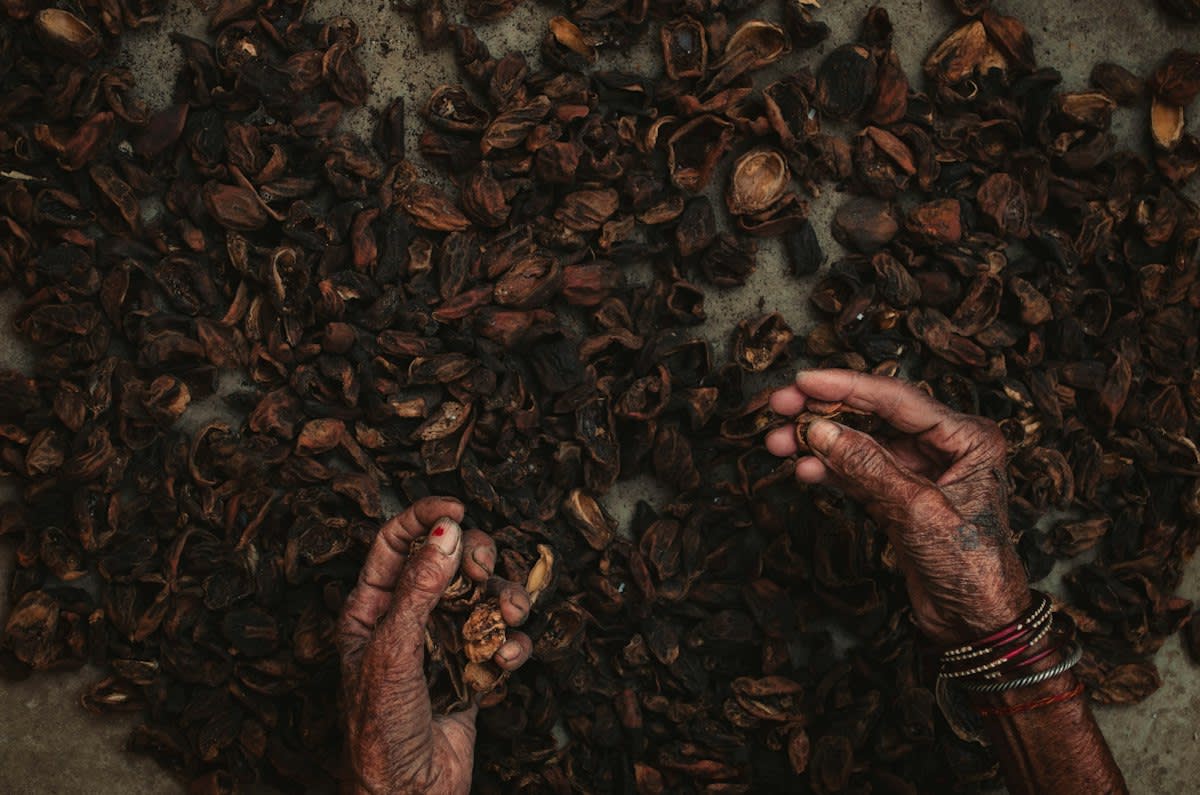
Grains are not food. When global capital identifies a scarcity in biodiversity or a trend in organic heritage, it transforms simple seeds into complex financial instruments traded in far-off boardrooms. The market loves scarcity. This is the game. While consumers view quinoa or teff as a nutritional upgrade, the financial elite view them as nature-positive assets capable of yielding high returns under new global incentive structures. Speculation drives the price.
The Ghost of the Gold Room
History repeats itself. In 1869, speculators Jay Gould and Jim Fisk argued that higher gold prices would benefit American farmers selling crops abroad, effectively linking the value of gold to the flow of Western grain moving east on railroads (Source: Quartz, 2026). This was a gamble. They built a case for gold based on the movement of agricultural commodities, proving that grain has always served as a proxy for deeper monetary bets. The Gold Room thrived. By treating the physical movement of grain as a signal for currency value, these men turned the dinner table into a trading floor. This is a legacy.
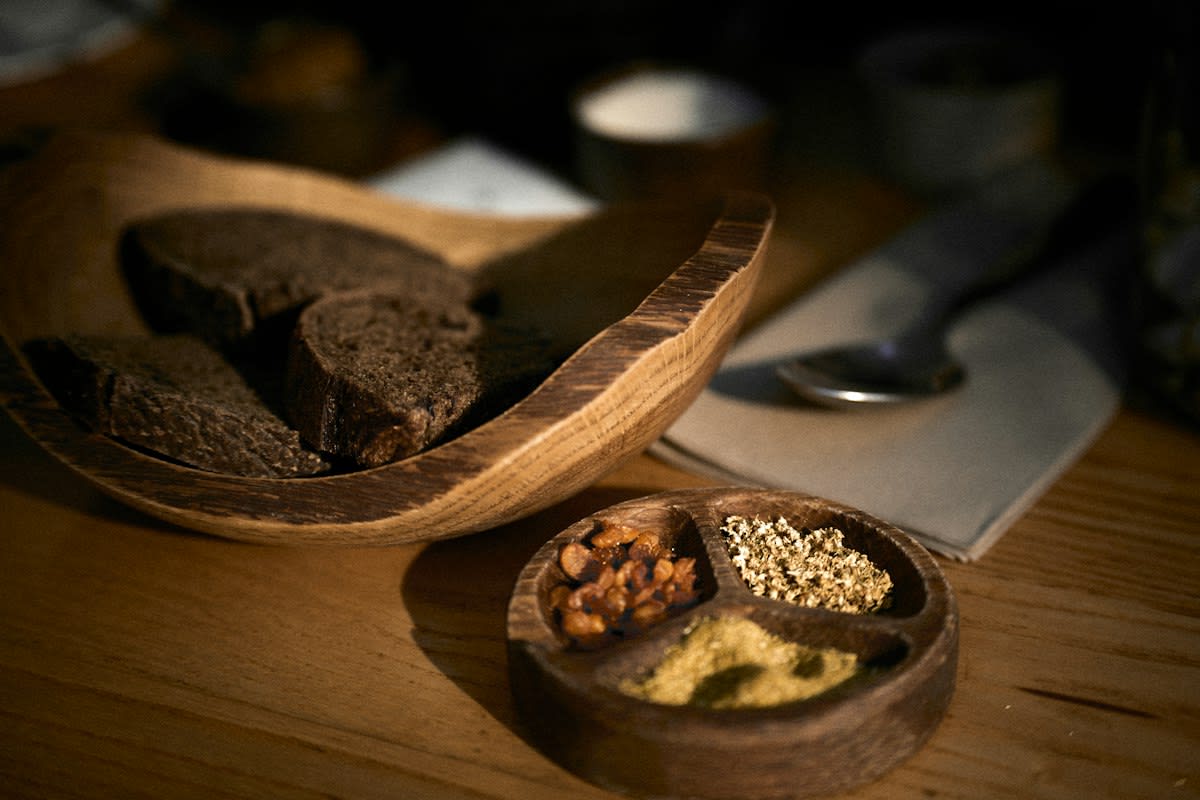
Patterns never die. The 2008 food crisis demonstrated how market mechanisms like speculation and global trade policies lead to massive fluctuations in food prices (Source: IXL Center, 2013). Biofuels accelerated this. The World Bank found that biofuel production and market speculation contributed to almost 75% of the increase in food prices during that era (Source: World Bank via IXL Center, 2013). Land vanished quickly. Corn and sugar cane, once staples for human consumption, were siphoned away to power cars and machinery. Hunger became a byproduct.
The New Biodiversity Wrapper
Enter nature-positive finance. Modern investment firms now look at biodiversity not as a conservation goal, but as a foundation for economic prosperity through innovative finance (Source: E.SUN, 2026). Money seeks targets. The Global Biodiversity Framework (GBF) Target 18 encourages governments to shift incentives away from harmful activities and toward sustainable use and conservation (Source: E.SUN, 2026). This creates markets. By rebranding ancient grains as tools for biodiversity conservation, the industry creates a new class of 'green' assets. The label adds value.
"The trillion-dollar opportunity... calling on governments to advance incentive reform under GBF Target 18, shifting incentives away from activities harmful to biodiversity and toward conservation, sustainable use, and more resilient economic activities."— Open letter joined by E.SUN FHC, 2026
Taiwan leads this. E.SUN FHC's Malavi Project illustrates how combining organic farming with Indigenous cultural heritage can bring community-based biodiversity practices to a global stage (Source: E.SUN, 2026). This looks altruistic. However, when these projects are featured in Local Biodiversity Outlooks, they become benchmarks for 'impact' that institutional investors use to justify capital allocation. The seeds are metrics. Investors aren't buying grain; they are buying the data of biodiversity recovery. This is the new terrain.
| Era | Speculative Driver | Primary Asset | Market Outcome |
|---|---|---|---|
| 1869 | Currency Arbitrage | Gold/Grain Flow | Black Friday Panic |
| 2008 | Energy Transition | Biofuel Crops | 75% Price Spike |
| 2026 | Biodiversity Credits | Ancient/Heritage Grains | Nature-Positive Assets |
Money moves fast. Does the farmer actually benefit from this financialization? In the Global South, the reality is often a struggle between local autonomy and the rigid requirements of ESG (Environmental, Social, and Governance) audits. The paperwork is endless. To qualify for biodiversity incentives, a small-scale farmer in Malawi must prove their organic practices meet a specific global standard that was written in a skyscraper in Taipei or New York. The gap is wide. This is where the real friction exists.
Insiders know the truth. I have watched the debates between biodiversity auditors and Indigenous elders over what constitutes 'cultural heritage' in a seed. The auditors want a spreadsheet. The elders have a story. When the spreadsheet doesn't match the story, the funding disappears. This invisible struggle defines the current market. It is a mechanical failure of empathy. The asset is the seed, but the value is the certification.
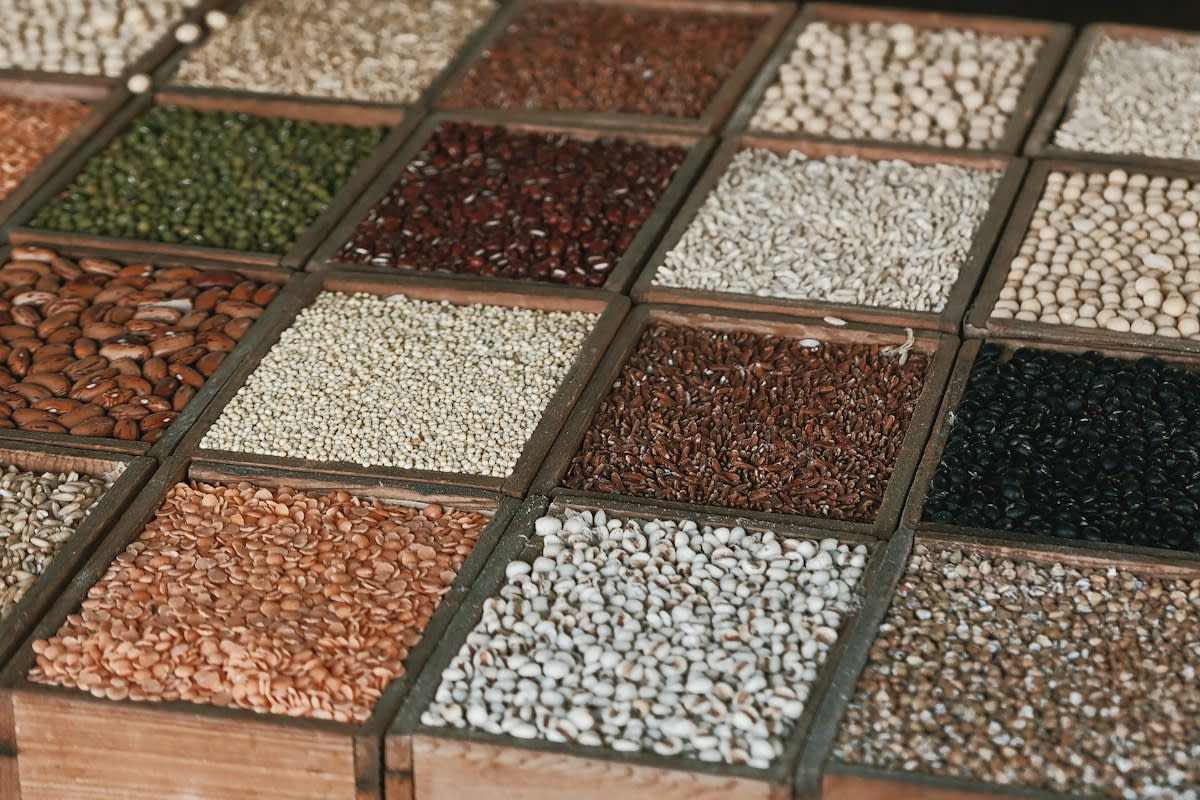
Speculation creates volatility. If ancient grains become a hedge against biodiversity loss, their prices will decouple from their caloric value. We saw this with ethanol (Source: IXL Center, 2013). When a crop becomes a financial tool, the person who needs to eat it can no longer afford it. This is a risk. The 'nature-positive' label may simply be the new wrapper for an old cycle of boom and bust. The grip of capital is tight.
Opportunity remains possible. If we decouple the incentive from the speculative asset, we can actually protect the seeds. The Biodiversity Heritage Library provides open access to biodiversity literature, offering a way to democratize knowledge (Source: CASRAI, 2026). Knowledge is a shield. By keeping the genetic history of grains in the public domain, we prevent the total enclosure of biodiversity by private equity. We must act now. Open data is the only way to stop the seeds from becoming mere tickers on a screen.
Fact-Check & Accuracy Note
The claim that 'nature-positive' investments automatically benefit local communities is a point of intense academic debate. While E.SUN (2026) highlights the success of the Malavi Project, critics argue that the shift toward GBF Target 18 may favor large-scale corporate land-grabs under the guise of conservation. Verifiable data on the actual income increase for small-scale farmers remains sparse compared to the reported AUM (Assets Under Management) of biodiversity funds.