NY bank loses foreclosure appeal after missing deadline and waiting six years
Source Entity
TOI WORLD DESK
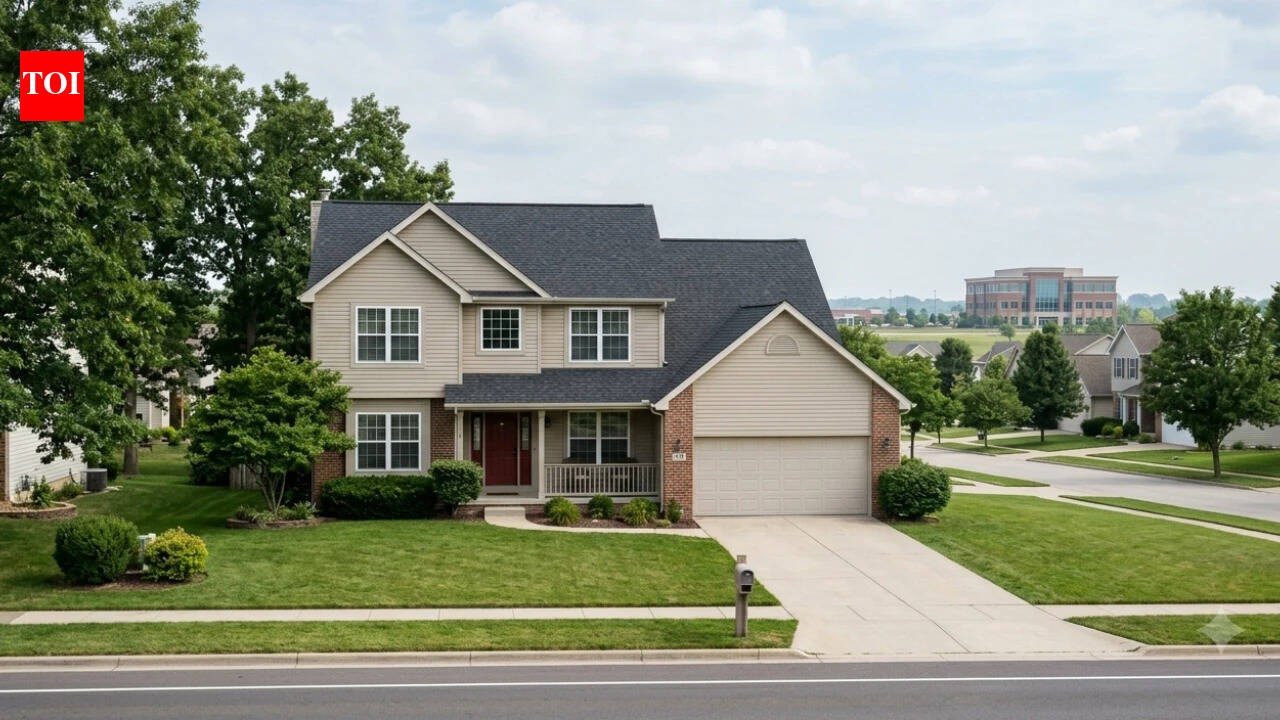
Deutsche Bank Trust Company Americas lost a foreclosure appeal against a New York couple after failing to meet court deadlines for over six years. The court dismissed the case due to the bank's unexplained delay in seeking a revival.
Judicial Finality and Corporate Negligence: The Deutsche Bank Case
The Failure of Procedural Compliance
In a recent legal development, Deutsche Bank Trust Company Americas has seen its attempt to revive a long-dormant foreclosure case against a New York couple decisively rejected by an appeals court. The core of this legal dispute stems from the bank’s failure to adhere to mandatory court deadlines back in 2017. By failing to act within the prescribed judicial timeline, the bank allowed the case to languish, eventually leading to a dismissal in 2019. This outcome serves as a stark reminder that even large financial institutions are not exempt from the procedural requirements that govern civil litigation.
The Burden of Unexplained Delay
Perhaps the most damaging aspect of the bank’s appeal was its inability to provide a coherent justification for the six-year hiatus between the initial dismissal and its attempt to reopen the litigation. In the New York court system, the principle of 'laches'—an unreasonable delay in asserting a claim—frequently serves as a barrier to those who fail to diligently pursue their rights. The appellate court’s decision to uphold the rejection underscores the judiciary's commitment to preventing perpetual litigation, which can cause significant emotional and financial distress to homeowners.
Broader Implications for Mortgage Servicing
This case highlights systemic issues often found within large-scale mortgage servicing operations. When financial institutions initiate foreclosure proceedings, they are required to maintain meticulous oversight of their files. The fact that a major entity like Deutsche Bank could allow a case to remain dormant for over half a decade suggests potential lapses in internal legal tracking and administrative accountability. For homeowners, this decision provides a critical layer of protection against stale claims that are revived long after a case has been dismissed.
Historical Context of Foreclosure Litigation
New York has a long history of stringent foreclosure laws designed to protect residents from aggressive banking tactics. Following the 2008 financial crisis, the state implemented various procedural hurdles to ensure that foreclosures were not processed automatically or without merit. The ruling in this case aligns with a broader judicial trend of favoring procedural integrity over the interests of lenders who show a lack of diligence in managing their own court filings.
Future Trends in Real Estate Law
Moving forward, this ruling may set a precedent for similar cases where lenders attempt to resurrect 'zombie' foreclosures. Courts are increasingly signaling that the statute of limitations and the rules of civil procedure are not merely suggestions but foundational elements of the legal process. As banks face higher scrutiny, we can expect to see increased pressure on legal departments to manage their dockets with greater precision, as the cost of clerical errors or administrative neglect can result in the permanent forfeiture of the right to foreclose.
Conclusion
Ultimately, the appellate court's decision provides a definitive resolution for the New York couple involved. By prioritizing the finality of the 2019 dismissal, the court has reinforced the necessity of timely action in judicial proceedings. This case stands as a significant case study on the importance of administrative rigor in the banking sector and the protective power of the judiciary against undue procedural delay.