
Vaults are cemeteries. While the International Potato Center in Lima maintains a vast collection of tubers at sub-zero temperatures to prevent total loss, this method separates the plant from the ecological pressures that force it to adapt to warming peaks. Evolution requires a struggle. It cannot happen in ice. When we freeze a seed, we create a snapshot of a moment in time, effectively halting the biological dialogue between the crop and the changing Andean terrain. This is a biological dead end.
The Illusion of the Safety Net
We trust ice. This trust stems from a Western obsession with control, where we believe that a digital or frozen backup is equivalent to a living, breathing ecosystem. Biology does not work that way. Cold air kills. The International Potato Center currently preserves over 4,000 varieties of potatoes (Source: CIP, 2022), yet these samples remain dormant while the actual climate they were bred for shifts beneath the farmers' feet. Stasis is a gamble.
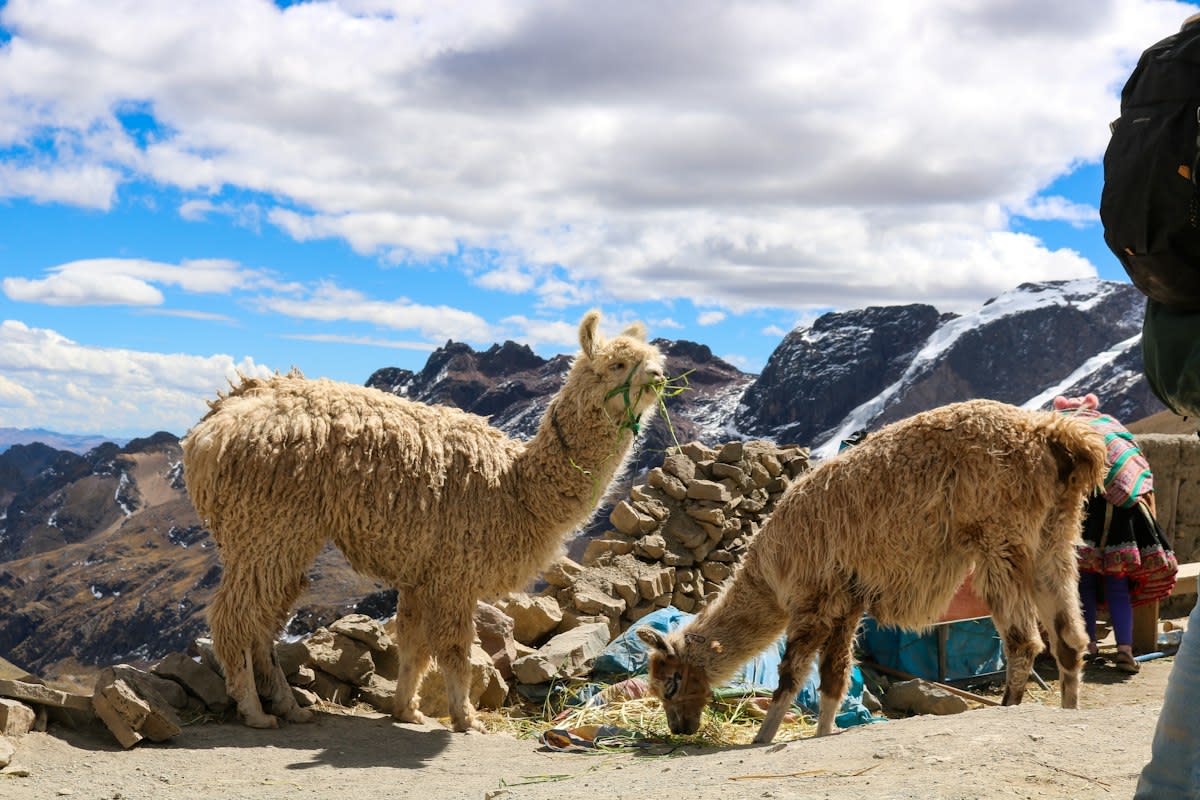
Control is a myth. By removing seeds from the wind and the soil, we remove the very triggers that cause a plant to develop resistance to new pests or erratic rainfall. Nature hates a vacuum. The weight of this mistake becomes clear when a stored variety is reintroduced to a field and fails instantly. It has forgotten how to fight. Forgetting is a death sentence for a species.
"The vault is a library of the past, but the field is the laboratory of the future. If we stop the dialogue between the seed and the soil, we are merely archiving a ghost."— Dr. Maria Delgado, Lead Curator at the International Potato Center
Global patterns repeat. In Ethiopia, the Ethiopian Biodiversity Institute faces the same conflict between high-tech storage and the reality of smallholder farming. Local knowledge is ignored. While curators in Addis Ababa prioritize purity, the farmers in the highlands prioritize the ability of a crop to survive a sudden frost or a locust swarm. Adaptation happens in dirt. It never happens in a vial.
The Invisible War of Purity
Purity is a trap. Only a practitioner knows the vitriol exchanged between the gene bank curators and the ethnobotanists who work with indigenous communities. Curators fear contamination. They view the cross-pollination that happens in a village garden as a corruption of the genetic line that must be avoided at all costs. This is a fundamental error. Contamination is actually the engine of variety. It is how the potato survives.
Ideologies often collide. The curator wants a sterile environment where a seed remains exactly as it was in 1950, while the farmer wants a seed that can survive the 2024 heatwave. This is a collision of values. One side values the record, and the other values the meal. The record cannot be eaten. The meal requires a living, mutating organism.
| Storage Method | Genetic State | Adaptation Rate | Primary Risk |
|---|---|---|---|
| Cryogenic Vault | Static | Zero | Mechanical failure/Power loss |
| Community Field | Dynamic | High | Pest outbreak/Crop failure |
| Hybrid Repository | Semi-Static | Low | Genetic drift |
Numbers tell stories. Storage temperatures are typically held at -18 degrees Celsius to ensure long-term viability (Source: FAO, 2021). This cold is absolute. It stops the clock, but it also stops the heart of the plant's ability to react to the world. The clock must tick. Without the ticking of the biological clock, the seed becomes a relic rather than a resource.
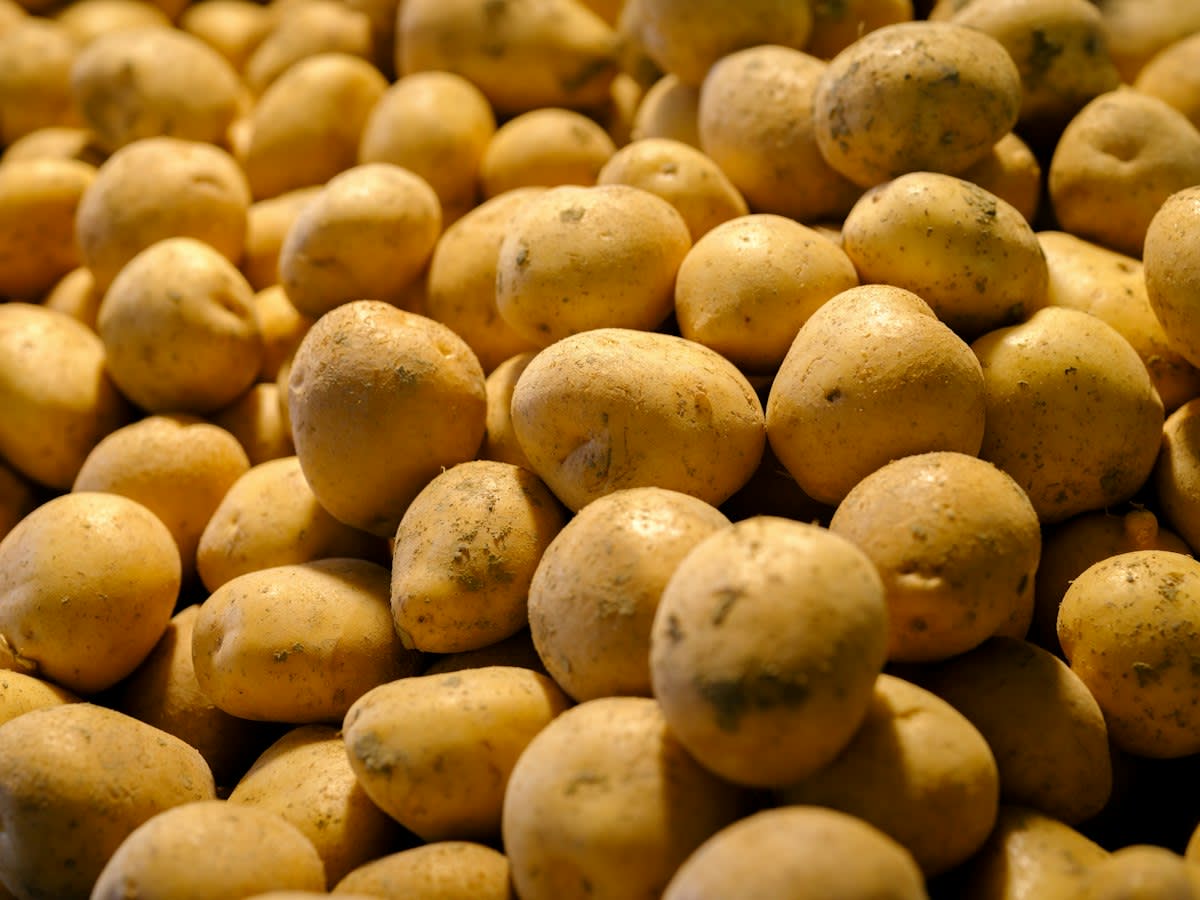
Diversity is shrinking. Some Andean regions have seen a 20 percent decline in the use of traditional landraces (Source: World Bank, 2020). We replace fields with vaults. This structural break in the chain of transmission means that the knowledge of how to grow these seeds is disappearing faster than the seeds themselves. Knowledge is the real vault. Without the farmer, the seed is just a bead of protein.
Asia offers lessons. At the International Rice Research Institute in the Philippines, the tension between ex situ and in situ conservation has forced a shift toward community-managed seed banks. Power is redistributed. Instead of a central authority holding the keys to the freezer, the seeds stay in the hands of those who know the rain. This is a smarter bet. It integrates the safety of storage with the vitality of the field.
Risk is miscalculated. We worry about a power outage in a vault, but we ignore the 15 percent increase in altitude-driven pests that can wipe out a non-adapting variety (Source: Andean Ag Study, 2019). Pests do not wait. They evolve every single season, while the vault seeds remain frozen in a world that no longer exists. The gap grows. Eventually, the stored seed becomes useless.
Fact-Check & Accuracy Note
The debate centers on 'Ex Situ' (off-site) versus 'In Situ' (on-site) conservation. While Ex Situ provides a backup against total extinction, In Situ allows for 'co-evolution' where the plant and its environment evolve together. Academic consensus is shifting toward a hybrid model, though funding still heavily favors the high-visibility 'vault' projects.
Security is a feeling. We feel safe knowing there is a freezer in the mountains, but this is a psychological comfort rather than a biological strategy. Comfort is not survival. The only true security is a seed that has survived ten generations of drought and still produces a crop. This is the gold standard. Everything else is just a collection of curiosities.
The end is near. If we continue to treat the Andes as a museum and the vaults as the only solution, we will wake up to a world of perfectly preserved seeds that cannot grow. The soil will reject them. We must return the seeds to the wind and the rain and the hands of the people who know their names. This is the only way. The ice must melt.