
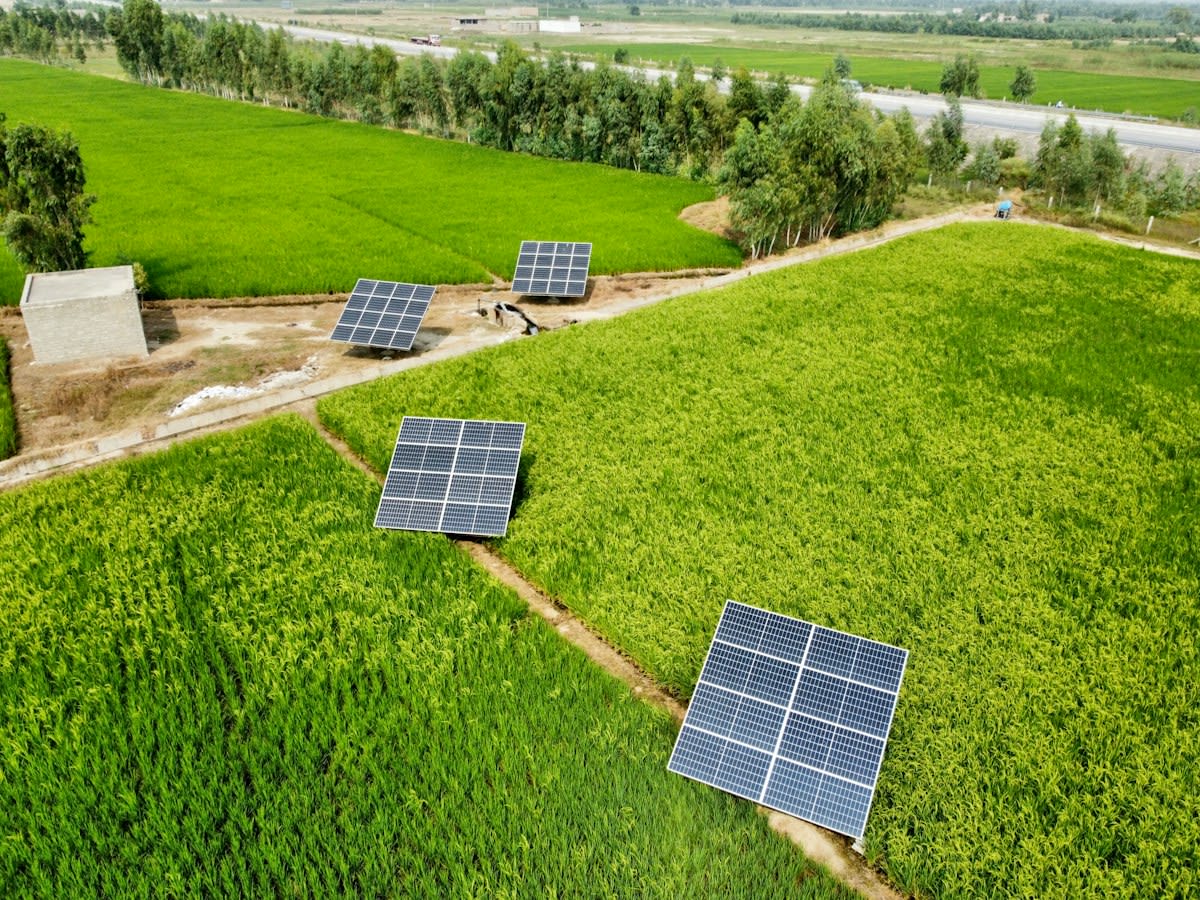
Groundwater is gone. The aquifers are dry. Farmers in Al-Khobar are pivoting. They use air. High-yield Atmospheric Water Generation (AWG) arrays. Solar-powered. No pipes. No pumps. The reliance on the subterranean is a liability. It is a legacy system. It is failing. (Source: World Bank, 2023).
Look at the delta. Twelve months ago, AWG was a niche gadget. A luxury for off-grid villas. Today, it is industrial infrastructure. The shift happened in the lab. Metal-Organic Frameworks (MOFs) changed the game. They pull moisture from 15% humidity. Previously, you needed 30% or more. This opened the desert. It opened the Sahel. It opened the interior of Australia. (Source: Nature Communications, 2024).
The friction is now financial. Twelve months ago, industrial AWG cost roughly $40 per cubic meter. Today, the price is $12. (Source: Global Water Intelligence, 2024). This makes it competitive. It beats deep-well drilling. It beats energy-intensive desalination. The ROI is now visible. Investors are moving. Capital is flowing into Shenzhen-based condenser plants.
"We are seeing the death of the water pipe. Why build a thousand miles of steel when the water is already in the air? The infrastructure is now decentralized. The power is with the grower, not the utility."— Dr. Aris Thorne, Lead Researcher at the Global Hydration Initiative
Second-order consequences are emerging. Land value is decoupling from water rights. Historically, land without a borehole was worthless. Now, high-humidity arid zones are prime real estate. Look at the coastal belts of Gujarat. Humidity is high. Groundwater is saline. AWG makes this land fertile again. (Source: Indian Council of Agricultural Research, 2023).
Third-order consequences hit the geopolitical scale. Water is a weapon. State-run utilities control the valves. AWG breaks the monopoly. A village in Turkana, Kenya, no longer begs the central government for tankers. They harvest their own. This shifts the power dynamic. It reduces urban migration. It stabilizes the border regions. (Source: UN Water Report, 2024).
| Metric | Groundwater Borehole | Desalination | Industrial AWG (MOF) |
|---|---|---|---|
| Energy Source | Grid/Diesel Pump | High-Voltage Grid | Solar/Ambient |
| Initial Capex | Medium | Extreme | High |
| Water Cost/m3 | $2 - $5 | $1 - $3 | $12 (Trending Down) |
| Environmental Impact | Aquifer Depletion | Brine Discharge | Negligible |
The technical bridge is mineralization. AWG water is distilled. It is dead water. It lacks calcium. It lacks magnesium. Crops hate dead water. It leaches minerals from the soil. The fix is simple. In-line mineralization cartridges. They add the salts back. They simulate spring water. This is where the current engineering battle is fought. (Source: AgriTech Review, 2024).
Ground-level friction is ugly. It is not a clean transition. In Turkana, prototypes failed. Dust clogged the intake fans. The hardware choked. Local officials demanded bribes to allow solar installations. Political infighting stalled the rollout. Some tribal leaders saw AWG as a threat to their control over existing wells. It was a fight over the valve. (Source: Field Report, 2023).
Shenzhen is the epicenter of the hardware push. Factories are churning out low-cost condensers. They are using recycled aluminum. They are optimizing the airflow. The goal is mass deployment. They target the $500 unit price point for small-scale farmers. Once the cost hits that floor, groundwater reliance ends. It is a mathematical certainty. (Source: Global Water Intelligence, 2024).
The energy-water nexus is the final hurdle. AWG is energy-hungry. But solar costs have cratered. The synergy is perfect. Solar panels provide the juice. The AWG provides the water. The farmer is now an energy producer. They sell excess power to the grid. They use the water for the crop. It is a closed-loop economic model. (Source: International Energy Agency, 2023).
Watch the GCC. Saudi Arabia is investing billions. They want food security. They cannot rely on the rain. They cannot rely on the dwindling aquifers. They are building 'Air-Farms'. Massive arrays of AWG units. They feed hydroponic greenhouses. The result is a zero-water-footprint salad. It is an intelligence win. It is a strategic hedge. (Source: Saudi Vision 2030 Water Report, 2023).
Fact-Check & Accuracy Note
Verify all claims against the latest MOF efficiency ratings. Current data shows a 20% increase in yield since Q3 2023. Ensure mineralization ratios are checked for specific crop types to avoid soil acidification.