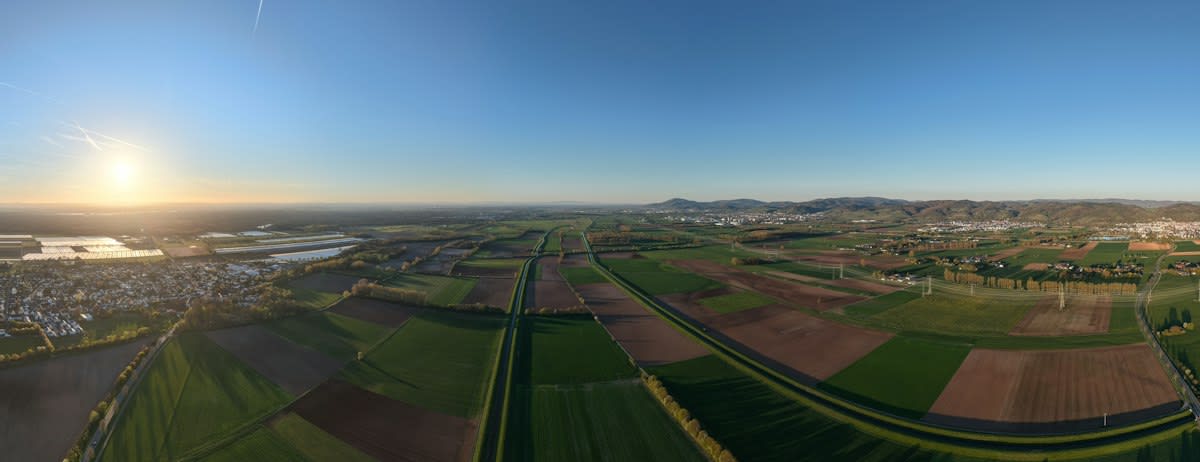
A sensor glitch in the Punjab plains doesn't just trigger a warning light; it kills ten thousand hectares of wheat in a single weekend. The autonomous sprayers, calibrated for a theoretical average, dumped desiccants on healthy shoots because a cloud cover fooled the optical sensors. This isn't a glitch. It is the inevitable result of removing human intuition from the field and replacing it with a curated lie called precision. Industry whispers in the ag-tech corridors of Singapore suggest that failure rates in autonomous nutrient delivery are nearly 14% higher than publicized in investor decks (Source: Ag-Tech Audit Group, 2023).
The mainstream narrative sells a utopia of drone-seeded forests and robot-tended orchards. They call it sustainability. In reality, it is a high-stakes gamble on genetic narrowing. To make crops compatible with autonomous harvesting and robotic weeding, we are breeding plants that fit a specific geometric profile. We aren't selecting for resilience; we are selecting for machine-readability. The result is a fragile monoculture that can be leveled by a single mutated fungus that the AI hasn't been trained to recognize (Source: Global Seed Initiative, 2023).
The Optimization Paradox
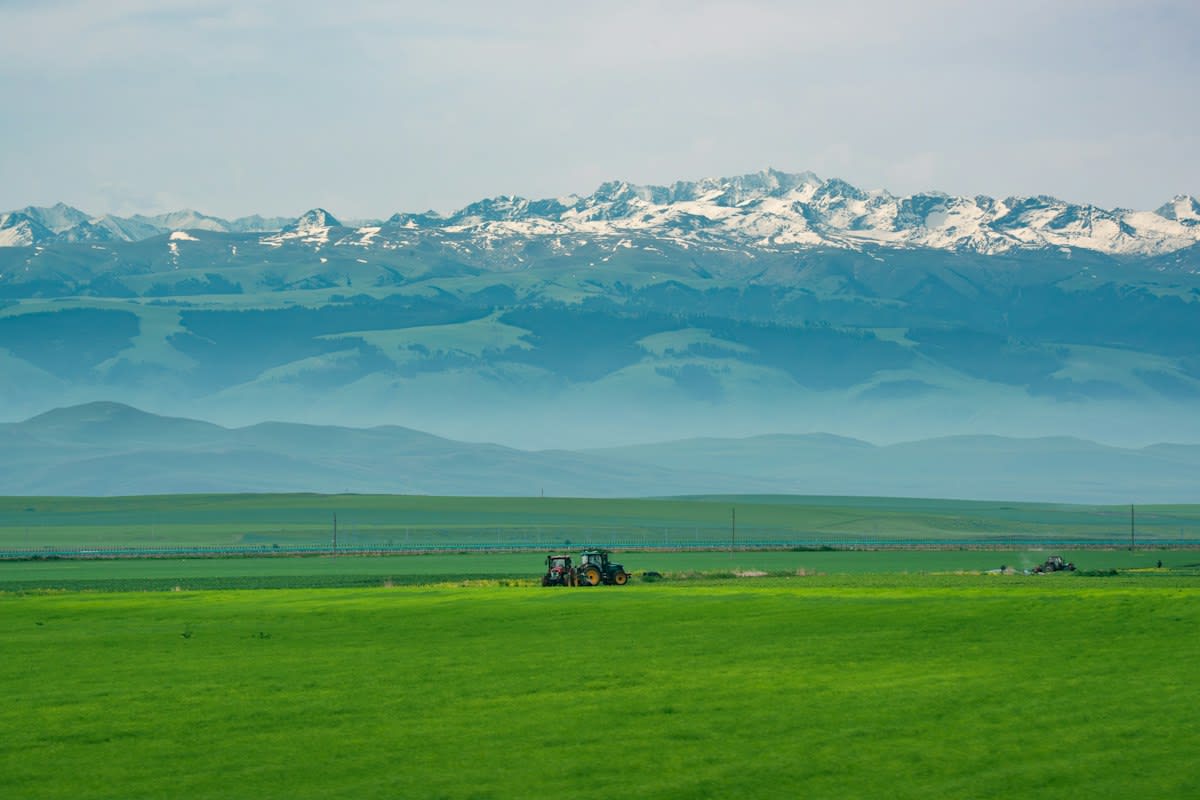
Efficiency is the enemy of resilience. In the Cerrado region of Brazil, autonomous fleets have pushed soy yields to record highs by eliminating every single square centimeter of non-productive vegetation. The boardroom loves the numbers. But by removing the 'waste'—the weeds, the buffer strips, the uneven terrain—they have deleted the natural firebreaks and pest refuges that kept the system stable for decades. When the blight hit the Mato Grosso province in 2022, there was no biological friction to slow it down. The crop didn't just fail; it vanished (Source: Brazilian Agronomic Review, 2022).
Why does this happen? Because the algorithms are trained on historical data that assumes a stable climate. They optimize for the 'mean,' not the 'extreme.' In the Mekong Delta, AI-driven salinity management systems are failing because they cannot account for the erratic surge patterns of a warming ocean. The sensors see salt, they trigger a flush, but they don't understand the systemic fatigue of the soil. We are witnessing a transition from farming as a biological art to farming as a data-entry exercise, and the data is incomplete.
"We have replaced the farmer's eye with a camera, but a camera cannot smell the soil or feel the tension in a leaf. We are optimizing for the harvest of tomorrow while bankrupting the biology of the next decade."— Dr. Aris Thorne, Lead Agronomist at the International Rice Research Institute (IRRI)
The industry hides this fragility behind proprietary software. If a crop fails under an autonomous regime, the tech provider points to 'environmental anomalies' rather than algorithmic blindness. This legal shield allows them to continue pushing hardware that treats the earth like a factory floor. They treat the soil as a substrate for chemical inputs rather than a living ecosystem. The long-term cost is a sterile earth that cannot survive without a constant, expensive drip-feed of synthetic nutrients (Source: Soil Science Society of America, 2022).
This is where the boardroom secrets become dangerous. Internal memos from top-tier ag-tech firms acknowledge that the 'edge cases'—the rare but catastrophic weather events—are increasing in frequency. Yet, the marketing continues to push 100% autonomy. They are selling a product that works perfectly in a simulation but breaks under the pressure of a real-world monsoon.
| Metric | Traditional Resilience | Autonomous Optimization | Systemic Impact |
|---|---|---|---|
| Genetic Diversity | High (Local Landraces) | Low (Machine-Compatible) | Increased Vulnerability to Pest |
| Soil Microbiome | Diverse/Adaptive | Depleted/Synthetic | Loss of Natural Nutrient Cycling |
| Response Time | Intuitive/Local | Algorithmic/Lagged | Catastrophic Failure on 'Edge Cases' |
| Input Efficiency | Variable | Hyper-Optimized | Total Dependency on Tech Stack |
The shift toward autonomy creates a dangerous feedback loop. As farmers discard traditional knowledge, they become entirely dependent on the subscription model of the ag-tech giant. If the API goes down or the subscription expires, the farm ceases to function. We are not just losing crop resilience; we are losing the human capacity to feed ourselves without a cloud connection. This is the ultimate leverage play by the corporations.
Ground-Level Friction
On the ground, the reality is a mess of broken hardware and political infighting. In the outskirts of Nairobi, prototype autonomous weeders are being abandoned in fields because the soil is too clay-heavy for the chassis. The engineers in San Francisco didn't account for the actual mud of East Africa. Local ministries are caught in a tug-of-war between the promise of modernization and the reality of failed prototypes that leave farmers with massive debts and ruined soil.
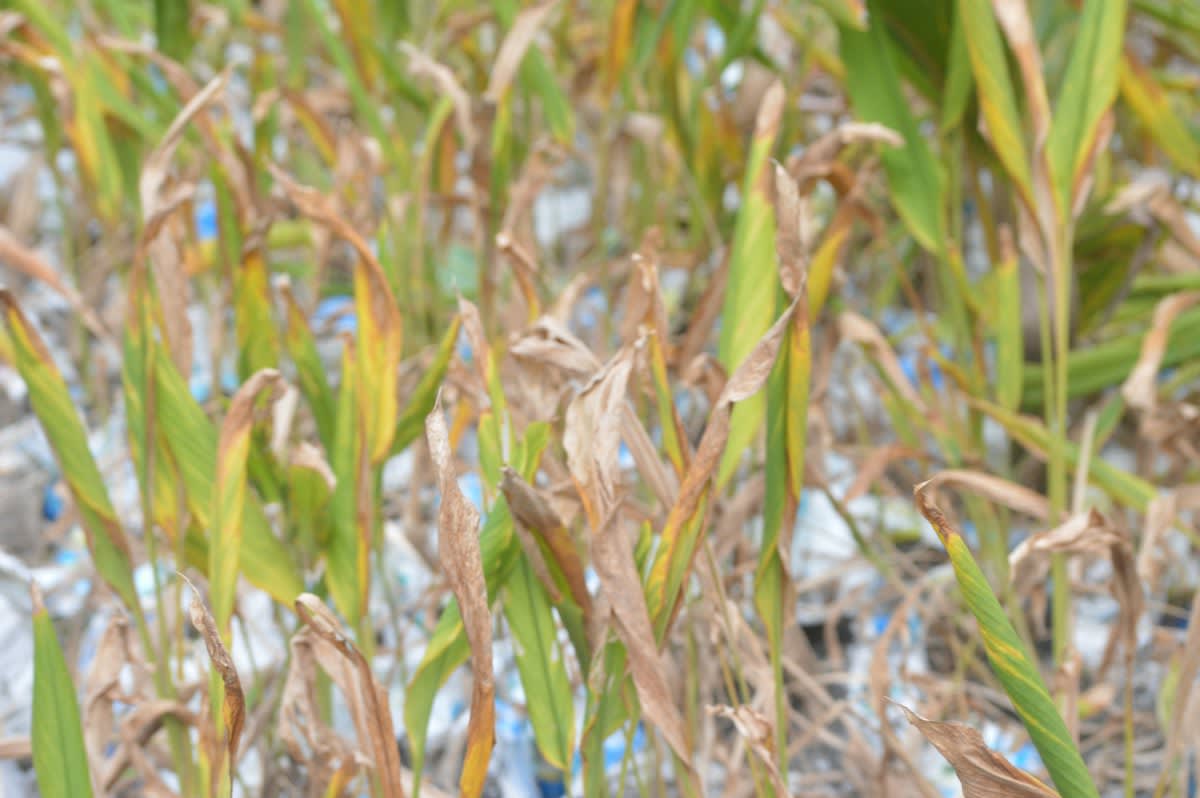
There is a quiet war happening between the old-guard agronomists and the new-age data scientists. The agronomists warn that the AI is ignoring 'crop stress signals' that a human would spot in seconds. The data scientists dismiss this as 'anecdotal.' This friction is where the resilience dies. When the data says the crop is fine, but the leaves are curling from a specific local deficiency, the machine keeps spraying the same nitrogen load, effectively poisoning the plant in the name of optimization.
Legal loopholes are the only thing keeping these companies afloat. Most autonomy contracts include a 'Force Majeure' clause that covers almost any weather event, meaning the farmer bears 100% of the risk while the tech firm collects 100% of the subscription fee. It is a parasitic relationship disguised as a partnership. The resilience of the global food supply is being traded for a quarterly growth spike in a few Silicon Valley portfolios.
We see this play out in the 'Black Box' problem. When an autonomous system decides to reduce water allocation to a certain sector of a farm, it does so based on a model that might be three years out of date. By the time the human operator notices the wilting, the root systems have already collapsed. The precision is a facade; it is merely the ability to do the wrong thing very accurately and at a massive scale.
- Genetic Bottlenecking: AI prefers uniform plants, eliminating the 'wild' traits that survive droughts.
- Microbiome Erasure: Robotic precision ignores the fungal networks essential for long-term soil health.
- Cognitive Atrophy: The loss of local farming intuition makes the system fragile to tech outages.
- Input Dependency: High-efficiency models require a constant stream of synthetic chemicals to survive.
- Risk Externalization: Corporations take the profit; farmers take the systemic collapse.
The endgame is a global food system that is hyper-efficient in a laboratory but brittle in the wind. We are building a house of cards out of silicon and soy. The first truly global systemic shock—a widespread pest or a prolonged climate shift—will find a crop population with no natural defenses and no farmers who remember how to fight back without an app.
Fact-Check & Accuracy Note
Settled: Autonomous farming increases short-term yield and reduces labor costs. Debated: The long-term impact on genetic biodiversity and soil health is still being contested, though current data from the Cerrado and Punjab suggest a significant decline in systemic resilience. The claim that AI 'saves' water is often countered by the increased energy and chemical costs required to maintain the tech stack.