AI can make tech CEOs’ lives easier. What about everyone else?
Source Entity
Anthony Ha
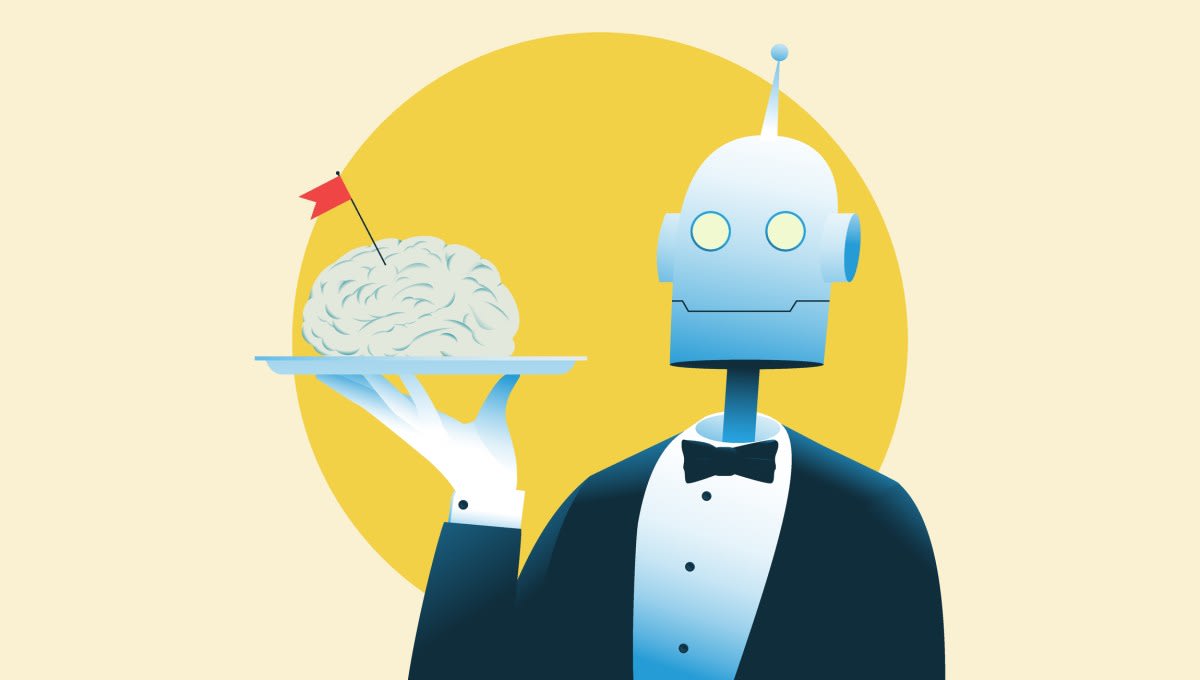
Tech CEOs are facing backlash for tone-deaf comments about using AI in personal parenting and social life. Critics argue this behavior signals a disconnect between Silicon Valley leadership and the average user's reality.
The Disconnect Between Silicon Valley and Mainstream Users
Recent statements from prominent tech leaders have sparked a significant debate regarding the cultural and social disconnect between the architects of artificial intelligence and the general public. As executives like Dazzle AI’s Marissa Mayer, OpenAI’s Sam Altman, and Meta’s Mark Zuckerberg promote the integration of AI into intimate aspects of life—such as parenting and social interaction—they have increasingly encountered public criticism. These remarks, often intended to showcase the utility of their platforms, are frequently perceived as tone-deaf, highlighting a growing friction between corporate messaging and the lived experiences of everyday users.
The Normalization of AI in Domestic Life
The pattern of commentary often centers on the 'optimization' of personal tasks. Marissa Mayer’s use of AI to generate descriptions for her daughter’s school assignments and Sam Altman’s advocacy for AI-generated podcasts for children represent a shift toward outsourcing human experiences to algorithms. When leaders suggest that parenting is incomplete or less efficient without tools like ChatGPT, they inadvertently alienate a demographic that views these technologies with a mix of skepticism and concern regarding privacy, child development, and the loss of authentic human connection.
The Vision of AI-Driven Socialization
Beyond domestic tasks, the scope of these executive visions has expanded to social and romantic spheres. Mark Zuckerberg’s assertion that meeting social and romantic needs through AI will become increasingly normalized represents a radical departure from traditional human interaction. While these executives view such advancements as evolutionary, the public reaction suggests that many users find the prospect of mediated social lives to be a dystopian outcome rather than a technological convenience. This gap in perspective is central to the growing 'out-of-touch' narrative surrounding big tech leadership.
Implications for Market Trust and Public Perception
This criticism is not merely a matter of public relations; it poses a strategic challenge for companies like Anthropic as they prepare for public offerings. If the leadership of these organizations is perceived as fundamentally detached from the values and needs of the 'normal' person, it may impact consumer adoption rates and regulatory scrutiny. When CEOs frame AI as a replacement for human judgment rather than a tool for augmentation, they risk fostering a public perception that their products are designed for the elite rather than for the betterment of society.
Future Trends and the Need for Relatability
As the industry matures, tech leaders will likely need to refine their communication strategies to bridge this divide. The current trend of 'AI-everything' advocacy is meeting resistance because it ignores the nuances of human connection that remain central to the average user's life. Moving forward, the success of AI companies will depend not just on the technical superiority of their models, but on their ability to articulate a vision that respects, rather than replaces, the human experience. Whether these firms can pivot toward a more grounded and empathetic narrative remains the defining question for the next phase of the AI boom.