Buttons are back and storage is king when it comes to car interiors
Source Entity
Jonathan M. Gitlin
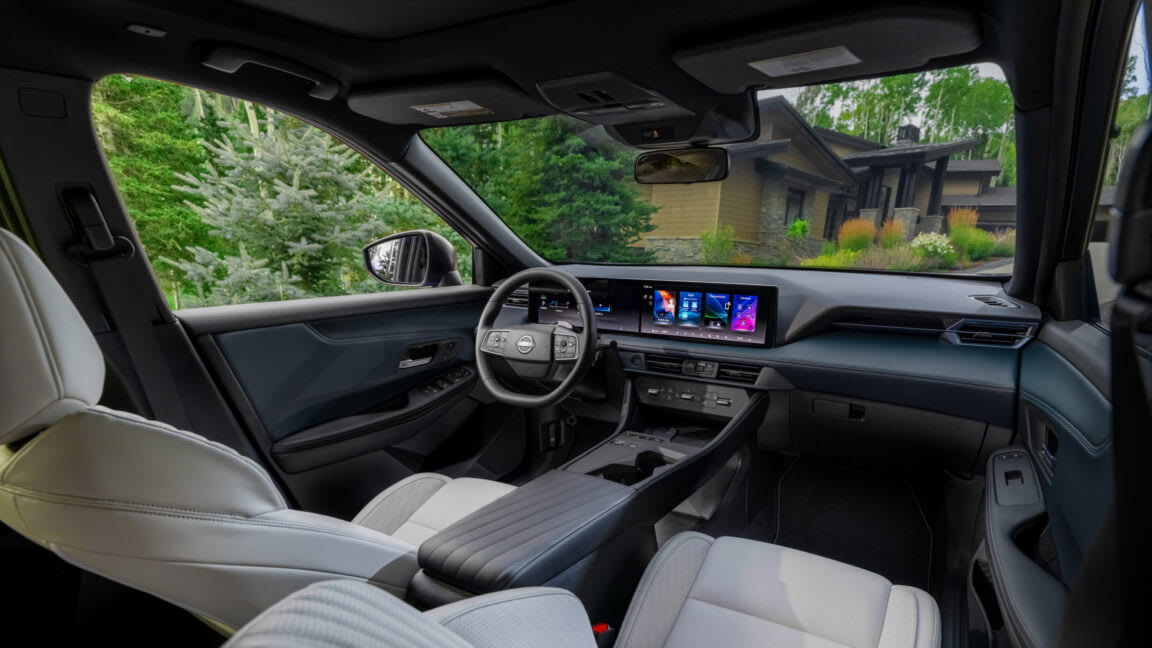
Automotive interior design is shifting back toward tactile physical buttons and improved storage solutions. Industry experts like Nissan's Hiren Patel suggest this change reflects a necessary correction to the over-reliance on distracting, software-heavy interfaces.
The Pendulum Swings: The Return of Tactile Controls
For the past decade, the automotive industry has been dominated by a minimalist aesthetic characterized by 'Piano Black' surfaces and the near-total elimination of physical switches. This trend, driven by a desire to integrate all vehicle functions into centralized touchscreens, was initially championed as a leap toward a futuristic, streamlined cabin experience. However, as Nissan designer Hiren Patel notes, this transition often ignored the fundamental realities of human-machine interaction, leading to interfaces that were not only counterintuitive but actively increased driver distraction.
The Failure of the 'Switchless' Philosophy
The push toward switchless interiors was largely motivated by cost-cutting measures. By moving controls into software, manufacturers saved significant capital on tooling, physical components, and assembly complexity. Yet, this efficiency came at a high cost to usability. By forcing drivers to navigate through multiple digital menus to perform basic tasks like adjusting climate settings or audio volume, engineers inadvertently created a more dangerous driving environment. The industry is now acknowledging that the 'software-first' approach was a case of design over function.
The Ergonomic Correction
As consumer feedback has become increasingly vocal, the industry is seeing a tangible pivot back to physical buttons. Tactile feedback is essential for drivers who need to adjust vehicle settings without diverting their eyes from the road. The return of knobs and switches represents a 'correction' phase in automotive fashion, proving that while digital integration is important, it cannot fully replace the ergonomic benefits of tactile controls. This resurgence of physical interfaces highlights a maturing understanding of how technology should serve the driver, rather than forcing the driver to adapt to the technology.
Prioritizing Practicality and Storage
Beyond the debate over interfaces, there is a renewed emphasis on practical storage solutions. As vehicle interiors evolve, the demand for functional, accessible space is reclaiming its place as a priority for designers. This shift suggests that the 'fashion' of automotive design is moving away from the sterile, showroom-ready look toward a more utilitarian approach that acknowledges how people actually live in and use their vehicles on a daily basis.
Future Trends in Automotive Design
Looking ahead, we can expect a hybrid future where digital displays and physical controls coexist. The lessons learned from the 'switchless' era suggest that future designs will prioritize high-quality, tactile feedback for frequently used functions while reserving software for deep-dive settings and entertainment. By balancing these needs, manufacturers like Nissan are aiming to create interiors that are both technologically sophisticated and intuitively safe for the modern driver.