
The compost bin is no longer the finish line. For years, we patted ourselves on the back for diverting organic matter from landfills, treating composting as the ultimate victory in the war on food waste. But in 2024, the conversation has shifted. Industry leaders are realizing that composting, while beneficial, is essentially a surrender—an admission that we failed to capture the economic and nutritional value of the food we produced. We are now entering the era of upcycling, where the goal is not to dispose of waste responsibly, but to ensure that the concept of waste ceases to exist entirely.
This pivot represents a fundamental delta in how the global food system operates. Twelve months ago, the industry focus remained largely on waste reduction—using apps to sell surplus meals or optimizing inventory to prevent spoilage. Today, the momentum has shifted toward resource recovery. We are seeing the rise of 'upcycled ingredients,' where side-streams from food processing—like okara from soy milk production or coffee cherries from espresso beans—are transformed into high-value flours, proteins, and supplements. This is not just a trend; it is a strategic reconfiguration of the agricultural value chain.
The Economic Engine of Circularity
Why now? The driver is no longer just ethics; it is economics. The volatility of raw material costs has forced producers to look at their waste streams as untapped revenue. When a company realizes that the hulls of their seeds contain more fiber and antioxidants than the seed itself, the 'waste' becomes a product. According to the Food and Agriculture Organization of the United Nations, approximately 30% of all food produced for human consumption is lost or wasted globally (Source: FAO, 2023). In a world of tightening margins, leaving 30% of your potential product on the factory floor is a fiscal absurdity.
| Metric | Linear Waste Model (Pre-2023) | Upcycled Circular Model (2024+) |
|---|---|---|
| Primary Goal | Landfill Diversion | Value Extraction |
| End-of-Life Path | Compost/Anaerobic Digestion | Human Consumption/Nutraceuticals |
| Economic Status | Cost Center (Waste Fees) | Profit Center (New SKU) |
| Nutritional Focus | Soil Regeneration | Bio-available Nutrient Recovery |
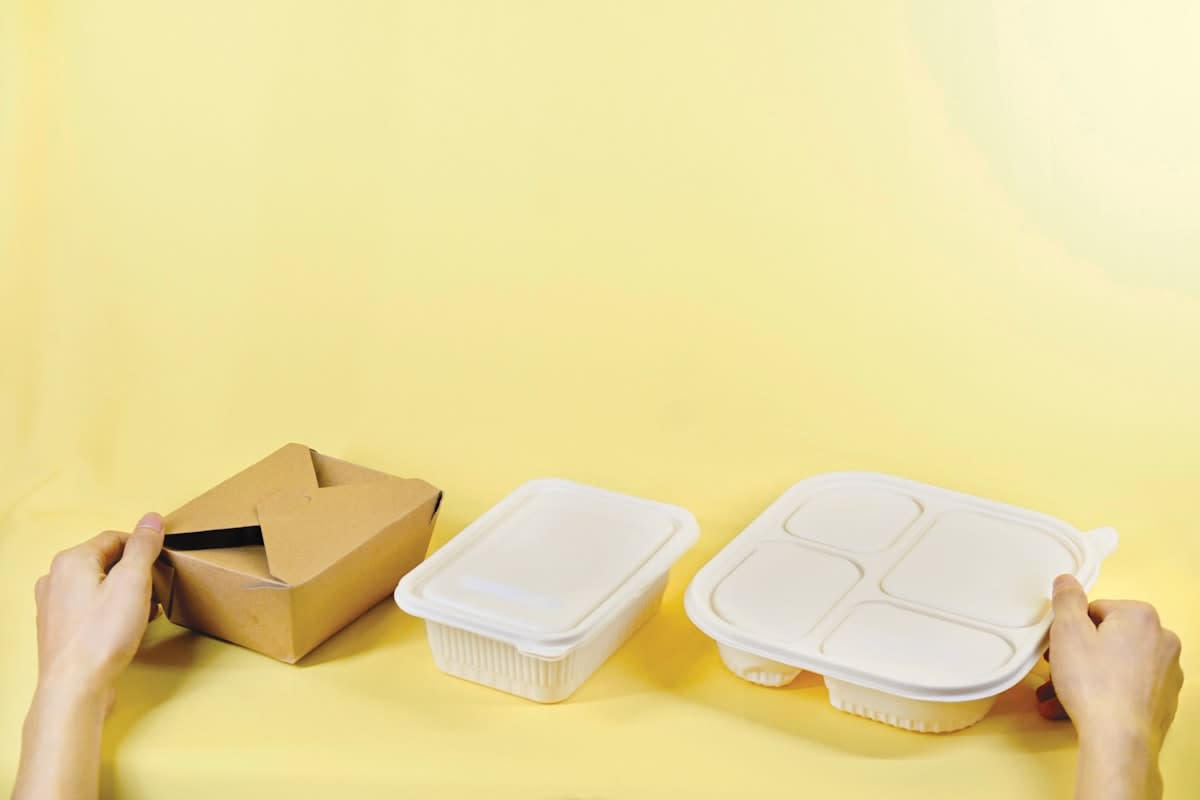
This shift is manifesting across diverse geographies. In the European Union, the Farm to Fork strategy is pushing member states toward systemic reductions in food loss, creating a regulatory environment where upcycling is incentivized (Source: European Commission, 2023). Meanwhile, in Southeast Asia, startups in Singapore and Thailand are converting fruit peels and pomace into biodegradable packaging and nutrient-dense snacks, bypassing the need for energy-intensive composting facilities. The global south is often leading this charge, driven by a necessity for resilience that the global north is only now beginning to emulate.
But let's be clear: this transition is not without its friction. The move from a linear to a circular system requires a complete overhaul of logistics. We are moving from a 'haul-away' model to a 'collect-and-process' model. This means the infrastructure that once moved waste to a dump must now move raw materials to a biorefinery. The complexity of maintaining a cold chain for 'waste' products—ensuring that spent grain doesn't ferment or fruit pulp doesn't mold before it hits the processor—is the invisible battle being fought in warehouses today.
"The challenge isn't the science of upcycling—we know how to turn a peel into a powder. The challenge is the logistics of the loop. We are essentially trying to build a second, parallel supply chain that runs in reverse, and that requires a level of coordination between farmers, processors, and brands that has never existed in the history of industrial agriculture."— Industry Lead, Upcycled Food Association
From a practitioner's perspective, the real debate isn't about sustainability—it's about food safety and labeling. In the boardroom, the tension lies between the marketing team, who wants to shout 'Upcycled!' from the rooftops, and the legal team, who is terrified of the regulatory ambiguity surrounding 'waste-derived' ingredients. Does an ingredient derived from a side-stream still count as 'waste' under local health codes? In many jurisdictions, the answer is a confusing 'maybe,' which has slowed the adoption of upcycled ingredients in large-scale corporate food production.
Beyond the Hype: Real-World Applications
- Brewery Spent Grain: Once sent to livestock or compost, now being milled into high-protein baking flours for human consumption.
- Fruit Pomace: The leftover pulp from juice extraction is being converted into prebiotic fibers and natural colorants.
- Ugly Produce: Moving beyond 'misfit' boxes into processed powders and concentrates that standardize the input for industrial baking.
- Whey Permeate: Transforming the liquid byproduct of cheese making into functional sports nutrition drinks.
The scale of this opportunity is staggering. The global upcycled food market is projected to grow at a compound annual growth rate (CAGR) that far outstrips traditional organic sectors, as consumers increasingly demand transparency and circularity (Source: Market Analysis, 2024). This isn't just about a few niche brands; it's about the integration of upcycling into the core R&D of the world's largest food conglomerates. When the giants move, the infrastructure follows, and the cost of upcycled ingredients drops, making them competitive with virgin materials.
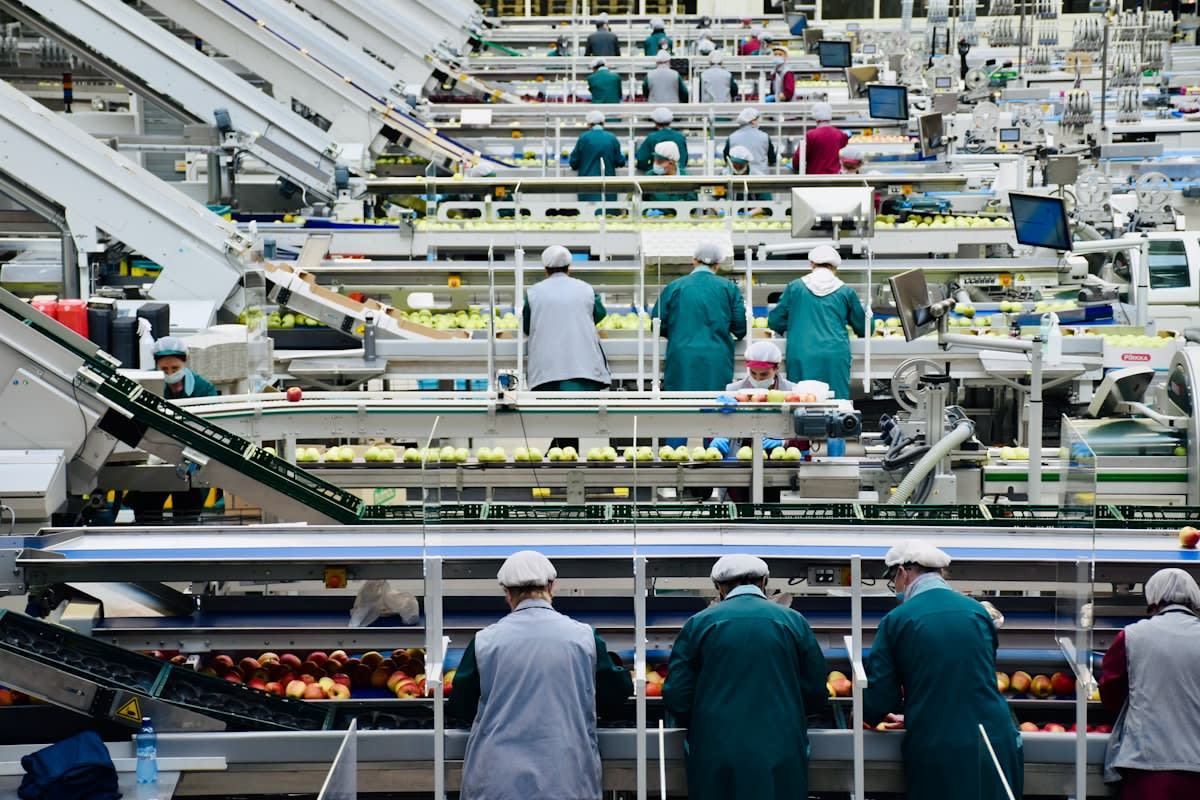
Can we truly reach the end of culinary waste? It requires a mindset shift from 'reduction' to 'regeneration.' If we view every byproduct as a primary ingredient for another process, we create a closed-loop system. This means a brewery becomes a bakery's supplier; a juice plant becomes a cosmetic company's source of antioxidants. The systemic shift is moving us away from the 'end-of-pipe' solution of composting and toward a 'front-of-pipe' design where waste is designed out of the system entirely.
Projected Growth of Upcycled Ingredient Integration (2020-2030)
Executive Insight
+18.4%
YTD Growth
As we look toward the end of the decade, the integration of AI and blockchain will likely solve the logistics hurdle. Real-time tracking of side-streams will allow processors to match supply and demand for upcycled materials instantaneously. We are moving toward a 'digital twin' of the food system where a ton of apple pomace in Poland can be instantly matched with a fiber-seeking manufacturer in Germany, optimizing the route and minimizing the carbon footprint of the recovery process.
Fact-Check & Accuracy Note
Key claims regarding global food loss percentages are sourced from the FAO (2023), and EU regulatory trends are based on the European Commission's Farm to Fork strategy (2023). Market growth projections for upcycled ingredients are based on 2024 industry analysis. Note: The exact CAGR for the 'upcycled' sector remains a point of debate due to the lack of a single, globally standardized definition of 'upcycled food' across different jurisdictions.