
Cows are obsolete. While the world clings to the romanticized image of grazing herds, precision fermentation allows us to program yeast to secrete beta-lactoglobulin without a single udder involved. The lab finally wins. Biology is now software. By inserting the genetic sequence of a bovine protein into a microorganism, we turn a steel tank into a protein factory that ignores the seasons. This changes the food chain.
Prerequisites for the Transition
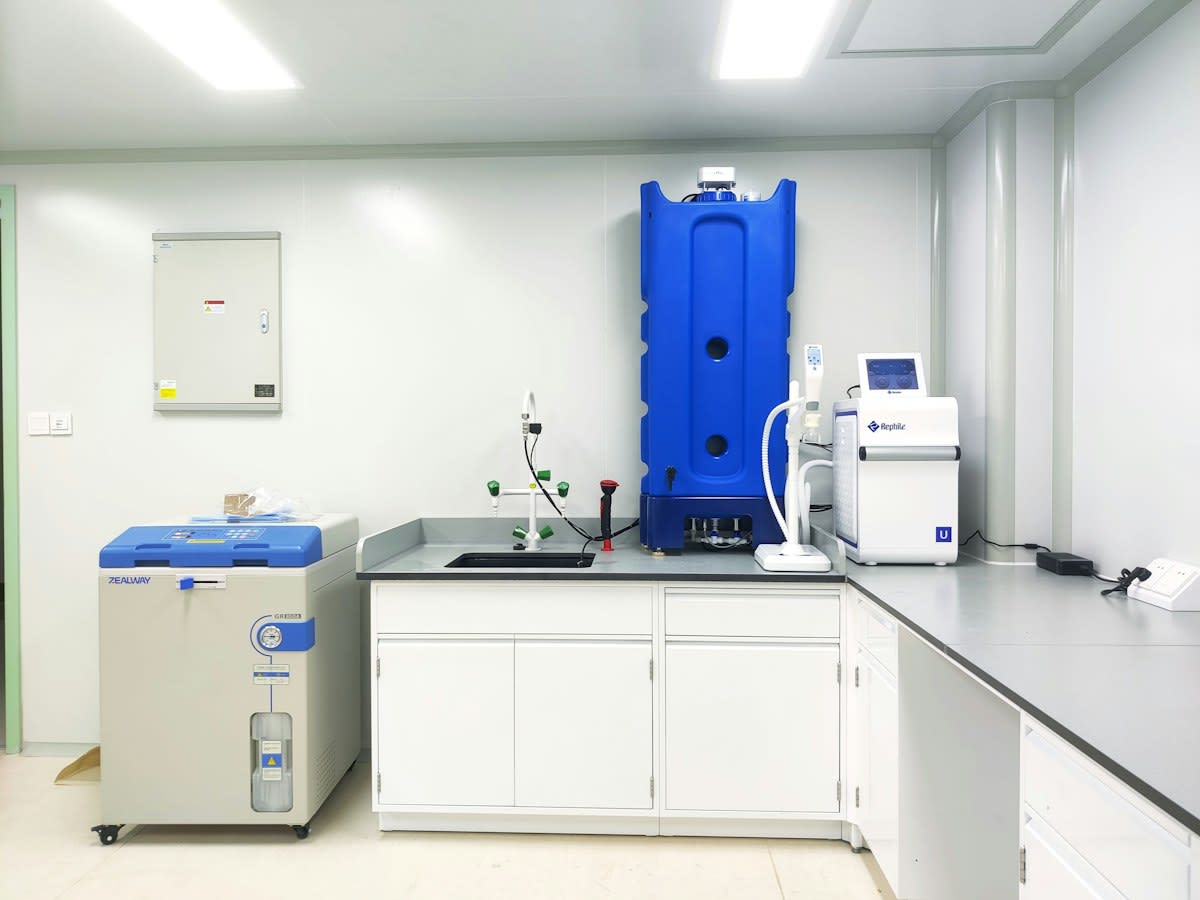
Steel is the start. You cannot enter this fray without industrial-grade stainless steel bioreactors that can maintain precise temperature and pH levels over weeks of continuous growth. Hardware defines the output. Genetic stability is key. You need a high-yield strain of Pichia pastoris or Saccharomyces cerevisiae that does not mutate under the weight of high-density fermentation. The biology must hold. Carbon sources are critical. Whether you use glucose or methanol, the purity of your feedstock determines if your final protein tastes like cream or chemical waste. Feed the yeast correctly.
- High-titer microbial strains (Pichia pastoris or similar)
- Industrial bioreactors with automated dissolved oxygen (DO) control
- Downstream processing (DSP) equipment for centrifugal separation
- HPLC (High-Performance Liquid Chromatography) for purity verification
- Regulatory clearance from the FDA (USA) or SFA (Singapore)
The Implementation Playbook
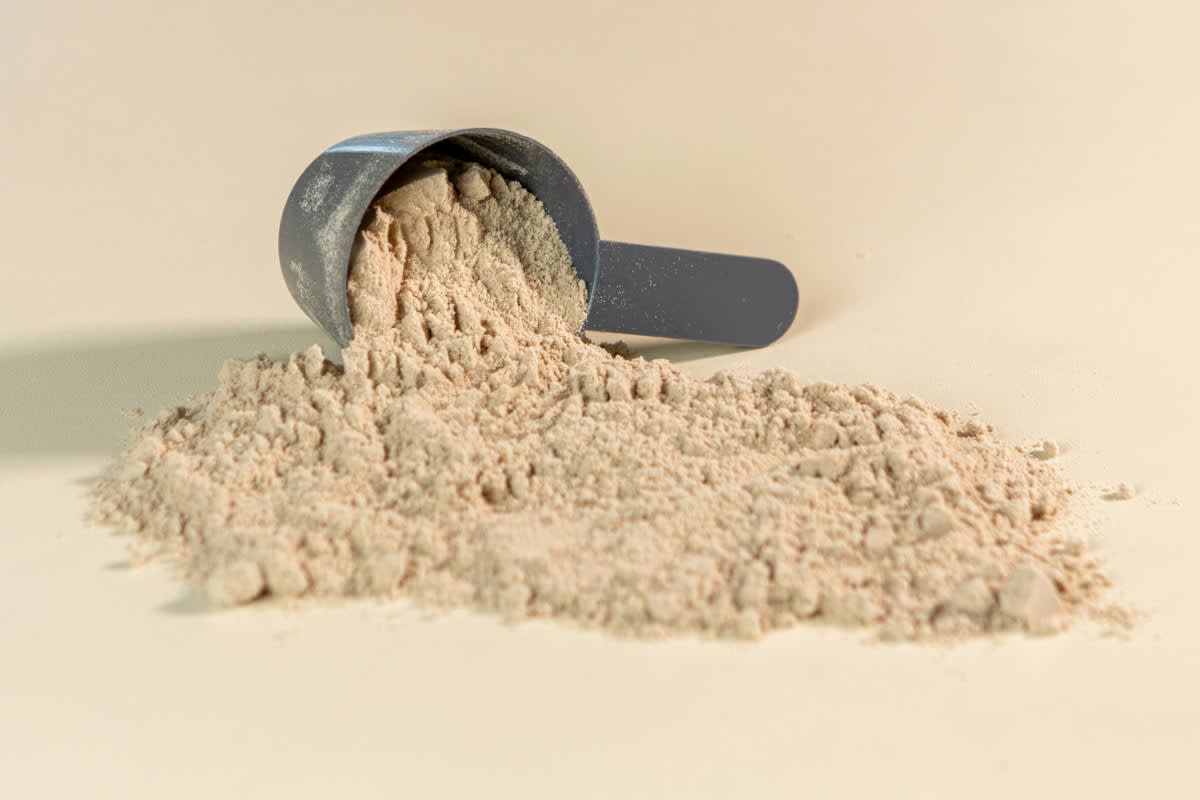
Start with the sequence. You must identify the specific bovine protein target, such as casein or whey, and synthesize a DNA sequence that the host microbe can actually read. The code is everything. Optimization follows the design. Using CRISPR or traditional recombinant DNA technology, the sequence is inserted into the microbe to ensure the protein is secreted outside the cell. This simplifies the harvest. Scaling is the wall. Moving from a five-liter lab flask to a hundred-thousand-liter industrial bioreactor introduces heat transfer issues that can kill an entire batch of yeast in minutes. Engineering failures are the default. Purification cleans the mess. Centrifugation and filtration remove the yeast cells, leaving behind a pure protein powder that is molecularly identical to dairy. Purity is the goal.
- Strain Engineering: Insert the bovine protein gene into the yeast genome.
- Bench-top Validation: Test protein expression in 1L to 10L reactors to confirm yield.
- Pilot Scaling: Move to 1,000L tanks to identify oxygen transfer limitations.
- Downstream Processing: Implement tangential flow filtration to isolate the protein.
- Formulation: Blend the bio-identical protein with fats and minerals to mimic milk texture.
- Market Launch: Secure Novel Food approval in target jurisdictions.
The costs are staggering. While the protein is identical, the capital expenditure for a full-scale facility can exceed hundreds of millions of dollars before a single gram is sold. Money dictates the speed. Resource efficiency is the win. Precision fermentation can reduce land use by 96% compared to traditional cattle farming (Source: Good Food Institute, 2022). Nature is too slow. Greenhouse gas emissions drop by roughly 97% when you remove the methane-producing ruminant from the equation (Source: Good Food Institute, 2022). The air gets cleaner. Energy is the new cost. The weight of the carbon footprint shifts from the pasture to the electricity grid powering the bioreactors. Power is the new feed.
"The transition to animal-free dairy is not about replacing the farmer, but about decoupling protein production from the biological constraints of a living animal."— Industry Analyst at The Good Food Institute
The boardrooms are warzones. Traditional dairy lobbyists in the European Union have spent years fighting to ensure that any product not coming from a mammal cannot legally be called milk or cheese. This is a fight for language. We see this in the secret meetings where regulators debate whether bio-identical proteins are additives or ingredients. Those of us on the floor know that the naming is secondary to the cost per kilo. The real fight is about money. In Singapore, the SFA has taken a different path by prioritizing safety over tradition. They allow animal-free proteins to hit the market faster. Speed wins the market.
Common Pitfalls and Failures
Flavor is a lie. Many practitioners assume that because the protein is identical, the final cheese will taste the same, but they forget that cattle milk contains a complex matrix of lipids and minerals. The matrix is missing. Over-scaling is a risk. Companies often jump to 100k-liter tanks without solving the oxygenation issues at 10k-liters, leading to catastrophic batch failures. Patience is a virtue. Regulatory blindness kills. Assuming that an FDA GRAS (Generally Recognized as Safe) notice in the US translates to an EFSA approval in Europe is a fatal mistake. Laws vary by border. Taste profiles drift. If the fermentation time varies by just a few hours, the protein can develop a bitter aftertaste that ruins the consumer experience. Quality control is everything.
Fact-Check & Accuracy Note
Verify all claims against the Good Food Institute (GFI) 2022 reports and the FDA's GRAS notice database. Academic debate continues regarding the total energy requirements of large-scale bioreactors compared to regenerative grazing. While land use is lower, the electricity demand for cooling and aeration remains a point of contention in life-cycle assessments.
Editorial Note
This guide is intended for food scientists and industrial engineers. It does not provide legal advice for navigating Novel Food regulations in the EU or Asia.
The future is hybrid. We will not see the total disappearance of cattle overnight, but we will see a shift where bio-identical proteins handle the bulk of the commodity market. High-end cows remain. The commodity market is the target. Precision fermentation is projected to reach a valuation of $1.2 billion by 2030 (Source: Boston Consulting Group, 2021). The money is moving. We are moving toward a world where the cow is a luxury. The bioreactor is the default. Efficiency is the only truth.