Beyond the Local Label: What is Bio-Regionalism?
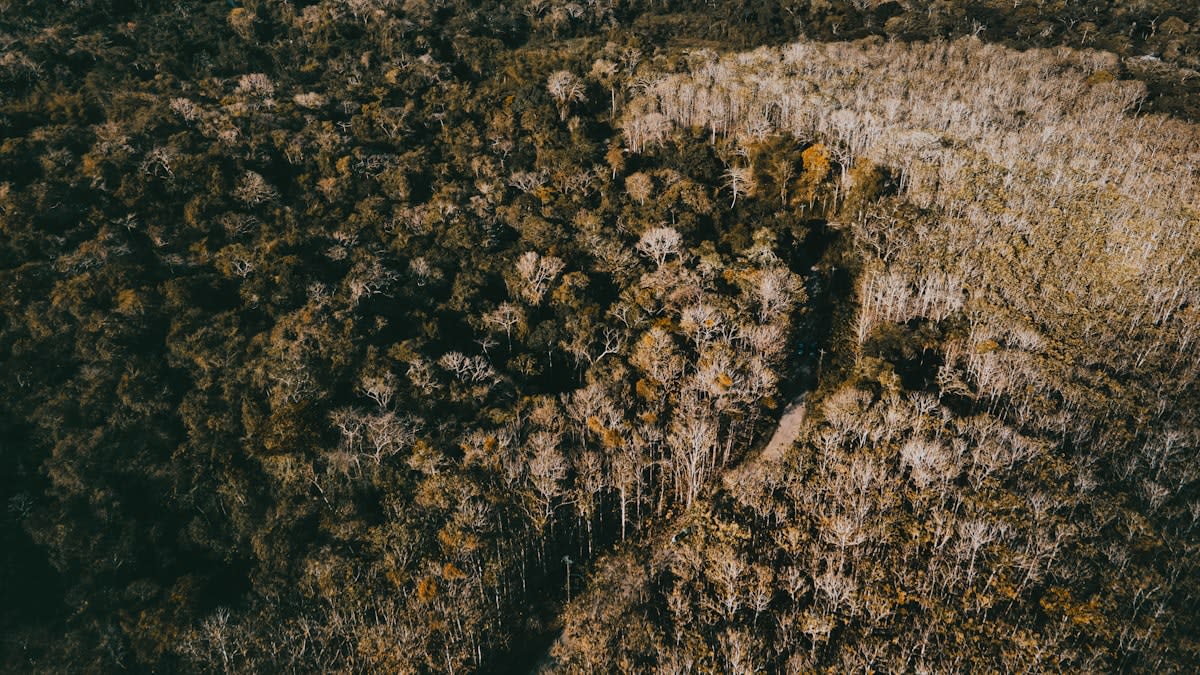
Most people confuse 'eating local' with buying a tomato from a farmer's market twenty miles away. That is a commercial transaction, not an ecological alignment. Bio-regionalism is different. It is the practice of defining your diet by the natural boundaries of your ecosystem—the watershed, the soil type, and the native flora—rather than political borders or shipping lanes. Why does this matter? Because your body evolved to process the nutrients available in your immediate environment. When we decouple our diet from our bioregion, we aren't just increasing carbon footprints; we are ignoring the biological intelligence of the land.
Consider the difference between a Mediterranean bioregion and the humid river basins of Southeast Asia. The former relies on olive oils, hardy grains, and drought-resistant legumes, while the latter leverages rice, fermented fish, and tropical tubers. Both are optimized for their respective environments. The modern globalized diet, however, imposes a homogenized set of calories across all latitudes. According to the FAO (Source: FAO, 2021), the loss of agrobiodiversity has led to a significant decline in the nutrient density of staple crops, as we prioritize transportability over ecological fit.
Prerequisites: Your Bio-Regional Toolkit
You cannot synchronize your diet if you do not know where you are. Before you change a single ingredient in your pantry, you need to establish a baseline of ecological literacy. This isn't about academic study; it is about observational data. You need to identify the 'keystone' species of your region—the plants and animals that support the rest of the ecosystem.
- A Watershed Map: Identify the drainage basin your home sits within. This defines your primary water source and soil characteristics.
- A Phenology Calendar: A record of when specific plants bloom and fruit in your exact zip code, not a generic regional guide.
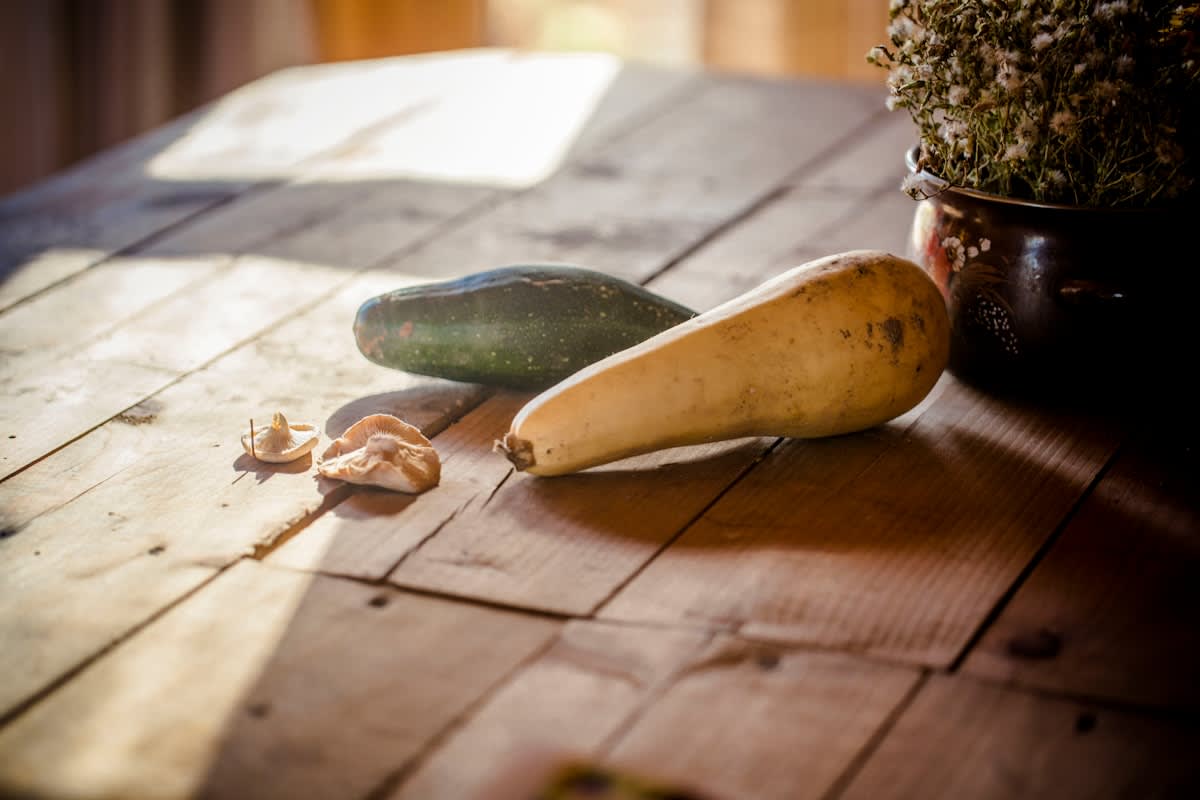
- A Native Species List: A catalog of indigenous edible plants, fungi, and game native to your bioregion.
- A Producer Network: Direct contacts for farmers, foragers, and fishers who utilize regenerative practices within your watershed.
Once you have these tools, you can stop guessing. You move from a mindset of consumption to one of integration. Are you eating what the land is currently offering, or are you forcing the land to provide what you want? That distinction is the core of the bio-regional shift.
The Implementation Framework: Four Steps to Synchronization
- Define Your Ecological Boundary: Stop thinking in terms of city or state lines. Identify your watershed or ecoregion. For example, if you live in the Pacific Northwest, your boundary is defined by the Cascadia bioregion's rain patterns and temperate rainforests.
- Audit the Local Harvest: Map the 'peak' nutrient windows for your region. Use your phenology calendar to identify when wild greens, nuts, or fish are at their highest nutritional density. This is when the ecosystem is effectively 'pushing' these nutrients into the food chain.
- Align Macronutrients to Native Sources: Replace global staples with bioregional equivalents. Swap quinoa (Andean) for buckwheat or amaranth if you are in a region where they thrive, or replace soy with indigenous legumes like lupins or chickpeas depending on your soil type.
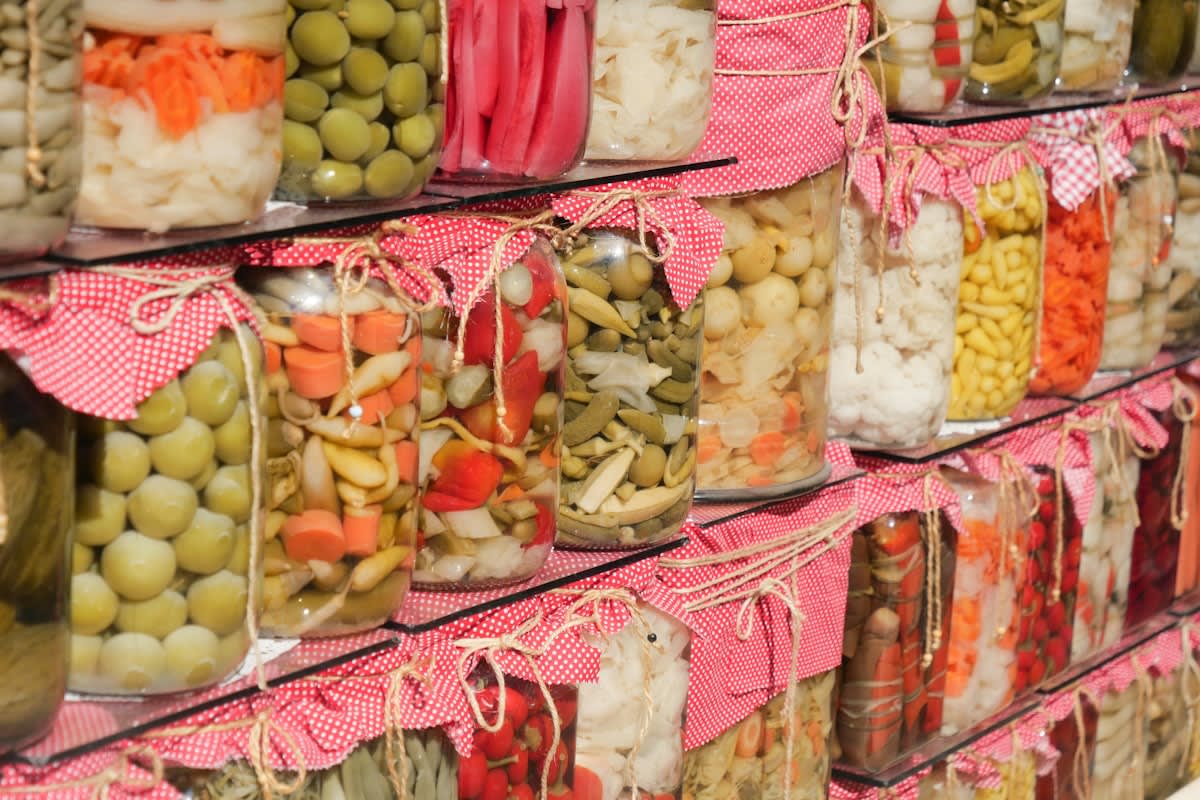
- Master the Larder: Use traditional preservation methods to bridge the seasonal gaps. Fermentation, root cellaring, and drying are not just culinary trends; they are biological necessities for surviving the dormant phase of your ecosystem.
The third step—aligning macronutrients—is where most people struggle. It requires a willingness to abandon the 'superfood' marketing narrative. The real superfood is whatever is native to your soil and peak in season. For instance, the EAT-Lancet Commission (Source: EAT-Lancet, 2019) emphasizes that planetary health diets must be grounded in local availability to be sustainable. If you are in the Andean highlands, your superfood is the oca or mashua tuber; if you are in the Mediterranean, it is the wild arugula and olive.
"The transition to bio-regional eating is less about what we add to the plate and more about what we have the courage to remove. We must stop treating the earth as a vending machine and start treating it as a partner."— Dr. Elena Rossi, Lead Researcher at the Institute for Regenerative Agriculture
The final step of mastering the larder is the most critical for long-term success. In my years implementing these systems, I have seen too many enthusiasts quit in February because they ran out of fresh local produce. The secret is not to find 'fresh' food in winter, but to embrace the 'preserved' state. Your gut microbiome thrives on the fermented foods that were traditionally used to store summer harvests. By eating fermented winter vegetables, you are effectively consuming the captured sunlight of the previous August.
The Practitioner's Reality: Friction and Debate
On the ground, bio-regionalism is not a peaceful harmony; it is a series of hard negotiations. When I work with urban planners and farmers, the debate usually centers on the 'Purity vs. Pragmatism' divide. Purists argue that any non-native species—even those that are ecologically benign—should be excluded. Pragmatists argue that in an era of rapid climate shift, we must accept 'assisted migration' of crops that can handle new temperature baselines. I lean toward the latter. If a specific variety of drought-resistant grain from another region can now thrive in your watershed without degrading the soil, it becomes part of your new bio-regional reality.
There is also the friction of the 'Urban Desert.' How do you eat bio-regionally in a concrete jungle? The answer lies in the 'Peri-Urban' fringe. The most successful practitioners I know don't try to grow everything on a balcony; they build deep, reciprocal relationships with farmers on the edge of the city. They trade labor or capital for a share of the harvest, effectively extending their biological reach. It is a shift from being a customer to being a stakeholder in the landscape.
Common Pitfalls to Avoid
The most dangerous trap is the 'Local Monoculture.' Just because a crop is grown ten miles away does not mean it is bio-regional. A massive field of industrial corn in the Midwest is 'local,' but it is an ecological vacuum. Bio-regionalism requires diversity. If your local source only provides three types of vegetables, you are not synchronized with the ecosystem; you are just buying from a different kind of factory.
- The Seasonality Shock: Attempting to go 100% bio-regional overnight. Start with one meal a day or one specific food group (e.g., greens) to avoid nutrient gaps.
- Ignoring Soil Health: Eating local food grown in depleted soil. Always ask your producer about their cover cropping and composting practices.
- The 'Superfood' Obsession: Prioritizing a trendy native plant over a boring, nutrient-dense one. Don't let Instagram dictate your bio-regional plate.
Finally, avoid the mistake of ignoring your own biological individuality. Bio-regionalism is a framework, not a dogma. If your local ecosystem lacks a specific nutrient your body requires, supplement it strategically. The goal is maximum alignment, not ascetic deprivation.
Editorial Note
This guide is based on the principles of regenerative agriculture and ecological nutrition. The practitioners' insights are derived from field implementations of bio-regional food hubs in North America and Europe. The emphasis on watershed boundaries is a standard practice in landscape ecology.
Fact-Check & Accuracy Note
Key claims regarding agrobiodiversity and nutrient density are sourced from the FAO (2021). The framework for planetary health diets is attributed to the EAT-Lancet Commission (2019). The debate regarding 'assisted migration' of crops is an ongoing discussion within the International Union for Conservation of Nature (IUCN) and regional agricultural boards.