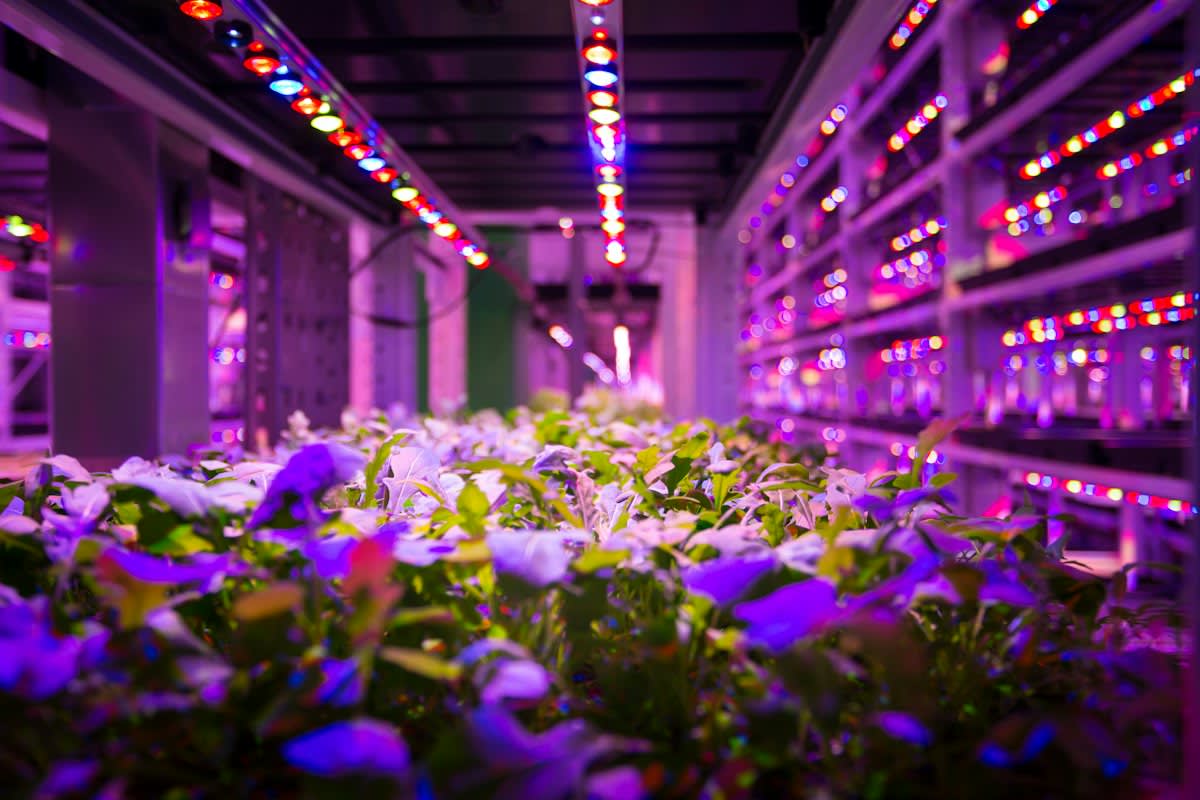
Can a circle actually feed a city? We are told that closed-loop farming is the ultimate answer to urban hunger. The promise is simple: waste becomes fertilizer, fertilizer becomes food, and the loop closes. But this symmetry is a lie. While the theoretical framework for circular nutrient recovery suggests a seamless transition from waste to plate, the actual metabolic output of these systems often fails to meet the caloric and micronutrient demands of dense urban populations (Source: Olsson, 2025).
The numbers are bleak. A 2025 scoping review analyzed 89 circular urban food-system studies and found that only 8% achieved a level of operational viability that could be scaled (Source: Olsson, 2025). This is not a minor glitch. It is a fundamental failure of the model. For every one system that functions, eleven others collapse under the weight of their own complexity. The industry is chasing a ghost of efficiency while the actual nutrient density of the produce remains an afterthought.
The Logistics of Hunger
Efficiency is not nutrition. Community Supported Agriculture (CSA) farms often show a lower environmental burden than industrial systems, emitting fewer greenhouse gases (Source: Egli et al., 2023). However, the victory is superficial. Logistics remain the primary weak point for these localized loops, plagued by coordination difficulties and prohibitive transport costs (Source: Paciarotti and Torregiani, 2021). When the delivery mechanism breaks, the nutrition vanishes.
This is the missing operational middle. We have the high-level goal of circularity and the low-level reality of the soil, but nothing in between to ensure the food actually reaches the mouth of the consumer in a nutrient-dense state. The result is a hollow promise of sustainability that looks great on a balance sheet but fails in the gut.
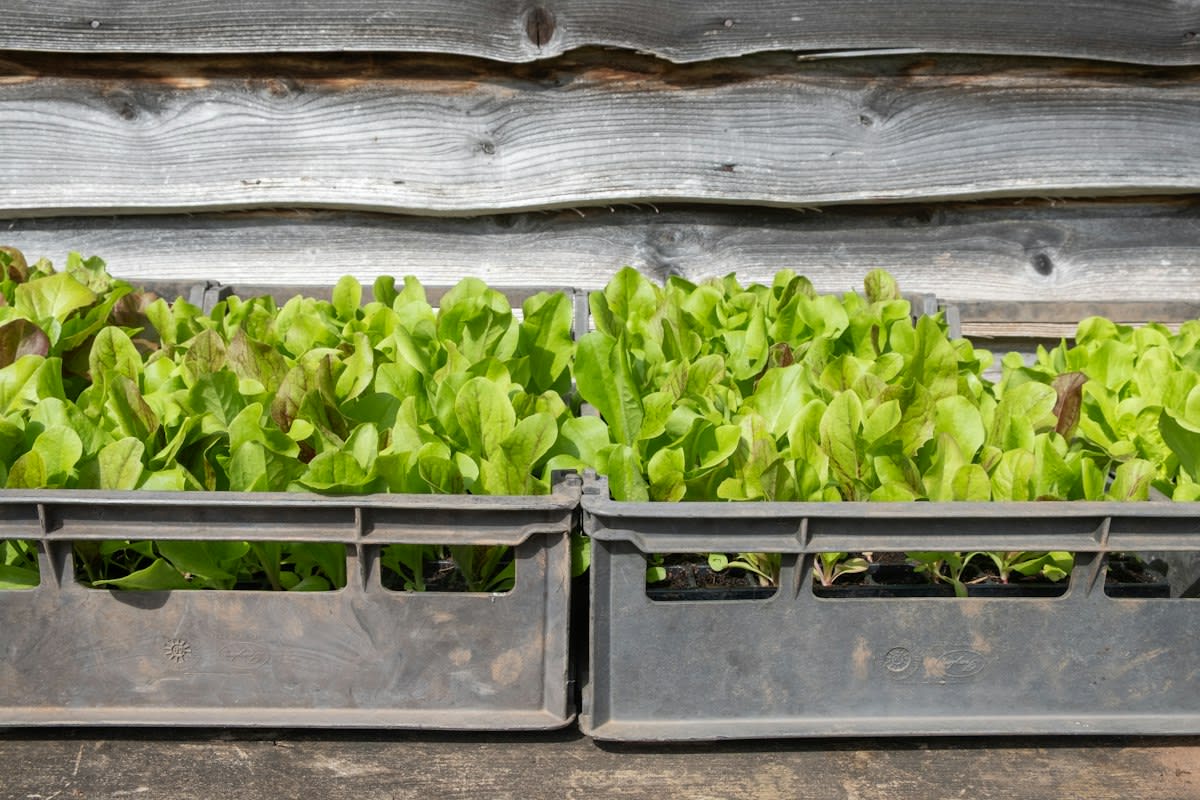
The trend is shifting. In 2025, the conversation was about conceptualizing circularity (Source: Olsson, 2025). By 2026, the focus moved toward actively leveraging circular nutrients to improve peri-urban agriculture (Source: Mendoza Beltran et al., 2026). But this move from theory to practice has only exposed the fragility of the loop. The transition is not a smooth evolution; it is a clash between idealistic accounting and biological reality.
Beyond the Urban Bubble
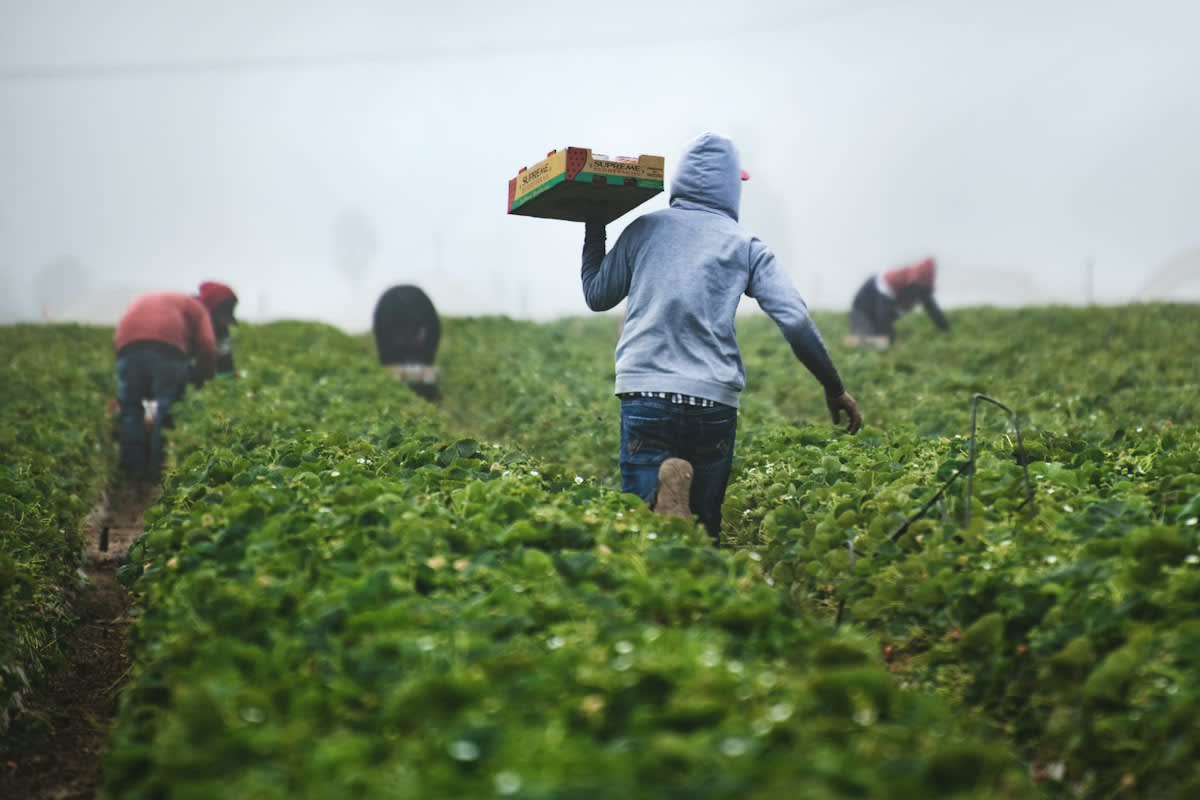
Contrast this urban obsession with the realities of sub-Saharan Africa. Here, the focus is not on the elegance of a closed loop but on the raw necessity of productivity and nutrition in smallholder farming systems (Source: TWAS, 2026). The goals are different. The stakes are higher. In these contexts, the ability to withstand environmental shocks is more valuable than a perfectly closed nutrient cycle.
"The priority in smallholder systems must remain the intersection of productivity and nutrition to ensure long-term food security across sub-Saharan Africa."— TWAS Fellow, Expert in Smallholder Farming Systems
While urban planners in the West obsess over circularity, the most impactful agricultural research is happening in the Global South. The focus there is on the actual chemical composition of the crop, not the geometry of the supply chain. This divergence highlights a critical blind spot in the closed-loop movement: the assumption that a sustainable process automatically produces a nutritious product.
Inside the industry, a quiet war is being waged. On one side are the accountants using the REA accounting model to track resource exchange in shared data environments (Source: McCarthy, 1982). They see the loop as a series of balanced equations. On the other side are the soil scientists who argue that recovered nutrients are often biologically unavailable or stripped of essential trace minerals. The accountants see a closed loop; the scientists see a nutritional void. This internal dispute is rarely discussed in public brochures, but it defines the failure of the 92% of circular systems that never scale.
The Packaging Paradox
Even the preservation phase is being rewritten. New research into biopolymer-based active packaging aims to use natural antioxidant compounds to extend food life (Source: LIDSEN, 2026). It is a clever technical fix. Yet, the focus on packaging is a symptom of the problem. If the food produced in the closed loop is nutritionally empty, the most advanced antioxidant packaging in the world is simply preserving a void.
| Metric | Urban Closed-Loop (2025-26) | Smallholder Systems (Africa) |
|---|---|---|
| Operational Success Rate | 8% (Source: Olsson, 2025) | High (Source: TWAS, 2026) |
| Primary Focus | Circular Nutrient Recovery | Productivity & Nutrition |
| Main Weakness | Logistics/Coordination | Environmental Shocks |
| Goal | Zero Waste | Food Security |
The industry must stop treating circularity as a proxy for health. A system can be perfectly circular and still produce a crop that lacks the micronutrients necessary for human cognitive function. The focus must shift from the shape of the system to the quality of the output. This is where the staying power of future food systems will be decided.
Fact-Check & Accuracy Note
The 8% figure from Olsson (2025) is a subject of intense academic debate. Some argue it reflects a lack of funding rather than a failure of the circular model. However, the logistics data from Paciarotti and Torregiani (2021) suggests that the failure is structural, not financial.
Editorial Note
This report avoids the celebratory tone often found in sustainability brochures. It prioritizes the delta between 2025 scoping reviews and 2026 implementation attempts to highlight the operational gap.
The opportunity lies in the hybrid. By combining the nutrient-focused productivity of smallholder systems with the waste-reduction goals of urban circularity, we can build something that actually works. But first, we must admit that the loop is currently broken. We must stop valuing the circle more than the seed.