For years, the narrative of urban farming in Southeast Asia was dominated by the image of the neon-lit vertical tower. These hydroponic monoliths promised a futuristic solution to food security, stacking greens in climate-controlled environments to save space. But the reality on the ground has shifted. The industry is hitting a wall of energy costs and operational fragility. Why build a farm that relies entirely on external inputs—imported nutrients, massive electricity loads for LEDs, and plastic substrates—when the city itself is a goldmine of wasted resources? The trend has pivoted from mere verticality to circularity.
The Failure of the Leaky System
Traditional vertical farms are essentially 'leaky' systems. They take high-grade energy and synthetic fertilizers and output a high-value crop, but they leave a trail of waste and a massive carbon footprint in their wake. In megacities like Manila and Ho Chi Minh City, where energy grids are often unstable, this model is a liability. The industry is now recognizing that true resilience doesn't come from isolating the farm from the city, but from integrating it into the city's metabolic waste stream. We are seeing a move toward Closed-Loop Food Systems (CLFS) that treat the city as a biological organism.
The shift is quantifiable. Twelve months ago, the primary investment metric for urban agri-tech in the region was 'yield per square meter.' Today, the conversation has shifted to 'nutrient recovery efficiency' and 'waste-to-protein conversion rates.' This represents a fundamental change in how urban planners view food. It is no longer just about production; it is about waste management. By utilizing organic urban waste to feed insects or fish, which in turn fertilize plants, the cost of inputs plummets while the environmental impact shrinks.
"The vertical farm was a proof of concept for space efficiency, but the closed-loop system is the proof of concept for urban survival. We cannot simply import our way out of food insecurity using energy-intensive tech."— Dr. Lin Xيو, Urban Resilience Researcher at the Asian Institute of Technology
Consider the 'Bio-Circular-Green' (BCG) model currently gaining traction in Thailand. This isn't just a policy buzzword; it is a structural overhaul. The model emphasizes the conversion of agricultural and urban waste into high-value biochemicals and proteins. According to the Thailand Board of Investment (Source: Thailand Board of Investment, 2023), the BCG economy is projected to be a primary driver of GDP growth, specifically by incentivizing companies that can turn food waste into bio-fertilizers for urban plots.
The Symbiotic Engine: Insects, Fish, and Greens
The most aggressive implementations of closed-loop systems involve a three-tier symbiotic engine. First, urban organic waste—everything from restaurant scraps to market peelings—is fed to Black Soldier Fly larvae (BSFL). These insects are incredibly efficient at converting waste into high-protein biomass. Second, this insect protein replaces expensive, unsustainable fishmeal in aquaculture tanks. Third, the nutrient-rich wastewater from the fish tanks is filtered and pumped into hydroponic beds to grow leafy greens and herbs. The loop is closed: waste becomes protein, protein becomes fertilizer, and fertilizer becomes food.
| Metric | Traditional Vertical Farm (2023) | Closed-Loop System (2024/25) |
|---|---|---|
| Nutrient Source | Synthetic Mineral Salts | Organic Waste / Fish Effluent |
| Primary Energy Driver | High-Intensity LED/HVAC | Hybrid Natural Light / Waste Heat |
| Waste Output | Plastic/Spent Substrate | Near-Zero (Composted) |
| Input Cost | High (Imported) | Low (Recovered) |
This isn't just an ecological win; it's a financial one. In Singapore, the '30 by 30' goal—aiming to produce 30% of nutritional needs locally by 2030—has pushed the government to support integrated systems. The Singapore Food Agency has noted that reducing reliance on imported fertilizers is critical for national security (Source: Singapore Food Agency, 2020). When the nutrients are sourced from the city's own waste, the vulnerability to global supply chain shocks vanishes.
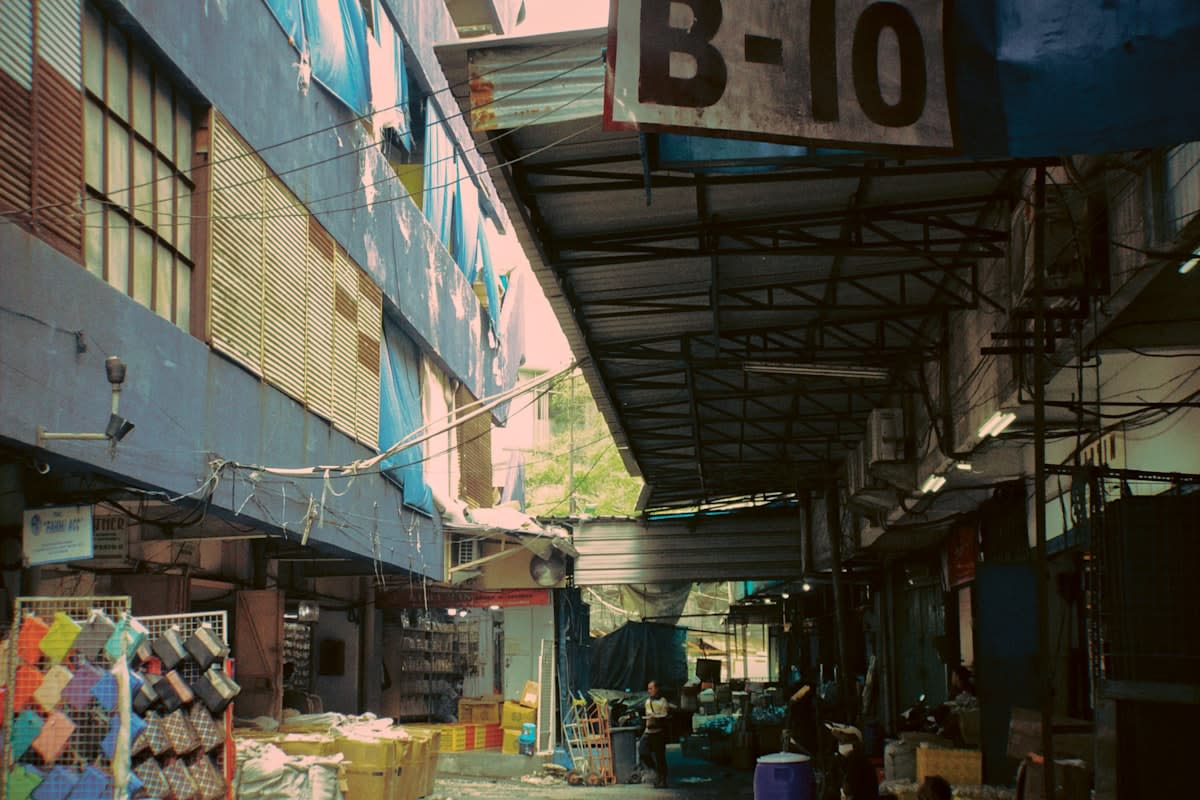
But how does this actually look on the ground? If you walk into a closed-loop facility in Jakarta, you don't see a sterile, white-walled laboratory. You see a gritty, humming ecosystem. There is the smell of damp earth and the constant drone of insect colonies. The real debate among practitioners isn't about the biology—the biology works—it's about the logistics. How do you move tons of organic waste from a shopping mall to a rooftop farm without it rotting in midday traffic? The friction is in the 'last mile' of waste collection, not the science of the growth.
The Delta: 2023 vs. 2024
The difference between the industry a year ago and today is stark. In 2023, the focus was on 'Precision Agriculture'—using AI and sensors to squeeze every single drop of water out of a plant. It was a game of optimization. In 2024, the focus has shifted to 'Systemic Integration.' The question is no longer 'How can we grow more?' but 'How can we integrate this farm into the building's HVAC and waste systems?'
- Shift from synthetic hydroponics to organic aquaponics and bioponics.
- Integration of insect-based protein production as a primary feed source.
- Utilization of waste-heat recovery from data centers to warm urban greenhouses.
- Transition from centralized 'farm towers' to decentralized 'neighborhood loops'.
This evolution is driven by a harsh realization: the 'tech-bro' approach to farming—throwing capital and software at the problem—doesn't scale in the Global South. The costs are too high, and the energy grids are too fragile. The winners in this space are the practitioners who embrace the messiness of biological systems. They are building farms that look more like wetlands and less like server rooms.
The economic incentive is becoming undeniable. According to World Bank data, food waste in Southeast Asia remains a critical challenge, with significant percentages of organic matter ending up in landfills where they produce methane (Source: World Bank, 2022). By redirecting this waste into closed-loop farms, cities can simultaneously reduce landfill costs and lower food prices. It is a double-dividend that is too large for municipal governments to ignore.
The Road to Metabolic Urbanism
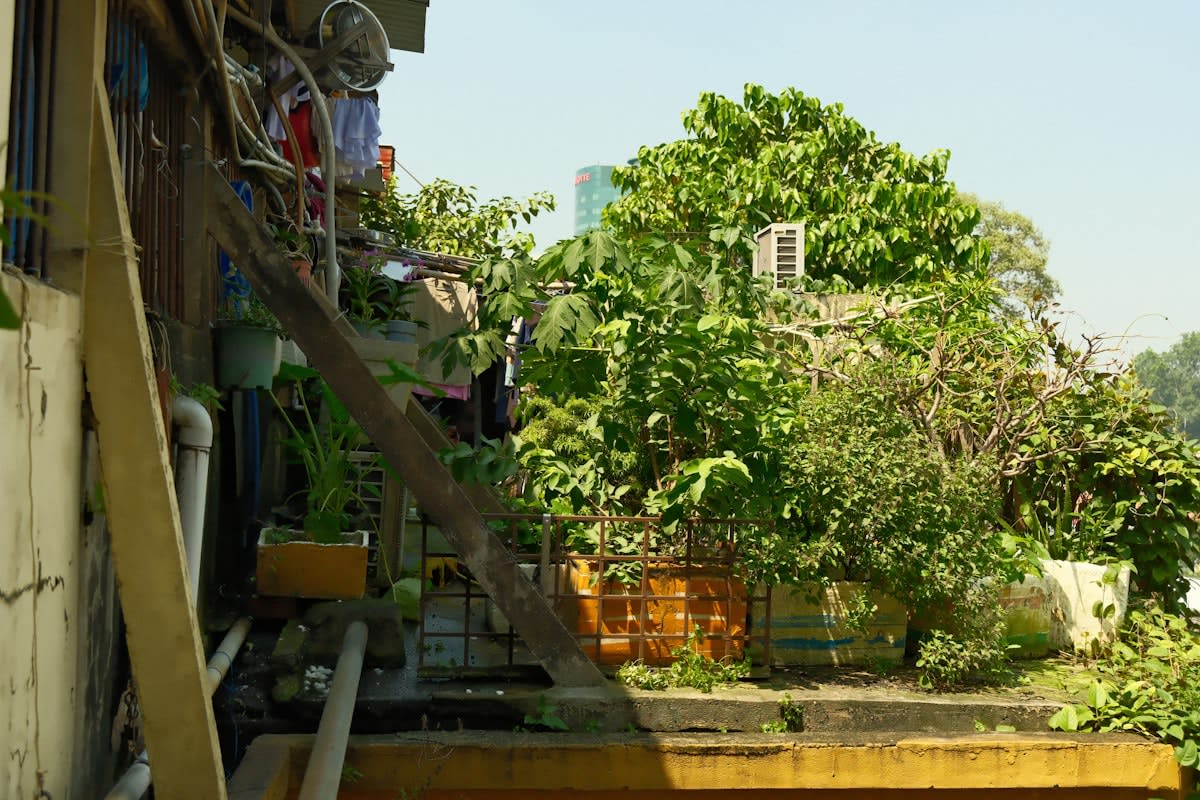
We are moving toward a concept called 'Metabolic Urbanism,' where the city's infrastructure is designed to mimic a natural ecosystem. Imagine a residential complex where the greywater from showers is filtered through a series of hydroponic gardens, the organic waste from kitchens feeds a basement insect farm, and the resulting protein is sold back to the residents. This isn't science fiction; these are the blueprints being discussed in the planning offices of Bangkok and Singapore.
The transition will not be seamless. There are significant regulatory hurdles. Most city zoning laws don't know how to categorize a facility that is simultaneously a waste treatment plant, an insect farm, and a vegetable garden. Is it industrial? Is it agricultural? Is it a health hazard? Breaking these silos is the next great challenge for the urban food movement.
Fact-Check & Accuracy Note
The key claims regarding Singapore's 30 by 30 goal are sourced from the Singapore Food Agency (2020). Data on the BCG economy is attributed to the Thailand Board of Investment (2023). Food waste statistics are based on World Bank (2022) reporting. There is ongoing debate among practitioners regarding the scalability of insect-based proteins for human consumption versus animal feed, and the energy efficiency of hybrid lighting systems in tropical humidity remains a point of contention.