
The Linear Lie and the Circular Reality
Most modern kitchens operate on a linear trajectory: buy, consume, discard. This model treats the kitchen as a terminal point for resources rather than a node in a cycle. We buy produce wrapped in plastic, eat a fraction of the nutrient-dense material, and ship the rest to a landfill where it produces methane instead of soil. Why do we accept this inefficiency? The systemic failure isn't a lack of willpower; it's a design flaw in how we perceive food. When you shift your perspective, a potato peel stops being trash and becomes a carbon source for a microbial colony. A stale sourdough starter isn't a failure; it's a biological asset.
Building a closed-loop system means mimicking natural ecosystems where waste does not exist. In a forest, the fallen leaf is the fuel for the next spring's growth. In your kitchen, this means creating a tight feedback loop between your sourcing, your preparation, and your recovery processes. According to the Food and Agriculture Organization (FAO, 2023), approximately one-third of all food produced globally is lost or wasted, representing a staggering loss of embedded energy and water. By closing the loop at home, you aren't just 'being green'—you are reclaiming the economic and nutritional value of your groceries.
Prerequisites: The Circular Toolkit
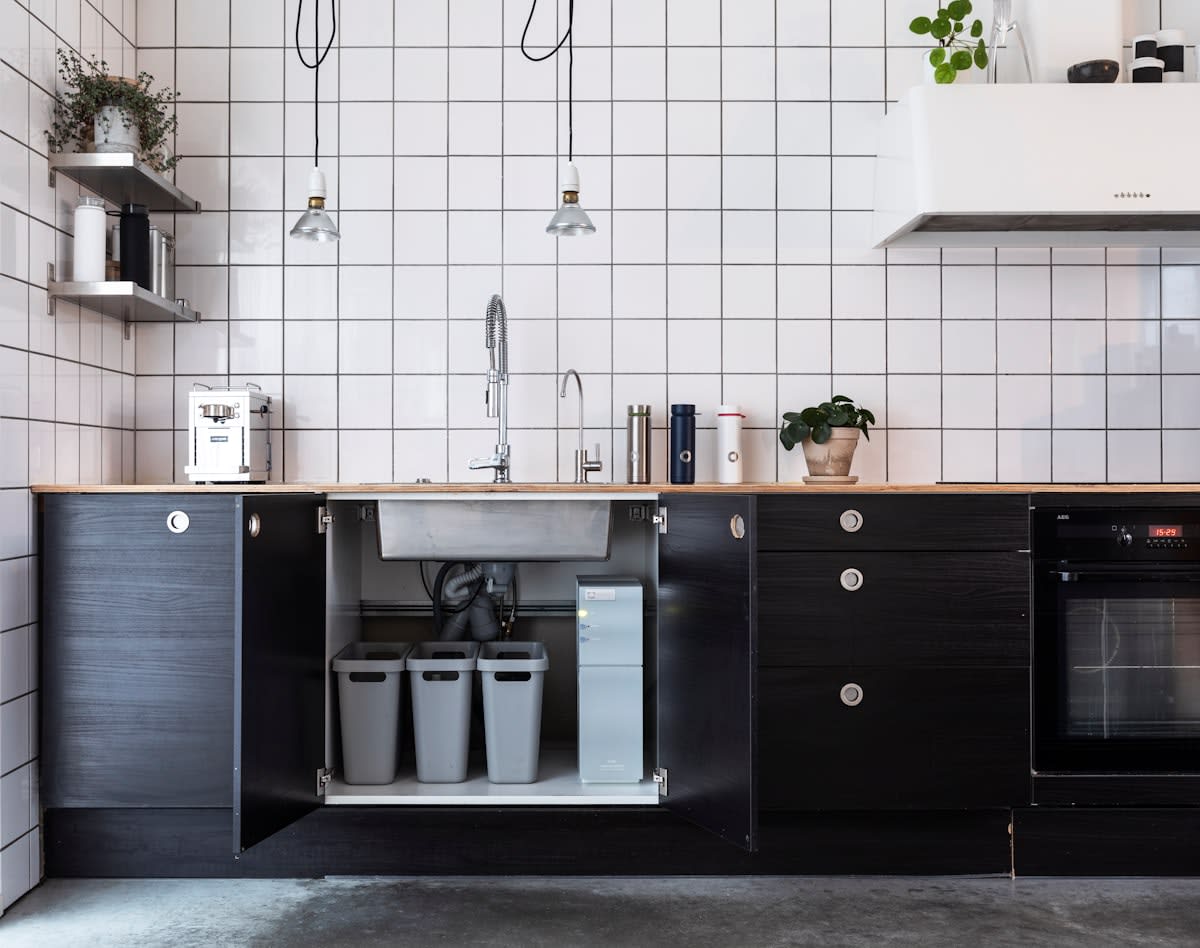
Before you start rearranging your pantry, understand that circularity requires infrastructure. You cannot manage a loop if you don't have a place for the materials to land. I have seen too many people fail because they tried to compost in a plastic bin without aeration or attempted to preserve food without the correct pH monitoring tools. You don't need a professional laboratory, but you do need a few non-negotiables to prevent your kitchen from becoming a biohazard.
- A dedicated organic waste catchment system (Bokashi bins or aerated countertop composters).
- Fermentation vessels (Glass jars with airlocks or traditional ceramic crocks).
- A resource audit log (A simple notebook to track what you throw away for 14 days).
- Precision tools: A digital scale and a pH strip kit for safe preservation.
- Regenerative containers: Glass, stainless steel, or beeswax wraps to replace single-use plastics.
Once the hardware is in place, the mental shift begins. You must stop asking 'Where does this go?' and start asking 'What can this become?' This is the fundamental pivot of the master practitioner. If you are still thinking in terms of 'disposal,' you are still operating in a linear system.
The Five-Step Blueprint for a Closed-Loop System
- Conduct a Waste Stream Audit: For two weeks, categorize every item that leaves your kitchen. Separate them into 'avoidable' (over-purchasing), 'recoverable' (scraps that can be composted or fermented), and 'non-circular' (packaging). This data is your baseline.
- Implement Upstream Sourcing: Buy exclusively from producers who use circular packaging or offer bulk refills. In cities like Seoul or Berlin, this often means utilizing 'zero-waste' cooperatives that eliminate the packaging loop entirely before it enters your home.
- Maximize Midstream Utilization: Adopt 'root-to-stem' and 'nose-to-tail' cooking. Use broccoli stalks for slaws, carrot tops for pesto, and shrimp shells for concentrated stocks. This reduces the volume of material entering the recovery phase.
- Deploy a Multi-Tiered Recovery System: Use Bokashi fermentation for meat and dairy scraps, and vermicomposting (worm bins) for vegetable waste. This ensures that 100% of organic matter is converted back into nutrient-dense soil rather than methane-producing landfill waste.
- Close the Loop via Home Production: Use the resulting compost to grow high-turnover crops (microgreens, herbs, or mushrooms) in your kitchen or balcony. The nutrients from your waste now feed the food you consume.
The magic happens in step four. Most people think composting is a 'set it and forget it' process, but it is actually a biological orchestration. If you dump too many nitrogen-rich greens (like food scraps) without enough carbon-rich browns (like shredded cardboard), you end up with a smelly, anaerobic mess. I learned this the hard way in a small apartment in Mexico City, where a poorly managed worm bin nearly cost me my security deposit. Balance is the only way to maintain a system that smells like forest floor rather than a sewer.
"The goal of a circular economy is to decouple economic activity from the consumption of finite resources. In the home, this means treating the kitchen as a biological refinery where the output of one process is the input for the next."— Ellen MacArthur Foundation, Circular Economy Framework
Consider the efficiency of this loop. When you compost at home, you eliminate the carbon emissions associated with hauling heavy, wet organic waste to a facility. According to World Bank data (2022), organic waste makes up nearly 44% of global waste, and diverting this at the source is the single most effective way to reduce a household's environmental footprint. You are essentially creating a localized nutrient cycle that bypasses the industrial supply chain.
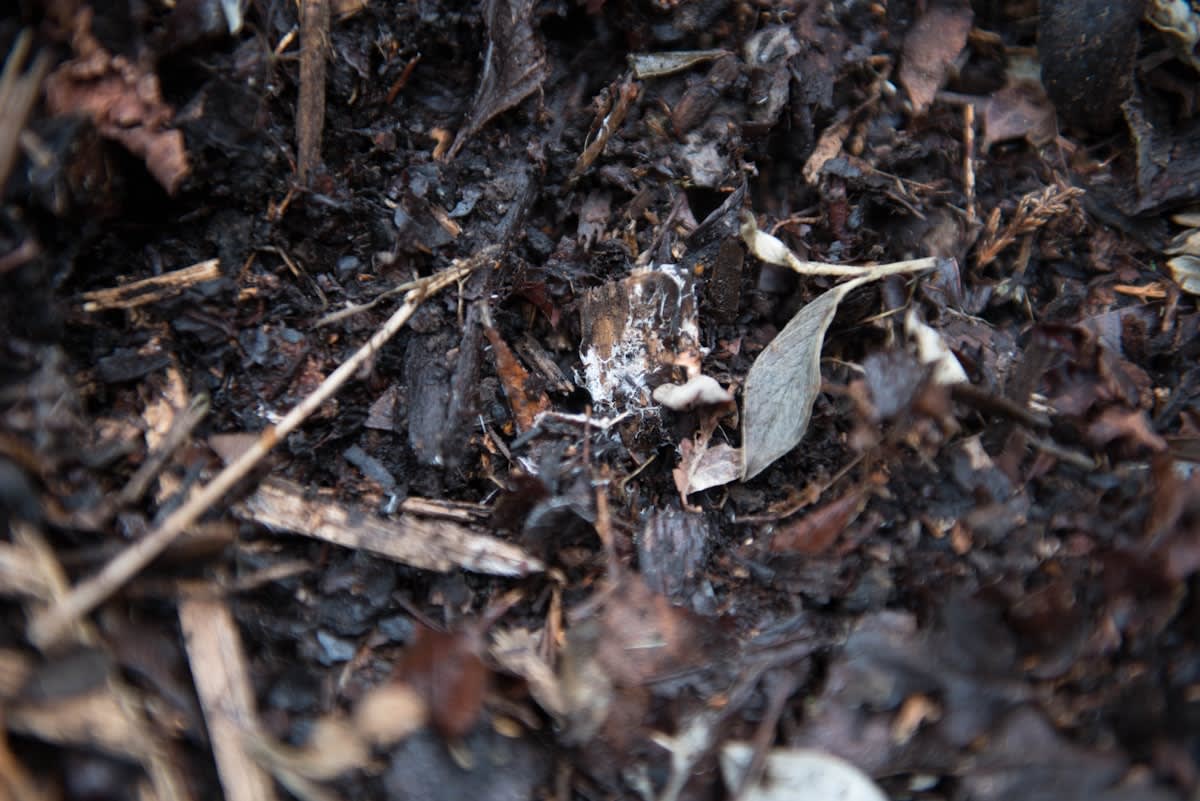
In the field, the real debate among practitioners isn't about whether to compost, but which method is most efficient for urban densities. Some swear by the Bokashi method—a Japanese anaerobic fermentation process—because it handles proteins and fats that traditional bins can't. Others argue for the sheer speed of vermicomposting. From my experience, the hybrid approach is the only one that actually works for a diverse diet. Use Bokashi for the 'hard' scraps and worms for the 'soft' ones. This dual-track system prevents the common pitfalls of pest attraction and odor.
Common Pitfalls and How to Avoid Them
- The 'Over-Ambitious Start': Trying to implement all five steps in one weekend. Start with the audit. If you don't know what you're wasting, you're just guessing.
- Ignoring the Carbon Ratio: Adding only fruit and veg scraps to a bin. Always add shredded brown paper or dried leaves to keep the system aerobic.
- The Fermentation Fear: Avoiding preservation because of botulism fears. Use a pH meter; if your ferment is below 4.6 pH, it is generally safe from C. botulinum.
- Buying 'Green' Gadgets: Spending $500 on a motorized composter that uses electricity. A simple plastic tub with holes and some worms is more circular and more effective.
Closing the loop is an iterative process. Your system will crash. Your worms might migrate. Your kimchi might explode. This is not failure; it is calibration. The goal isn't a sterile, perfect system, but a resilient one that adapts to your eating habits and your local climate. Once you see the first harvest of basil grown in soil you created from last month's coffee grounds, the linear model will seem absurd.
Editorial Note
This guide focuses on biological circularity. While it addresses organic waste, a truly closed-loop home must also address greywater recycling and energy recovery, which are beyond the scope of a kitchen-specific guide but essential for full systemic resilience.
Fact-Check & Accuracy Note
Key claims regarding global food waste (FAO, 2023) and organic waste percentages (World Bank, 2022) are sourced from official institutional reports. The technical efficacy of Bokashi versus vermicomposting is a subject of ongoing debate among urban agronomists, with the 'best' method varying by climate and waste composition.