
The $10,000 Mirage
Cocoa futures didn't just rise. They exploded. In early 2024, prices breached the $10,000 per metric ton mark for the first time in history (Source: Bloomberg, 2024). The C-suite at Hershey and Mondelez spent years preaching about sustainable sourcing while ignoring the rot in the soil. Now the bill is due. The market isn't reacting to a bad season. It is reacting to a dead system.
The concentration of risk is staggering. Côte d'Ivoire and Ghana produce roughly 60% of the world's cocoa (Source: ICCO, 2023). When El Niño hits the Gulf of Guinea, the whole world feels it. But the weather is a convenient excuse. The real story is the Cocoa Swollen Shoot Virus (CSSV). It kills trees. It kills livelihoods. Corporate responses have been limited to tweaking recipes to include more sugar and less cocoa butter.
"The current price volatility is a symptom of a decades-long failure to invest in farm-level resilience. We treated the West African belt as an infinite resource, ignoring the biological limits of the land."— Dr. Aris Georgopoulos, Agricultural Economist at The Global Food Security Institute
Industry whispers suggest the panic in London and New York trading pits is deeper than the public knows. Hedge funds are playing a game of musical chairs with dwindling inventories. The 'buffer stocks' that were supposed to protect the supply chain evaporated months ago. We are now in a regime of spot-market desperation.
This isn't just a pricing issue; it is a physical shortage of raw materials.
The Anatomy of a Failure
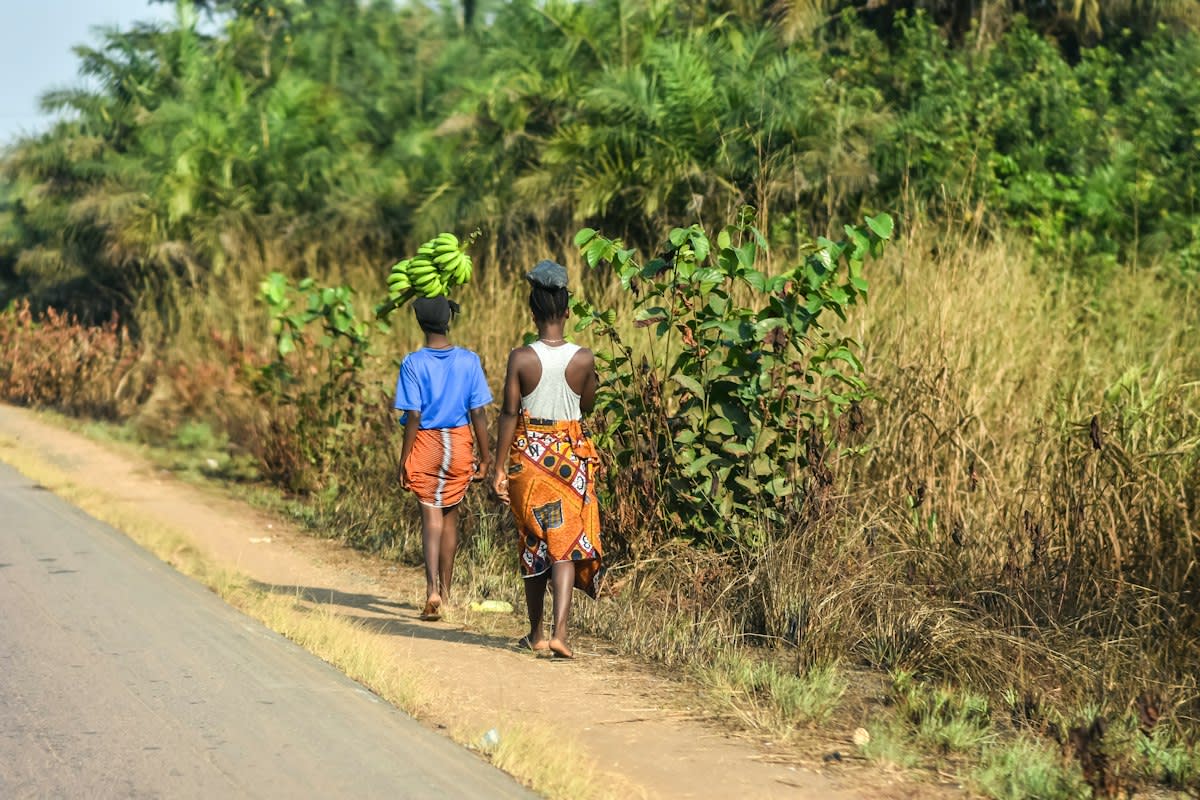
The supply chain is broken at the root. In the forests surrounding Soubré, farmers are fighting a losing battle against aging trees. Many groves are past their peak productivity, yet the incentive to replant is non-existent. Why invest in a tree that takes five years to produce when you can barely afford seeds today? (Source: Reuters, 2024).
| Metric | Q1 2023 | Q1 2024 | Delta (%) |
|---|---|---|---|
| Avg Price/Metric Ton | $2,500 | $10,000 | +300% |
| West African Output (Est) | 3.5M Tons | 2.8M Tons | -20% |
| Inventory Levels (Global) | High | Critical | N/A |
The financialization of cocoa has only accelerated the chaos. Speculative capital flows into cocoa futures as a hedge against other commodities. This creates a feedback loop. Prices rise, speculators buy more, and the actual confectionery manufacturers—the ones who need the beans—get squeezed out of the market. It is a textbook example of how the paper market can destroy the physical one.
While the traders profit, the actual movement of goods has slowed to a crawl.
Ground-Level Friction: The San Pedro Reality
Walk through the warehouses in San Pedro. You will see the friction. It is not just about missing beans. It is about the breakdown of the Living Income Differential (LID). Farmers are bypassing official channels because the payout is too slow. They sell to smugglers. The traceability software the big brands brag about in their ESG reports is a joke. It cannot track a bag of beans sold for cash under a mango tree in the middle of the night.
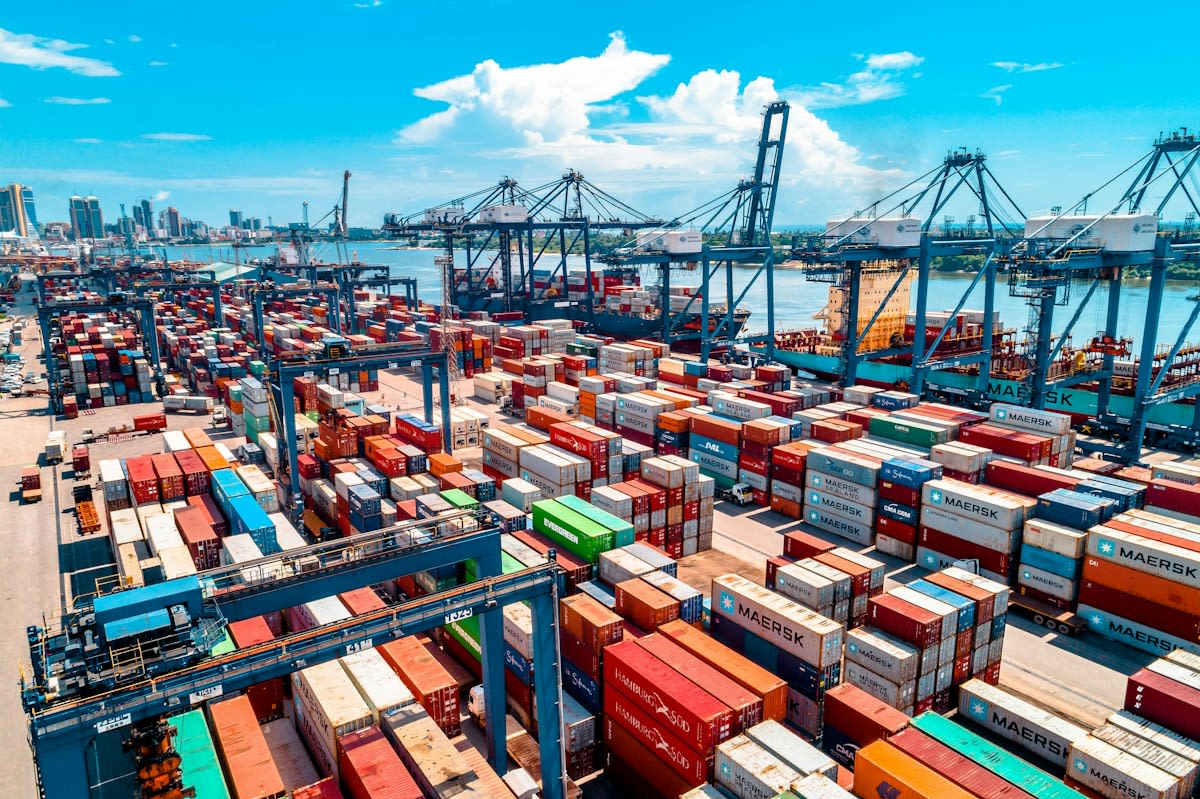
Logistics at the port of Tema in Ghana are equally fraught. Port congestion and bureaucratic infighting have turned the export process into a gamble. When a shipment is delayed by two weeks, the quality of the beans degrades in the humidity. The result is a high-priced commodity that arrives at the destination with a lower grade than promised. The arbitrage is failing.
The industry is now scrambling for alternatives that don't actually exist.
The Second-Order Collapse
We are entering the era of synthetic cocoa and 'cocoa-free' chocolate. Lab-grown fats and fermented proteins are being rushed into R&D. But this is a desperate move. The consumer's palate is not a software update; you cannot simply patch the taste of real chocolate. The mid-tier confectionery brands will be the first to die. They lack the pricing power of Nestlé and the agility of boutique chocolatiers.
- Shrinkflation: Reducing bar weight while maintaining price points.
- Recipe shifting: Increasing vegetable fat and sugar ratios to lower cocoa content.
- Contract defaults: Small-scale processors unable to fulfill long-term fixed-price agreements.
- Tiered Pricing: Premium chocolate moving from 'everyday luxury' to 'ultra-luxury' status.
The 'Fair Trade' facade is finally cracking. For years, certifications provided a moral shield for brands. But the price spike has revealed that these certifications did nothing to protect the farmers from systemic biological collapse. The farmers are still poor; the beans are just more expensive. The value capture is still happening in the processing hubs of Europe and North America, not in the groves of West Africa.
Fact-Check & Accuracy Note
Settled: The price spike is driven by a genuine supply deficit in West Africa. Debated: Whether the $10,000 peak was an organic market reaction or a speculative bubble driven by hedge fund positioning. Most evidence suggests a combination of both, with weather providing the trigger and speculators providing the fuel.