Bid To Revive Ladakh Lake That Shrunk By 70% In A Decade
Source Entity
NDTV News Search Records Found 1000
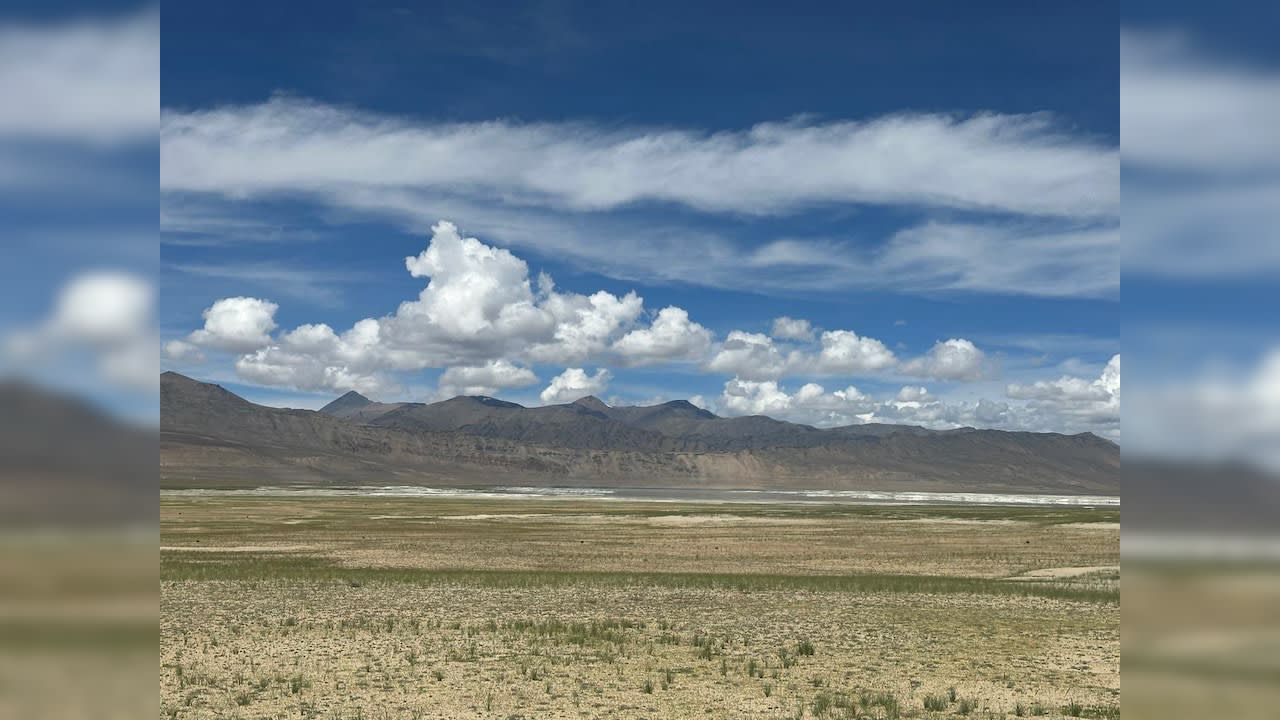
Authorities are launching a restoration project for Ladakh's Tso Kar lake, which has lost 70% of its surface area over the last decade. The initiative utilizes gravity-fed glacier water diversion to stabilize the ecosystem and combat rapid environmental decline.
The Crisis of Tso Kar: A Decade of Decline
The Tso Kar lake in Ladakh, a high-altitude saline wetland, is currently facing an existential threat, having shrunk by a staggering 70% over the past ten years. This rapid reduction in surface area highlights the precarious nature of Himalayan ecosystems, which are increasingly vulnerable to the shifting climate patterns and erratic precipitation cycles that define high-altitude desert regions. The loss of such a critical water body is not merely a geographic change; it represents a significant disruption to the local hydrology and the biodiversity that relies on these saline basins.
Engineering a Natural Solution
To address this depletion, local authorities and environmental planners have devised an innovative restoration strategy centered on gravity. By diverting glacier meltwater toward the Tso Kar basin, the project aims to replenish the lake's receding margins. This method relies on the natural topography of the region, utilizing a series of pre-existing natural depressions to channel water into the lakebed without the need for high-energy mechanical pumping systems. This approach is both cost-effective and environmentally sensitive, minimizing the carbon footprint of the intervention.
The Role of Glacial Hydrology
Glacier water serves as the lifeblood of the Ladakh region, acting as a natural reservoir that sustains communities and ecosystems during the arid summer months. However, as global temperatures rise, the stability of these glaciers is compromised, leading to unpredictable water availability. The decision to divert this water into Tso Kar is a strategic intervention intended to mitigate the effects of localized drought. By managing the flow of glacial melt, planners are attempting to artificially regulate the lake's water table, which has been severely impacted by the lack of consistent inflow.
Broader Environmental Implications
Beyond the immediate physical restoration of the lake, this project serves as a pilot study for climate adaptation in high-altitude environments. If successful, the gravity-fed diversion technique could be scaled to protect other wetlands across the Himalayas. These ecosystems act as vital carbon sinks and crucial habitats for migratory birds and rare fauna, making their preservation a matter of regional ecological stability. The restoration of Tso Kar is a proactive step in a broader effort to prevent the irreversible desertification of these unique high-altitude landscapes.
Looking Ahead: Sustainability and Governance
As the project moves forward, the long-term success of the Tso Kar restoration will depend on consistent monitoring and community involvement. The challenge lies in balancing the immediate need for water diversion with the long-term health of the glacial source. Future trends in Ladakh’s environmental management will likely prioritize similar nature-based solutions, emphasizing the integration of traditional ecological knowledge with modern engineering. Ultimately, this initiative is a vital attempt to preserve the integrity of a landscape that is rapidly changing under the pressures of a warming planet.
Verification Required?