Want to 'reset' ties with India, should be done through bilateral discussions: Bangladesh
Source Entity
India Latest News: Top National Headlines Today & Breaking News | The Hindu
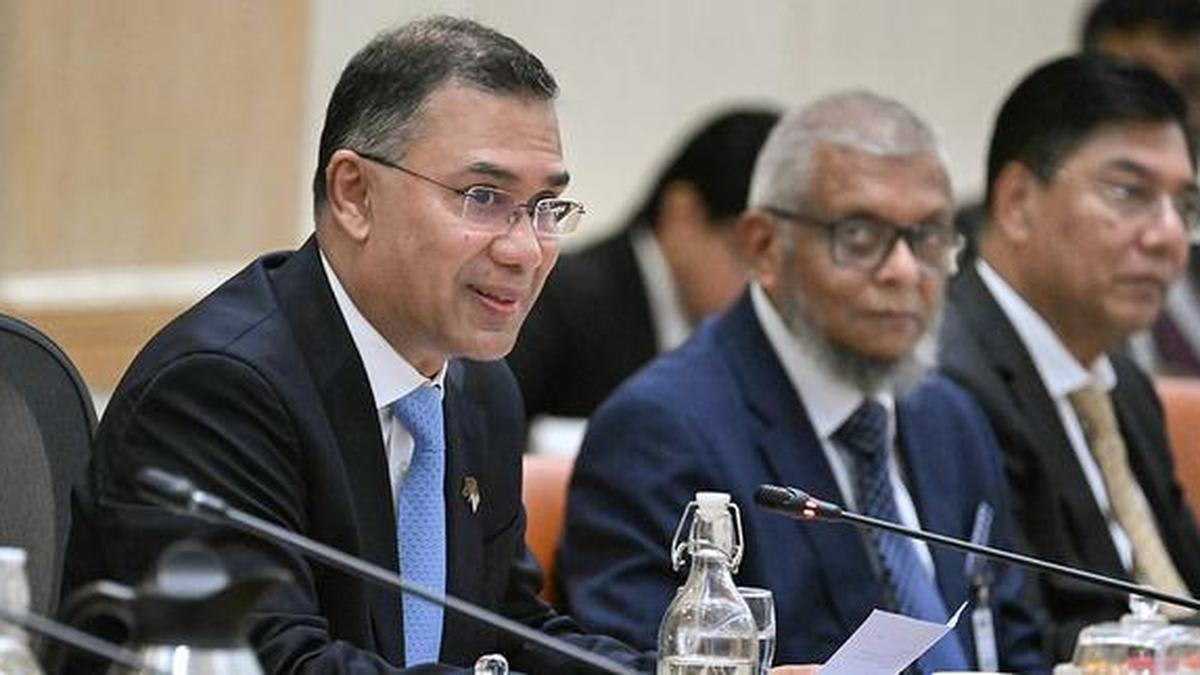
Bangladesh is seeking a diplomatic 'reset' with India to move past the strained relations following the ousting of Sheikh Hasina. Prime Minister Tarique Rahman has paused his planned visit to India, signaling a shift toward a more balanced, bilateral approach.
The Diplomatic Reset: India-Bangladesh Relations at a Crossroads
Recent developments indicate a significant pivot in the geopolitical landscape between India and Bangladesh. Following the deposition of former Prime Minister Sheikh Hasina and her subsequent refuge in New Delhi, the bilateral relationship has entered a period of profound strain. The current administration in Dhaka, led by Prime Minister Tarique Rahman, has explicitly expressed a desire to move beyond the "uncomfortable" dynamics that defined the previous era, aiming instead for a framework built on mutual interests rather than historical political alignments.
Shifting Priorities in Dhaka
State Minister for Foreign Affairs Humaiun Kobir has articulated a new vision for this partnership, emphasizing that Bangladesh must shed its "excessive preoccupation" with India. This rhetoric suggests a move toward a more pragmatic, non-aligned foreign policy. By focusing on a "reset," the Bangladeshi government is attempting to signal to its domestic audience and international observers that the era of asymmetrical reliance is ending, and a more balanced, state-to-state engagement is the new priority.
The Impact of the Hasina Row
At the heart of the current friction is the presence of Sheikh Hasina in India. Her continued stay in New Delhi has become a flashpoint for political tension, complicating diplomatic communications. This has manifested in tangible ways, most notably with Prime Minister Tarique Rahman putting his planned visit to India on hold. This diplomatic pause serves as a clear signal that Dhaka is unwilling to proceed with business as usual until the core irritants in the relationship are addressed through direct bilateral discussions.
BRICS and Regional Multilateralism
The complexity of these ties was further highlighted during the recent BRICS Summit. While India extended an invitation to Prime Minister Rahman in his capacity as the BIMSTEC chair, the lack of a separate, dedicated bilateral summit underscored the current cautious approach. The fact that the Prime Minister ultimately did not attend the summit highlights the fragility of the diplomatic channel, where even multilateral forums have become proxies for the deeper underlying grievances between the two neighbors.
Future Trends and Regional Stability
Looking forward, the path to normalization will likely depend on how both nations navigate the balance between sovereignty and regional security. The goal of a "reset" implies that both New Delhi and Dhaka recognize that a stable, functional relationship is essential for regional security and economic growth. However, future trends suggest that Bangladesh will likely exercise more independence in its foreign policy, potentially diversifying its strategic partnerships beyond the traditional India-centric model. The success of this reset will ultimately hinge on the ability of both nations to compartmentalize political disputes while fostering cooperation on trade, migration, and regional security under the BIMSTEC framework.
Multiple Citing Sources
Verification Required?