‘Some regional countries requested’: Iran after meeting with Gulf states in Oman postponed
Source Entity
KARAN MANRAL
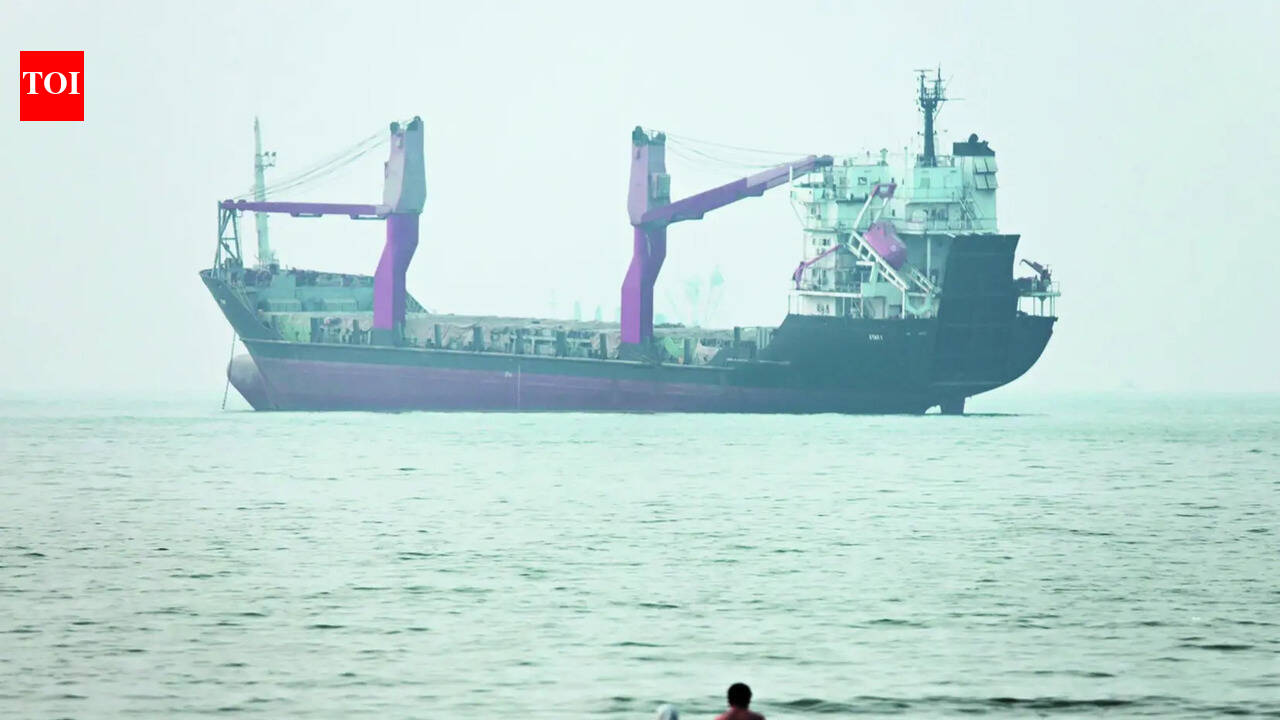
At the 18th BRICS summit in New Delhi, PM Modi and President Pezeshkian addressed the intersection of economic stability and regional security. Discussions centered on expanding the India-UAE-linked IMEC corridor and navigating rising geopolitical tensions in the Middle East.
BRICS 2026: Navigating Geopolitical and Economic Convergence in New Delhi
The 18th BRICS summit, hosted in New Delhi this September, has emerged as a critical diplomatic theater where the imperatives of economic development clash with the realities of intensifying global conflicts. As leaders gather, the focus has shifted toward balancing the bloc’s expansionist economic vision against the backdrop of a volatile Middle East.
Strengthening the India-UAE Strategic Axis
Prime Minister Narendra Modi’s bilateral engagement with the United Arab Emirates underscored a significant maturation in bilateral relations. By focusing on the India-Middle East-Europe Economic Corridor (IMEC) and energy infrastructure, India is signaling a commitment to long-term regional connectivity. This partnership is not merely transactional; it serves as a cornerstone for India’s broader strategy to integrate South Asian markets with global supply chains, effectively leveraging the UAE’s position as a logistical and financial gateway.
Iran’s Participation and the Security-Economy Link
President Masoud Pezeshkian’s presence in New Delhi highlights the complex internal dynamics of the BRICS bloc. His assertion that economic security is inseparable from national stability serves as a direct challenge to the status quo. By highlighting the 'dangerous phase' of US-led sanctions and ongoing regional military aggressions, Iran is actively lobbying for the bloc to adopt a more unified stance against Western economic pressure, framing these sanctions as obstacles to collective prosperity.
The Critical Importance of Maritime Security
Amidst the rhetoric, Prime Minister Modi’s emphasis on secure sea lanes and the safety of seafarers provides a pragmatic grounding to the summit's high-level discussions. With tensions spiking in the Middle East, the protection of maritime routes is no longer just a commercial necessity but a geopolitical imperative. This focus directly complements the IMEC discussions, as any instability in the Indian Ocean or the Persian Gulf threatens to undermine the very infrastructure projects the summit aims to advance.
Future Trends and Regional Implications
Looking ahead, the BRICS summit suggests a shift toward a multi-polar economic order that prioritizes regional security frameworks as a prerequisite for trade. As India continues to act as a bridge between the West and the Global South, the success of these initiatives will depend on its ability to navigate the conflicting interests of its partners. The ongoing dialogue between New Delhi and Tehran, coupled with the strengthening of the India-UAE corridor, points toward a future where regional powers take a more assertive role in defining their own economic destinies, independent of traditional Western-led financial mechanisms.
Multiple Citing Sources