"Move Towards New Relationship": Bangladesh Wants To Reset India Ties
Source Entity
NDTV News Search Records Found 1000
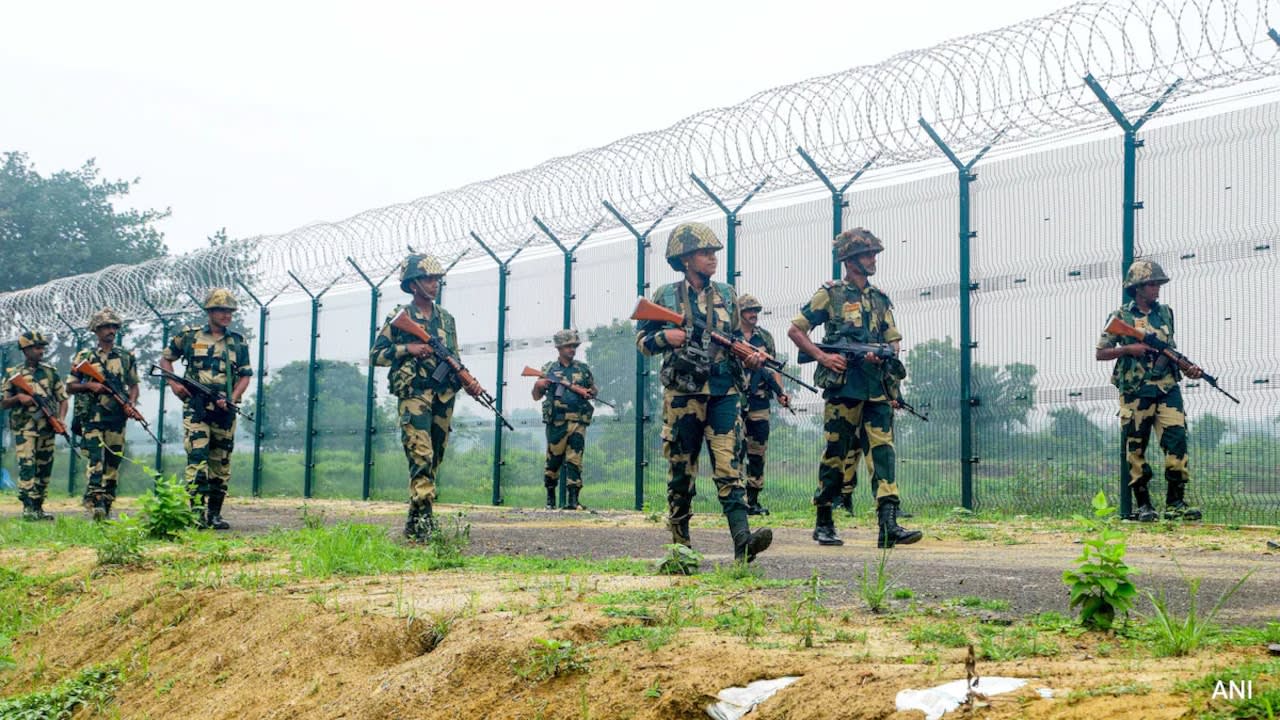
Bangladesh is seeking a strategic reset in diplomatic relations with India following recent tensions over the refuge granted to former leader Sheikh Hasina. Despite the current cooling of ties, both nations are signaling a shift toward a more balanced, interest-driven bilateral engagement.
The Shift in Indo-Bangladesh Diplomatic Relations
Recent diplomatic developments indicate a significant pivot in the relationship between New Delhi and Dhaka. Following a period of strained relations exacerbated by India's decision to provide refuge to deposed Prime Minister Sheikh Hasina, the government of Bangladesh has officially expressed a desire to "reset" its ties with its neighbor. This move signifies an attempt to move away from the "uncomfortable" dynamics that characterized the previous administration and transition toward a relationship defined by modern, mutual interests.
Moving Beyond the Hasina Legacy
The core of the current diplomatic friction stems from the political transition in Bangladesh and India's subsequent handling of Sheikh Hasina. By describing the previous era as "uncomfortable," the current administration in Dhaka is signaling that the historical reliance on personality-driven diplomacy is being replaced by a desire for state-to-state normalcy. The presence of the former Prime Minister in India remains a sensitive point, acting as a structural barrier that both nations are now attempting to navigate through formal, bilateral discourse.
The Role of Multilateral Platforms
Recent events, such as the BRICS Summit, have highlighted the complexities of this "reset." The decision of Prime Minister Tarique Rahman to skip the summit, coupled with the clarification that he was not the primary invitee, underscores the current state of flux. While India extended an invitation to Mr. Rahman in his capacity as the chair of BIMSTEC, the lack of a separate bilateral engagement suggests that the two countries are currently in a "wait-and-see" mode, prioritizing protocol over high-level political optics.
Toward a Balanced Engagement
State Minister for Foreign Affairs Humaiun Kobir’s call for ending an "excessive preoccupation" with India indicates that Bangladesh is seeking to diversify its foreign policy. This does not necessarily signal a decoupling, but rather a maturation of the relationship. By focusing on a balanced approach, Bangladesh aims to ensure that its sovereignty and economic priorities are addressed independently of the domestic political issues that have historically dominated the headlines.
Future Outlook and Strategic Implications
Looking ahead, the success of this "reset" will depend on whether both nations can separate symbolic grievances from substantive economic and security cooperation. India remains a critical partner for Bangladesh in regional stability and trade. If both parties can successfully shift the narrative toward mutual benefit, they may be able to stabilize a relationship that has long been vital to the security architecture of South Asia. The path forward will likely involve quiet, sustained diplomatic efforts to reconcile past differences while establishing a predictable framework for future collaboration.
Verification Required?