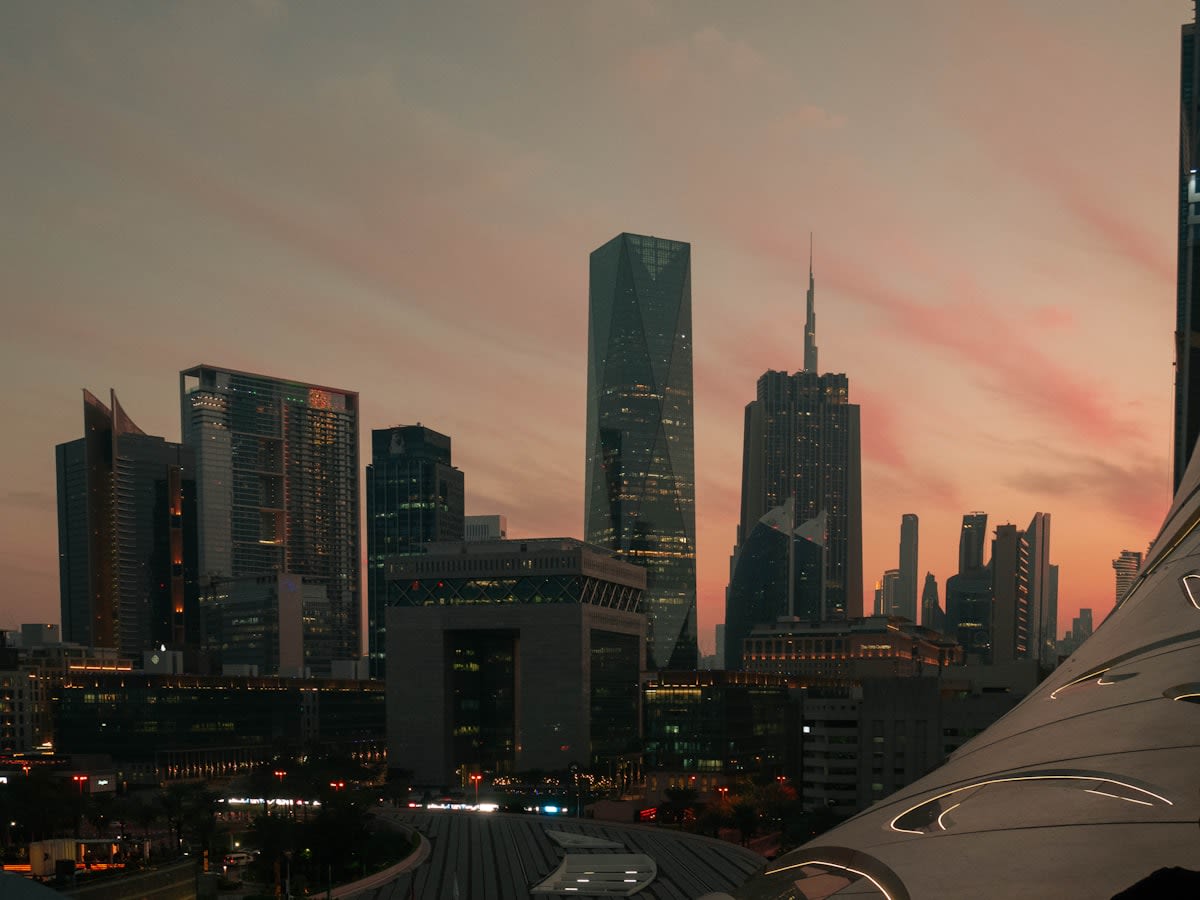
The Fragility of the Great Distance
For a century, we accepted a dangerous bargain: we outsourced our survival to a handful of rural breadbaskets in exchange for cheap, standardized calories. This rural monopoly created a linear, fragile pipeline where food traveled thousands of kilometers before hitting a plate. It was a system built for a world of stable climates and cheap diesel, a world that no longer exists. Why do we still trust a supply chain that treats a thousand-mile journey as a standard operating procedure? The inefficiency is not just environmental; it is a systemic vulnerability that leaves cities gasping whenever a shipping lane closes or a distant crop fails.
The shift we are witnessing now is not a quaint return to community gardening. It is a hard-nosed economic pivot toward urban polycultures—integrated systems of vertical farming, hydroponics, and fungal networks embedded directly into the city fabric. These are not hobbies; they are infrastructure. By collapsing the distance between production and consumption, cities are effectively seizing the means of nutrition. This isn't about organic labels or farmers' markets. It is about the strategic relocation of caloric production to the point of demand.
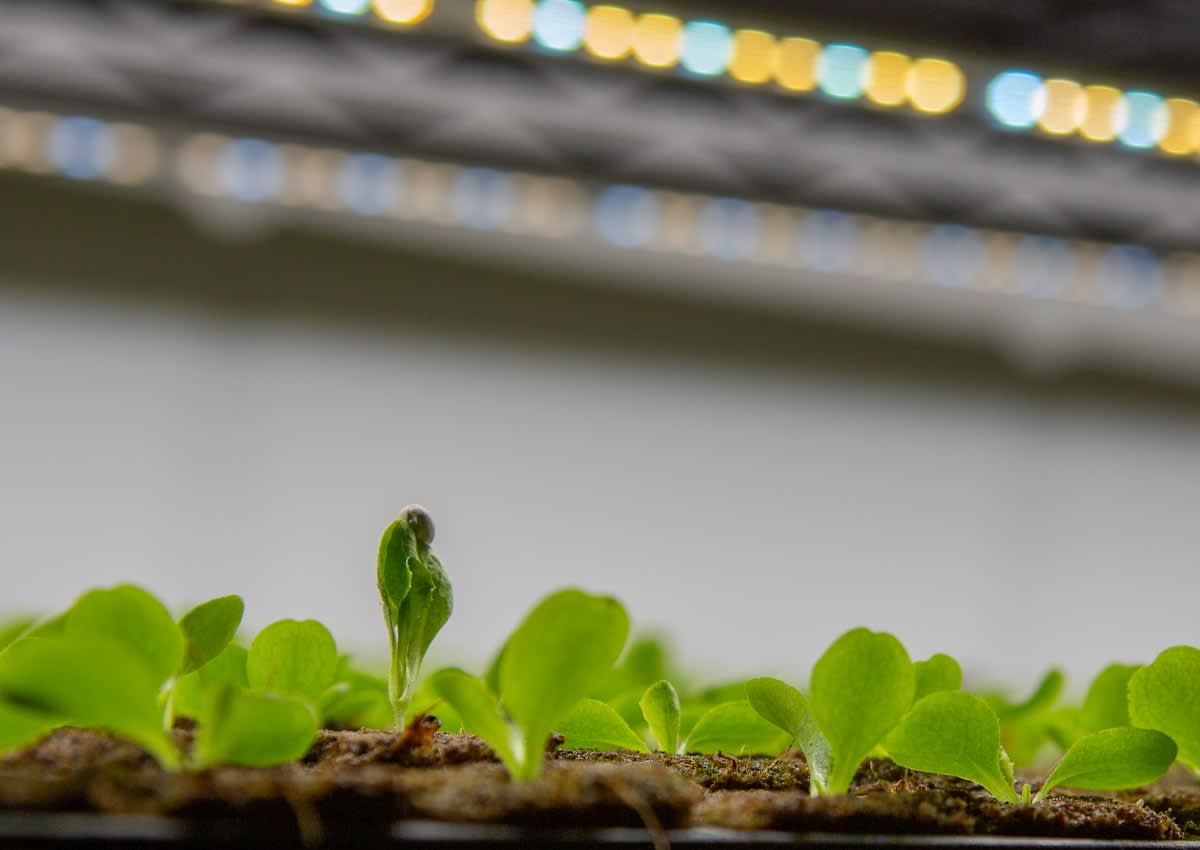
Consider the economic inversion happening here. In the rural model, land is the primary asset, and logistics is the primary cost. In the urban polyculture model, technology is the asset, and proximity is the profit. When you grow greens in a repurposed warehouse in Singapore or a rooftop in Paris, you eliminate the middleman, the refrigerated truck, and the plastic packaging. You trade the unpredictability of the weather for the precision of a climate-controlled sensor. This is a transition from biological gambling to industrial certainty.
| Metric | Traditional Rural Monopoly | Urban Polyculture System |
|---|---|---|
| Water Consumption | 100% (Baseline) | 5% - 10% (Closed-loop) |
| Average Transport | 1,500km - 3,000km | < 50km |
| Harvest Cycle | Seasonal / Annual | Continuous / Weekly |
| Land Efficiency | Low (Horizontal) | Extreme (Vertical/Stacked) |
| Waste Rate | 30% - 40% (Transit loss) | < 5% (Direct-to-consumer) |
The data reveals a brutal truth: the rural monopoly is leaking value at every stage. Between the farm gate and the city plate, nearly a third of the produce is lost to spoilage or bruising. Urban polycultures stop this bleed. By integrating production into the city's existing energy and waste streams, these systems turn a liability—urban waste—into an asset. Organic city waste becomes compost for rooftop beds; waste heat from data centers warms hydroponic reservoirs. The city stops being a parasite on the countryside and starts becoming a self-sustaining organism.
"We are moving from a world of food logistics to a world of food architecture. The goal is no longer to move calories efficiently, but to generate them where they are eaten."— Strategic Analysis of Urban Agronomy
This transformation is playing out globally, though the drivers differ by region. In the Middle East, where arable land is a fantasy, the push is driven by absolute necessity and sovereign security. In East Asia, the density of cities like Tokyo and Seoul forces a vertical evolution where every square meter must perform multiple functions. In Europe, the drive is a mix of regulatory pressure to reduce carbon footprints and a consumer demand for hyper-freshness. None of these shifts are accidental; they are calculated responses to the failure of the long-haul supply chain.
Beyond the Distance
The 'Food Mile' is a lazy metric. The real story is the 'Resource Loop.' It is not just about how far the food travels, but how many times the water and nutrients are recycled before they leave the system.
But let's be contrarian: is this just a playground for the wealthy? Critics argue that vertical farms only produce expensive microgreens for high-end restaurants. This is a narrow view of the trajectory. The first wave of any technology is always a luxury good. The second wave is about scale and diversification. We are already seeing the integration of calorie-dense crops and protein sources, like insect farming and lab-grown mycelium, into these urban hubs. The goal is not to grow a salad; it is to build a caloric fortress.
Projected Growth of Urban Ag-Tech Market (2020-2030)
Executive Insight
+18.4%
YTD Growth
The financial shift is equally stark. Traditional agriculture relies on land ownership—a static, slow-moving asset. Urban polyculture relies on intellectual property, energy efficiency, and software. The power is shifting from the landlord to the operator. When a company can grow 100 times the yield of a traditional farm on 1% of the land using a proprietary nutrient mix, the rural monopoly loses its primary lever of control: the land. The city is no longer just buying food; it is buying the technology to produce it.
We must also address the energy paradox. Yes, LEDs and climate control require power. But when you factor in the removal of thousands of refrigerated trucks and the reduction in water waste—up to 95% in some closed-loop systems—the math begins to tilt. The real win happens when urban farms integrate with renewable grids. Imagine a city where the peaks of solar production during the day power the lighting arrays of vertical farms. The food system becomes a battery for the city's energy grid.
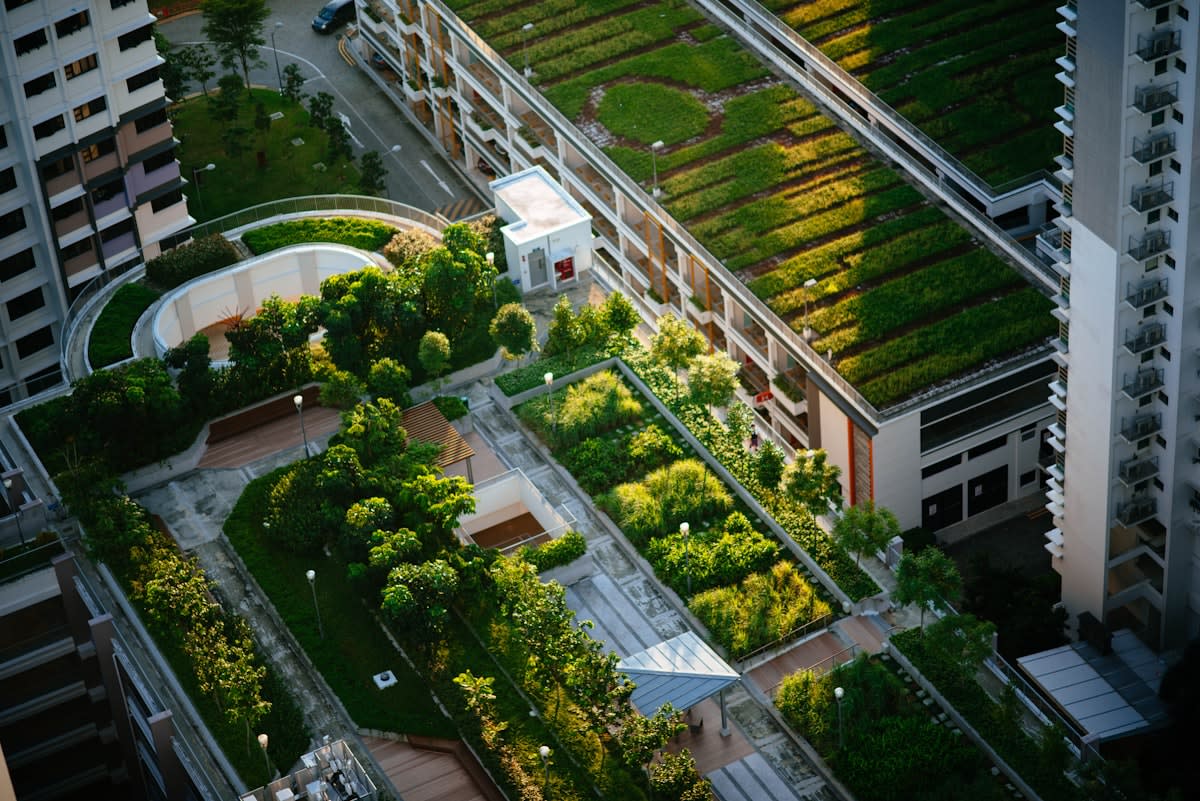
What happens to the rural landscape in this new order? It doesn't disappear, but its role changes. The countryside can stop being a factory for monoculture corn and soy—which destroys soil health—and return to being a site of biodiversity and carbon sequestration. The 'death' of the rural monopoly is actually the liberation of the rural landscape. By moving the bulk of our nutrient needs into the city, we allow the countryside to breathe again, shifting from industrial exploitation to ecological restoration.
The New Architecture of Nutrition
The final stage of this rewiring is the decentralization of the food chain. We are moving toward a 'mesh network' of production. Instead of one giant farm feeding ten cities, we will have ten thousand small-scale urban hubs feeding their immediate neighborhoods. This removes the single point of failure. If one urban farm goes offline, the city doesn't starve; it simply reroutes its demand to the next hub in the mesh. This is resilience by design, not by accident.
This is the end of the era of the great distance. The rural monopoly was a product of the steam engine and the highway; the urban polyculture is a product of the sensor and the circuit. The question is no longer whether the city can feed itself, but how quickly the old guard will realize that their land is no longer the only way to control the food supply. The circuitry is already being laid. The rewiring is already complete.