Telangana CM asks Irrigation officials to continue dialogue with Maharashtra on Tummidihatti barrage
Source Entity
India Latest News: Top National Headlines Today & Breaking News | The Hindu
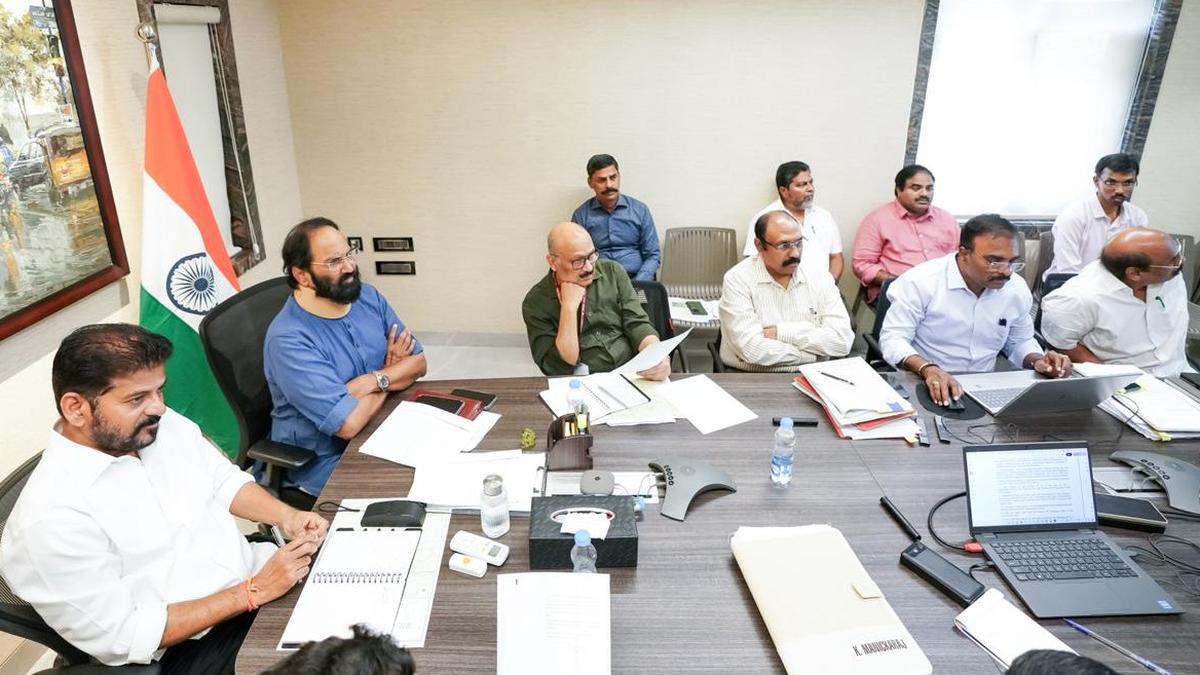
Telangana Chief Minister Revanth Reddy has directed state officials to maintain collaborative dialogue with Maharashtra regarding the proposed Tummidihatti barrage. The government is prioritizing data transparency and impact assessment to navigate cross-border irrigation project complexities.
Strategic Water Diplomacy: The Tummidihatti Barrage Initiative
Telangana Chief Minister A. Revanth Reddy has initiated a proactive stance regarding the long-standing issue of the Tummidihatti barrage, situated across the Pranahita river. By directing Irrigation Department officials to foster a positive rapport with their counterparts in the Maharashtra government, the Chief Minister is signaling a shift toward cooperative federalism in water resource management. This move is essential for resolving the logistical and political impasses that often plague inter-state river projects in India.
Prioritizing Technical Preparedness and Transparency
A core component of the Chief Minister’s directive involves meticulous preparation for upcoming negotiations. Officials have been tasked with compiling comprehensive datasets, specifically focusing on the potential submergence zones associated with a proposed 152-meter Full Reservoir Level (FRL). By mandating that all relevant technical documents and historical agreements be transparently shared with the Maharashtra government, the administration is attempting to build institutional trust, which is often a prerequisite for moving large-scale infrastructure projects from the planning phase to execution.
The Significance of the Pranahita River
The Pranahita river is a critical lifeline for the region, and the proposed barrage at Tummidihatti represents a significant attempt to harness its potential for local agricultural and industrial needs. However, cross-border projects are inherently complex due to the conflicting interests of riparian states. The requirement to evaluate submergence levels suggests that the government is acutely aware of the environmental and socio-economic displacement risks, aiming to mitigate these through data-driven planning rather than unilateral action.
Navigating Inter-State Cooperation
Inter-state water disputes have historically been a point of contention in Indian politics, often leading to protracted legal battles. By emphasizing the need for a continued dialogue, the Telangana government is attempting to bypass the adversarial nature of these disputes. This approach reflects a broader trend in regional governance where political leaders recognize that infrastructure development is contingent upon mutual understanding and the alignment of technical data between neighboring states.
Future Implications and Policy Direction
As the irrigation department prepares its data, the outcome of these discussions will likely set a precedent for how Telangana handles future resource management projects. If the exchange of documents and the collaborative dialogue prove successful, it could serve as a template for resolving other outstanding water-sharing issues in the Godavari basin. The emphasis on the 152-meter FRL threshold indicates that the administration is operating with a clear technical framework, which is vital for long-term project viability.
Conclusion
In summary, the directive from Chief Minister Revanth Reddy underscores a commitment to evidence-based decision-making and diplomatic engagement. By focusing on transparency and open communication with the Maharashtra government, Telangana is positioning itself to address the complexities of the Tummidihatti barrage project constructively. The focus now remains on the upcoming technical exchanges, which will determine the feasibility and timeline for this critical infrastructure development.
Verification Required?