BMC cracks down on illegal structures after Supreme Court freezes chief’s salary
Source Entity
The Indian Express
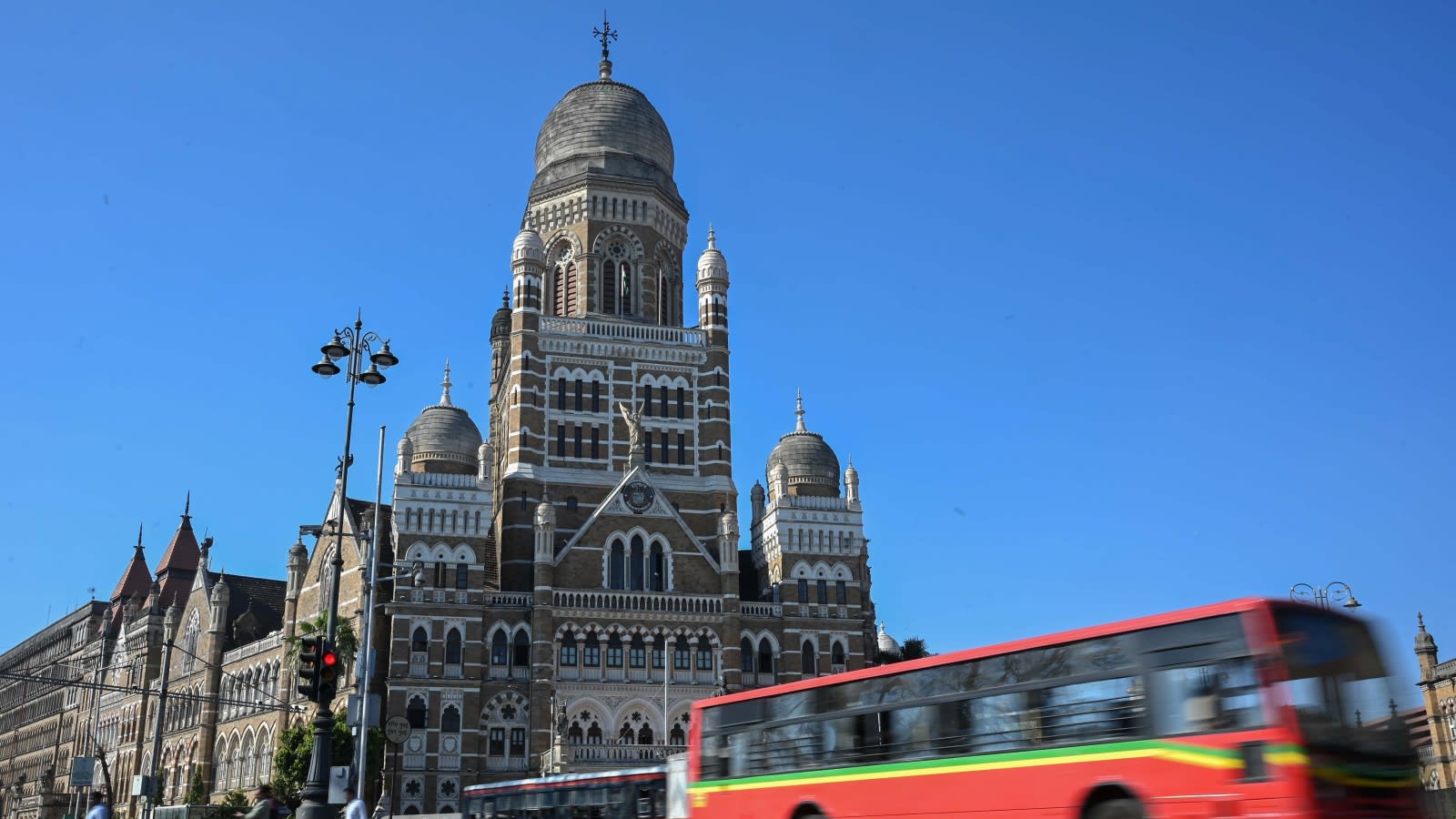
The Supreme Court has frozen the salary of BMC Commissioner Ashwini Bhide and imposed a fine on the civic body for failing to remove encroachments in Borivali. Following the court's intervention, the BMC immediately initiated a demolition drive to clear the unauthorized structures.
Judicial Intervention in Urban Governance
The Supreme Court of India recently took a drastic step by ordering a freeze on the November salary of Brihanmumbai Municipal Corporation (BMC) Commissioner Ashwini Bhide. This punitive action stems from the civic body's failure to comply with judicial directives regarding the removal of illegal encroachments on land earmarked for a crucial bus station project in Borivali. The bench, led by Chief Justice of India Surya Kant, further imposed a penalty of Rs 5 lakh on the municipal corporation, signaling the judiciary's growing frustration with administrative lethargy.
The Question of Collusion and Compliance
During the proceedings, the Supreme Court bench expressed deep skepticism regarding the delay, openly questioning whether there was active collusion between municipal officials and the encroachers. This concern highlights a systemic issue often seen in urban planning, where unauthorized structures persist despite clear legal mandates for their removal. The refusal of the court to grant an additional 30-day extension to the BMC underscores a shift toward holding individual officers personally accountable for institutional failures.
Immediate Administrative Response
In a direct reaction to the Supreme Court's order, the BMC launched an aggressive demolition drive on Wednesday morning. Civic authorities targeted unauthorized shops, shanties, and commercial units on a plot in Borivali East that was specifically reserved for a BEST electrical substation. This rapid mobilization demonstrates how judicial pressure acts as a catalyst for local governance, forcing action on files that had previously remained stagnant.
Broader Implications for Civic Accountability
The freezing of a high-ranking official's salary is a rare and severe measure that sets a significant precedent for administrative accountability in India. By targeting the individual in charge, the Supreme Court is challenging the culture of bureaucratic immunity. This event serves as a warning to other municipal bodies across the country that persistent non-compliance with court orders will no longer be met with mere warnings, but with tangible personal and institutional consequences.
Historical Context and Future Trends
Urban planning in Mumbai has long been hampered by the struggle between infrastructure development and the proliferation of illegal settlements. The court’s intervention highlights the tension between public utility needs—such as bus stations and electrical substations—and the reality of land encroachment. Moving forward, it is likely that the judiciary will continue to utilize such stringent measures to ensure that land designated for public infrastructure is reclaimed, potentially leading to more proactive enforcement by local bodies to avoid similar legal repercussions.