
The global food system is operating on a precarious gamble. For decades, the industry has chased a singular metric: maximal yield. This obsession created a landscape of genetic uniformity where vast swaths of the planet grow identical crop strains, optimized for a narrow set of conditions and heavily dependent on chemical inputs. We have essentially traded our biological insurance policy for a short-term spike in productivity. But what happens when the conditions change? When a single pathogen or a shifted weather pattern hits a genetically identical population, the failure is not localized; it is systemic.
Why did we allow this fragility to become the standard? The answer lies in the consolidation of power. Markets have been systematically squeezed by monopolies, leaving farmers trapped between high-cost inputs and low-return outputs. As noted by industry observers like Thomas Schrader, the price of seeds and chemicals is kept artificially high by giants like Monsanto, while foodstuff conglomerates such as Kraft keep the returns for the producers low. This economic pincer movement forces farmers into a cycle of dependency, where the only way to survive is to double down on the very monocultures that increase their long-term risk.
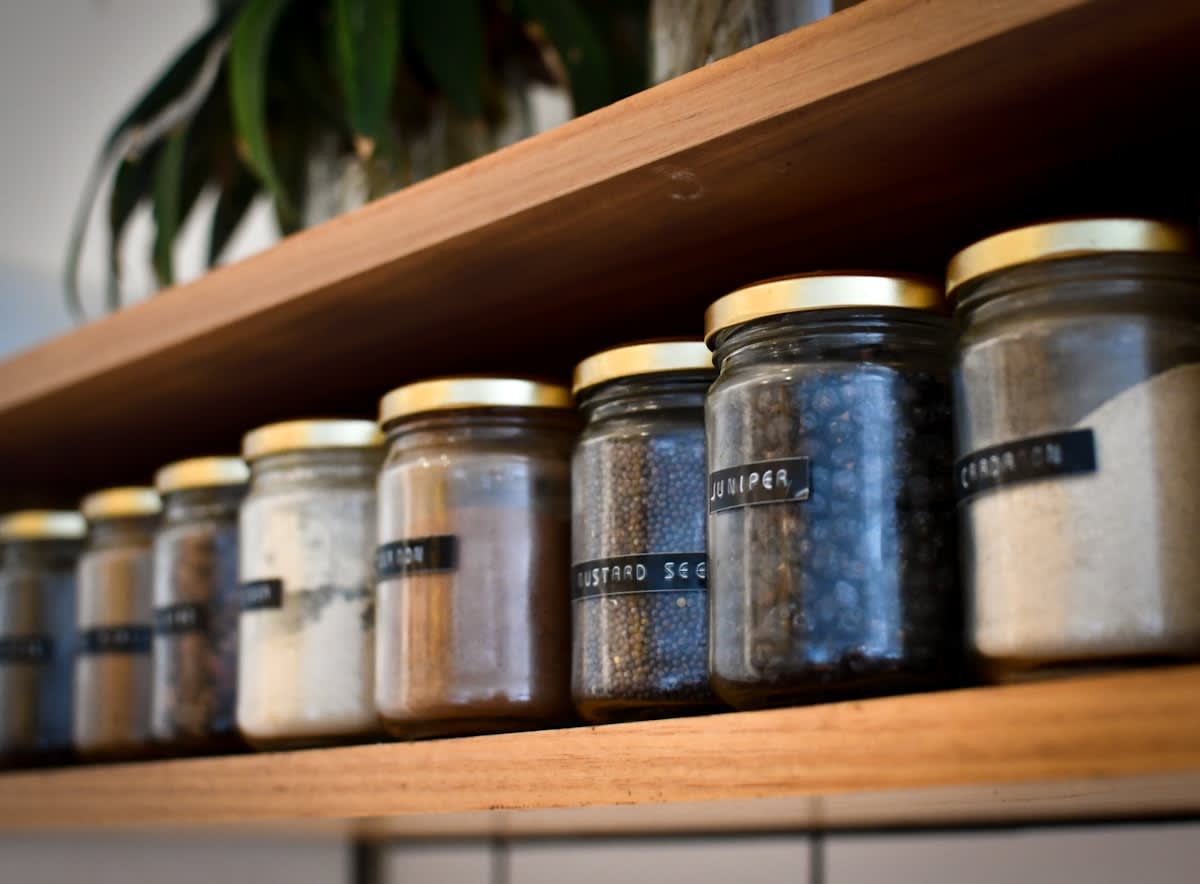
The Hidden Cost of Uniformity
The danger of the monoculture is not theoretical; it is written into the soil. In humid conditions, the pursuit of maximal planting density has directly increased the incidence of devastating diseases. Specifically, high-density planting is linked to a rise in white mold (Sclerotinia sclerotiorum) in soybeans and late blight (Phytophthora infestans) in potatoes. When every plant in a thousand-acre field is a genetic clone, there is no natural firewall to stop the spread. We have created a high-speed highway for pathogens.
This biological erosion extends beyond the laboratory. In East Africa, agricultural scientist Dr. Dinah Borus highlights a disturbing trend: the disappearance of companion crops. These plants once grew alongside primary staples, providing natural pest control and nutrient cycling. Now, replaced by heavy chemical use and monoculture, the soil has grown less nutritious and the seasons have lost their rhythm. Is it any wonder that the land is struggling to breathe when we have stripped away its natural support systems?
"Why have the seasons stopped following their rhythm? Why has the soil grown less nutritious? Where did the companion crops go?"— Dr. Dinah Borus
The economic trauma of this systemic fragility is not new. The 1980s farm crisis serves as a grim blueprint, where an estimated 300,000 farms went bankrupt or faced foreclosure due to a lethal combination of declining crop prices, massive debt, and high interest rates. Today, shrinking profit margins and escalating supply costs are creating eerily similar conditions. The question is no longer whether the current model is sustainable, but how many more cycles of collapse we can endure before the system breaks entirely.
Strategic Pivot
The shift from 'maximal' to 'optimal' planting density is not just a farming tweak; it is a strategic pivot toward risk mitigation. By prioritizing ecosystem health over raw volume, producers can reduce disease pressure and long-term input costs.
Despite these risks, transitioning to agroecological systems is fraught with friction. Farmers are often risk-averse, and for good reason. Moving away from conventional systems involves short-term yield variability and increased management costs. More critically, existing agricultural subsidy frameworks are still geared toward input-intensive monocultures. These policies fail to compensate farmers for the public good they provide when they protect genetic diversity or restore soil health, effectively subsidizing the very fragility that threatens global food security.
This is where the strategic value of heirloom and traditional seeds becomes apparent. They are not merely nostalgic relics; they are genetic repositories of resilience. Traditional seeds have evolved over millennia to survive local pests, droughts, and floods. By reintegrating these seeds, we are essentially downloading thousands of years of survival data back into our fields.
| Metric | Conventional Monoculture | Agroecological/Diverse System |
|---|---|---|
| Genetic Profile | Uniform/Cloned | Diverse/Heirloom |
| Weed Pressure | High (Requires Chemicals) | Reduced (45.7% to 55.8% via rotation) |
| Disease Risk | Systemic (High density = High blight) | Localized (Natural firewalls) |
| Economic Driver | Maximal Yield/Subsidies | Optimal Resilience/Long-term Stability |
| Input Dependency | High (Corporate Monopolies) | Low (Seed Saving/Companion Planting) |
The data supports this shift. Research indicates that rotations alternating soybean with small grains—such as wheat and foxtail millet—can reduce the weed seed bank by 45.7% to 55.8% compared to continuous monocultures. This is a massive reduction in the need for chemical herbicides. Furthermore, while soybean-inclusive rotations might increase the variety of weed species, they decrease the overall dominance of the most harmful ones. Diversity, in every sense, creates a more stable equilibrium.
We are beginning to see a geopolitical shift in how genetic resources are viewed. The BRICS declaration recently emphasized the need to ensure that traditional seeds do not become extinct. By recognizing the role of traditional seeds in the context of climate change and food security, these nations are positioning genetic diversity as a matter of national security. The creation of the BRICS AgriN (Agro Input, Genetic Resources and Information Network) suggests a move toward decoupling food security from the control of a few Western conglomerates.
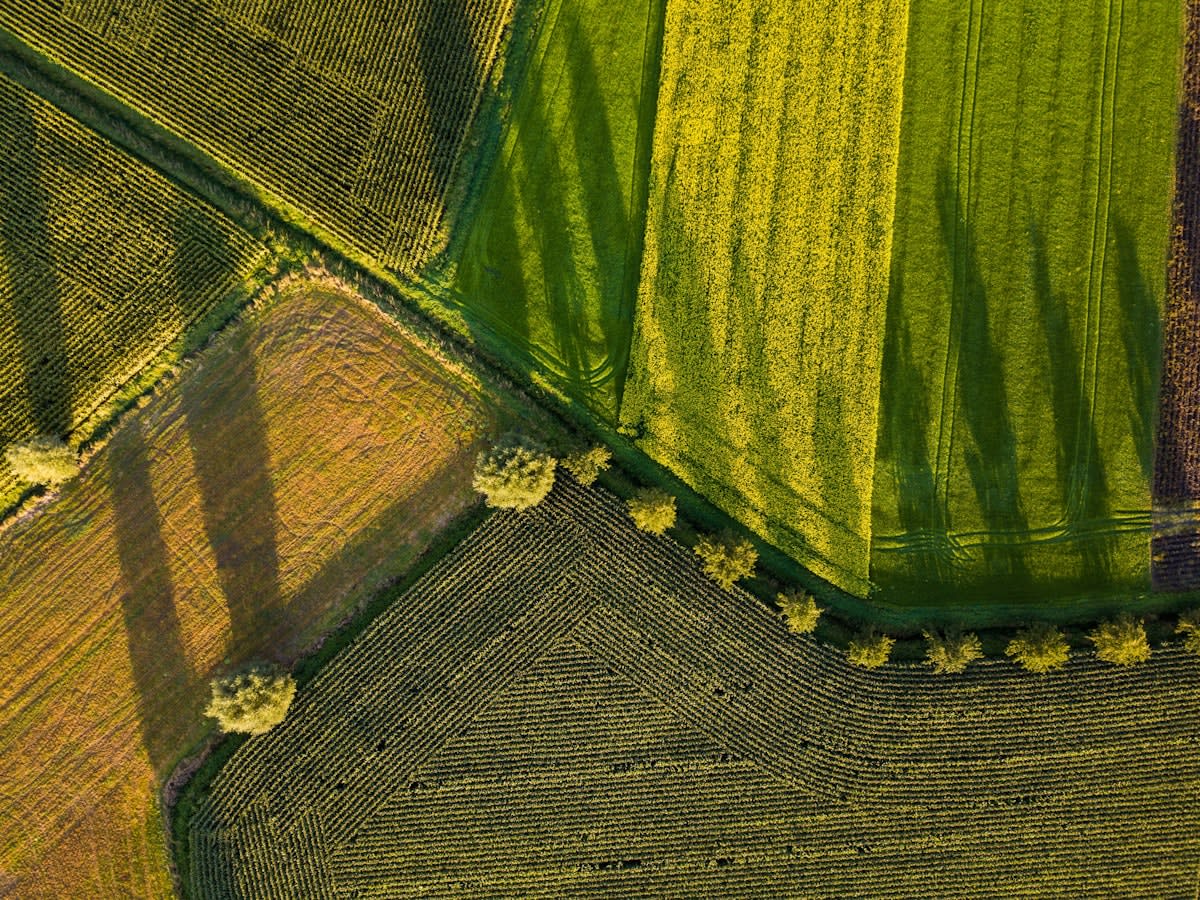
However, the 'Secret Weapon' is not just about looking backward. The most effective strategy is a hybrid approach: combining traditional genetic resilience with cutting-edge precision. In Sudan, the Boosting Agrifood Systems Resilience (BOOST) project, a partnership between CIMMYT and the World Food Programme, is supporting over 230,000 farming households. Their goal is the production of nearly one million metric tons of cereals and pulses—enough to meet the annual needs of almost nine million people—by improving seed systems and promoting resilient farming practices.
Similarly, ICRISAT has secured gene-editing licenses to develop climate-resilient crops specifically for smallholder farmers. This is not about creating 'Franken-seeds' for corporate profit, but about accelerating the adaptation of crops to handle frequent droughts and floods. By applying modern tools to the goal of resilience rather than just yield, we can provide smallholders with the tools to increase productivity without expanding cultivated land.
The convergence of conflict, climate shocks, and economic instability requires a move away from the 'emergency response' model of food security. As the CIMMYT and WFP partnership suggests, true security begins with protecting people during crises and continues by helping them rebuild with better, more resilient seeds. We must stop treating seed failure as an act of God and start treating it as a failure of design.
The systemic shift we need is a transition from a 'maximalist' mindset to an 'optimalist' one. This means accepting that the highest possible yield in a perfect year is less valuable than a reliable, moderate yield in a volatile year. It means restructuring subsidies to reward farmers who maintain seed banks and practice crop rotation. It means breaking the monopolies that keep the genetic keys to our food supply in the hands of a few.
Ultimately, the genetic vault of heirloom seeds is our only real hedge against the unknown. We do not know which pest will emerge next or how the rainfall patterns in East Africa or the Americas will shift by 2030. But we know that a system with a thousand different genetic responses is more likely to survive than a system with only one. The secret weapon isn't a specific seed—it is the diversity itself.