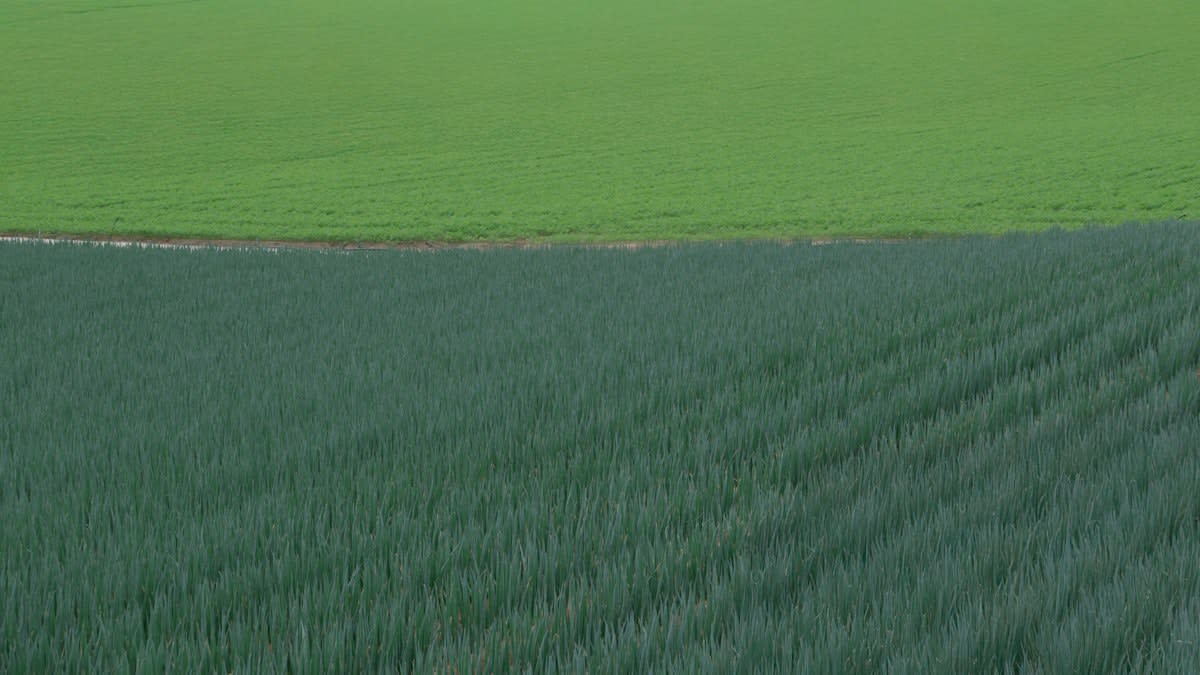
September 2026 has marked a pivotal inflection point in how the global community views the concept of 'arable land.' For decades, the narrative was one of scarcity and desperate preservation. But a new pattern is emerging: we are no longer just protecting the soil we have; we are genetically engineering the ability to use the soil we previously ignored. The shift is subtle but systemic, moving from a defensive posture of land conservation to an offensive strategy of biological adaptation. Why are we suddenly seeing this convergence of high-level diplomacy and root-level genetics?
The Legislative Fortress: China's Arable Land Strategy
While some regions look toward the lab, others are turning to the law. In a massive move to secure domestic food stability, China's Standing Committee of the National People's Congress adopted a new Farmland Protection Law on August 28, 2026 (Source: Global Agriculture, 2026). This isn't just a bureaucratic update; it is a formalization of rules designed to stop the hemorrhaging of cultivated land and hold local officials personally accountable for food security targets. The scale is staggering: the law aims to safeguard 1.8 billion mu of cultivated land (Source: Global Agriculture, 2026).
The strategy extends beyond mere protection into aggressive upgrading. By July 2026, China's Ministry of Agriculture and Rural Affairs reported the cumulative construction of over one billion mu of 'high-standard farmland,' which incorporates advanced irrigation, drainage, and consolidation improvements (Source: Global Agriculture, 2026). The trajectory is clear: the goal is to reach 1.35 billion mu of this upgraded land by 2030. This represents a shift from passive farming to an engineered landscape, utilizing over 300,000 agricultural drones to maintain precision in these high-yield zones (Source: Global Agriculture, 2026).
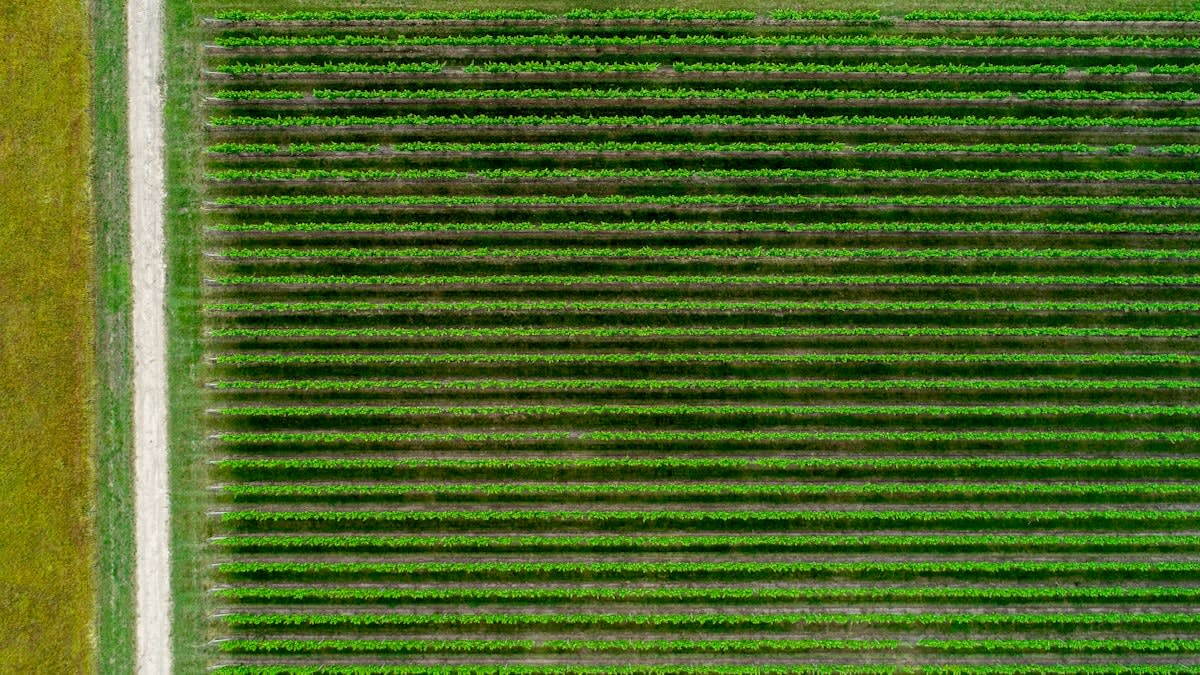
This legislative aggression creates a fascinating tension. While China builds a fortress around its existing soil, the rest of the world is realizing that the 'fortress' approach has a ceiling. You can only optimize a piece of land so many times before you hit biological limits. This is where the conversation shifts from protection to expansion—specifically, expansion into saline environments.
The Genetic Frontier: Unlocking the Halophyte Code
Enter the halophytes—plants that don't just tolerate salt but thrive in it. In the United States, researchers at LSU are currently diving into the mechanics of salt-tolerant plant roots to build more resilient crop varieties (Source: LSU Science, 2026). The goal is to decode the genetic pathways that allow these plants to manage osmotic stress and ion toxicity, effectively turning 'dead' saltwater land into productive acreage. One of the most promising candidates in this space is the fodder beet, a halophyte capable of growing in salt-affected areas globally to provide essential livestock feed (Source: LSU Science, 2026).
"By strengthening collaboration between IICA, FAO, and other organizations... we can support American farmers through science-based international standards, cutting-edge biotechnology, and robust plant and animal health defenses."— US Delegation representative during meetings with the Inter-American Institute for Cooperation on Agriculture (IICA), 2026
This isn't just a laboratory curiosity. The diplomatic weight behind this is evident in recent high-level meetings between a senior US delegation and the Inter-American Institute for Cooperation on Agriculture (IICA), which supports 34 member countries (Source: Farms.com, 2026). The discussions focused on utilizing cutting-edge biotechnology to safeguard food supplies across the Americas and the Caribbean. When the US and IICA talk about 'science-based international standards,' they are talking about the regulatory framework required to move genetically modified salt-tolerant crops from the greenhouse to the global market (Source: Farms.com, 2026).
From a practitioner's perspective, the real friction isn't in the science—it's in the soil. On the ground, agronomists are debating whether halophytes should be used as primary crops or as 'pioneer species' to desalinate land for traditional crops. There is a fierce internal debate about the long-term impact of halophyte cultivation on soil chemistry. Do these plants actually remove salt, or do they simply sequester it in their tissues? The answer dictates whether we are creating a permanent new agricultural zone or merely buying time for traditional grains.
Climate-Proofing the Global Supply Chain
The urgency of these genetic breakthroughs is echoed in the corporate sector. The 'Climate Smart 2026' initiative, highlighted by FoodNavigator and AgNavigator, is specifically focusing on climate-proofing the supply chains of critical ingredients like cocoa, coffee, and rice (Source: AgNavigator, 2026). These crops are notoriously sensitive to environmental shifts. For rice, in particular, the encroachment of saltwater into deltas is a systemic threat that only halophyte genetics can truly solve.
| Strategy | Primary Mechanism | Key Example | Primary Goal |
|---|---|---|---|
| Legislative Protection | Law & Accountability | China's Farmland Law 2026 | Prevent land loss |
| Infrastructure Upgrade | Precision Ag/Irrigation | High-standard Farmland | Maximize yield per mu |
| Genetic Adaptation | Halophyte Research | LSU Salt-tolerant Roots | Expand arable boundaries |
| Supply Chain Pivot | Sustainable Sourcing | Climate Smart 2026 | Ingredient security |
When we compare the data from early 2025 to September 2026, the 'Delta' is clear. A year ago, the focus was on regenerative agriculture—improving the health of existing soil. Today, the focus has shifted toward 'Climate-Smart' innovation and biotechnology (Source: AgNavigator, 2026). We are moving from 'healing' the land to 're-engineering' the plant. This represents a fundamental shift in the agricultural paradigm: the acceptance that some environments are permanently altered, and the biology must change to match the environment, not the other way around.
China's High-Standard Farmland Expansion (Mu)
Executive Insight
+18.4%
YTD Growth
This convergence of interests—Chinese legislative power, American genetic research, and global corporate supply chain desperation—suggests that the 'Saltwater Harvest' is no longer a fringe scientific theory. It is becoming a strategic imperative. The ability to grow fodder beets or salt-tolerant rice in regions previously deemed wasteland is the ultimate hedge against an unpredictable climate.
Fact-Check & Accuracy Note
This article is based on reported data from September 2026. Key claims regarding China's Farmland Protection Law and high-standard farmland targets are sourced from Global Agriculture (2026). Genetic research on salt-tolerant roots and fodder beets is attributed to LSU Science (2026). Diplomatic efforts are sourced from Farms.com (2026) and supply chain trends from AgNavigator (2026). Ongoing debate remains regarding the long-term soil impact of halophyte cultivation.
Editorial Perspective
Editorial Note: The transition from 'regenerative' to 'adaptive' agriculture marks a critical shift in the industry. While regenerative practices are vital, the emergence of halophyte genetics suggests a new era of 'biological expansion' that could decouple food security from traditional land availability.