Elon Musk's business empire faces political headwinds as Texas turns blue in Democratic wave
Source Entity
Latest News: Todays Latest News Headlines from India & World | Hindustan Times
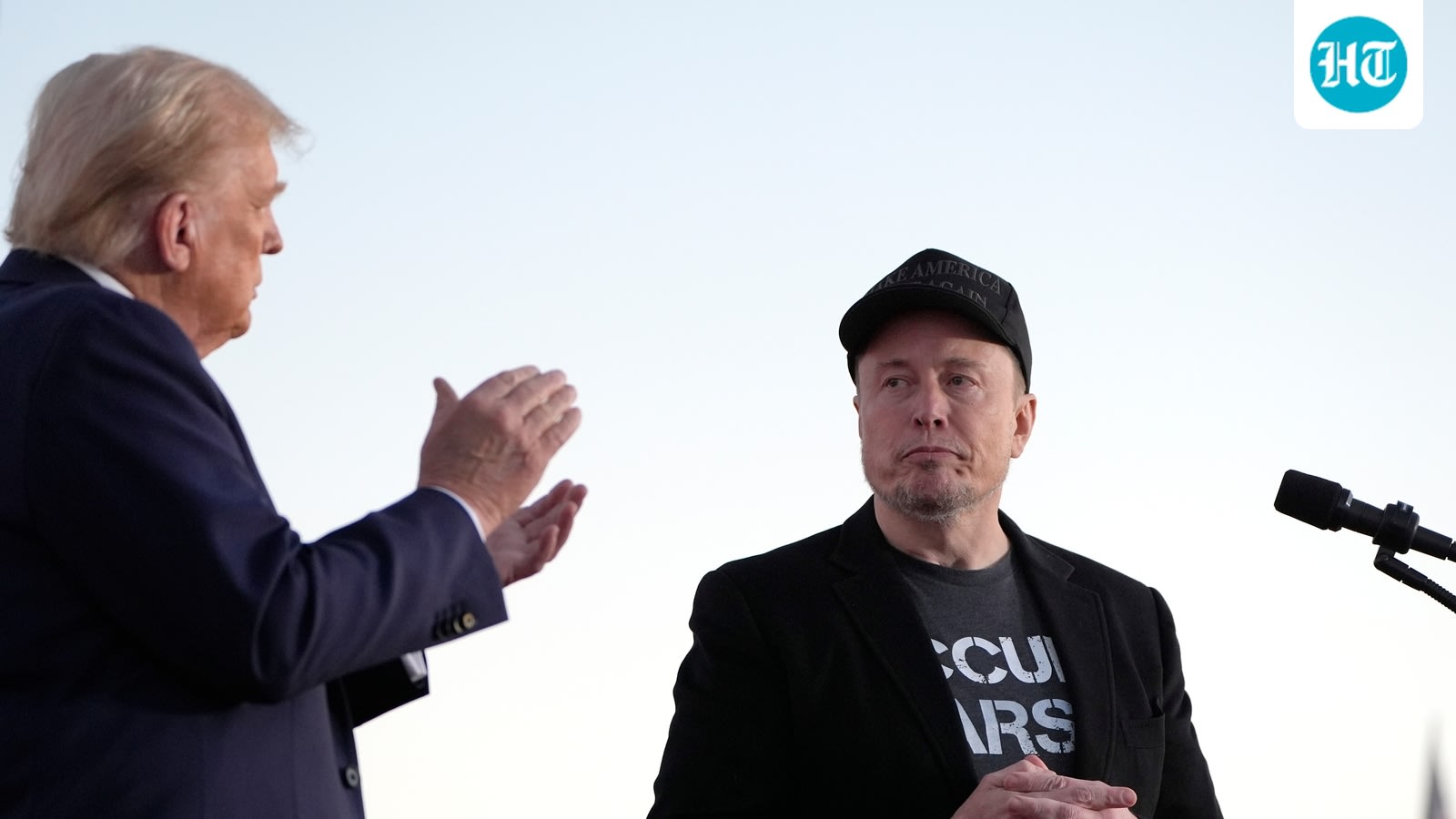
Elon Musk's $445 million investment in Republican candidates failed as Democrats secured a major midterm victory. The results caused a market dip for Tesla and SpaceX and signaled a shift in voter sentiment regarding billionaire influence.
The High Cost of Political Influence: Musk's Midterm Setback
Elon Musk’s recent foray into American electoral politics has resulted in a significant financial and political misalignment. With an estimated $445 million spent on supporting Republican candidates and causes—including a substantial $224 million specifically funneled into Texas—the tech mogul has faced what many are characterizing as a "horrible night." The electoral outcome, which saw Democrats secure control of Congress, serves as a stark reminder of the limits of financial leverage in influencing democratic processes.
The Texas Turning Point
The most dramatic shifts occurred in Texas, a state that serves as the corporate headquarters for both Tesla and SpaceX. The election of James Talarico to the U.S. Senate and Gina Hinojosa to the governorship marks a historic Democratic resurgence, ending decades of Republican dominance. For Musk, whose infrastructure and workforce are deeply embedded in the Texas landscape, this political realignment represents a fundamental change in the regulatory and legislative environment in which his companies operate.
Market Volatility and Investor Sentiment
Following the election results, the stock market reflected the uncertainty surrounding Musk’s political gamble. Shares of both Tesla and SpaceX saw premarket declines of approximately 3.5% to 4%. This market reaction underscores a growing investor concern regarding the entanglement of corporate leadership with partisan politics. When a CEO’s personal financial spending is viewed as a liability, shareholders may begin to discount the value of the firm based on the perceived risks of political alienation.
The AI Policy Paradigm Shift
The election cycle was heavily influenced by public discourse surrounding artificial intelligence and the rapid expansion of AI data centers. The Democratic victory in key data center hubs has introduced new levels of uncertainty for the tech sector. With Democrats emerging as proponents of potential data center moratoriums, companies reliant on massive computational infrastructure—such as those led by Musk—now face a more challenging regulatory horizon.
Voter Backlash and Billionaire Influence
Exit polls from the midterms suggest a growing public fatigue regarding the outsized influence of billionaires in the American political system. Voters cited concerns over government corruption and the concentration of wealth as primary drivers for their choices. Musk’s public acknowledgement—joking about his "election-interfering space lasers"—highlights the friction between billionaire political activism and the broader electorate’s desire for systemic change.
Looking Ahead: Regulatory Challenges
As the political dust settles, the core challenge for Musk and other tech leaders will be navigating a Congress that is likely to scrutinize the tech sector's growth. The intersection of economic anxiety, rising prices, and the environmental/resource demands of AI development will likely dominate the legislative agenda. For Musk, the failed $445 million investment is not just a financial loss; it is a signal that the political landscape is shifting away from the deregulation-heavy environment that tech giants have historically enjoyed.
Multiple Citing Sources
Verification Required?