Sharad Pawar hospitalised again, hours after discharge
Source Entity
ROHITASHWA RANJAN
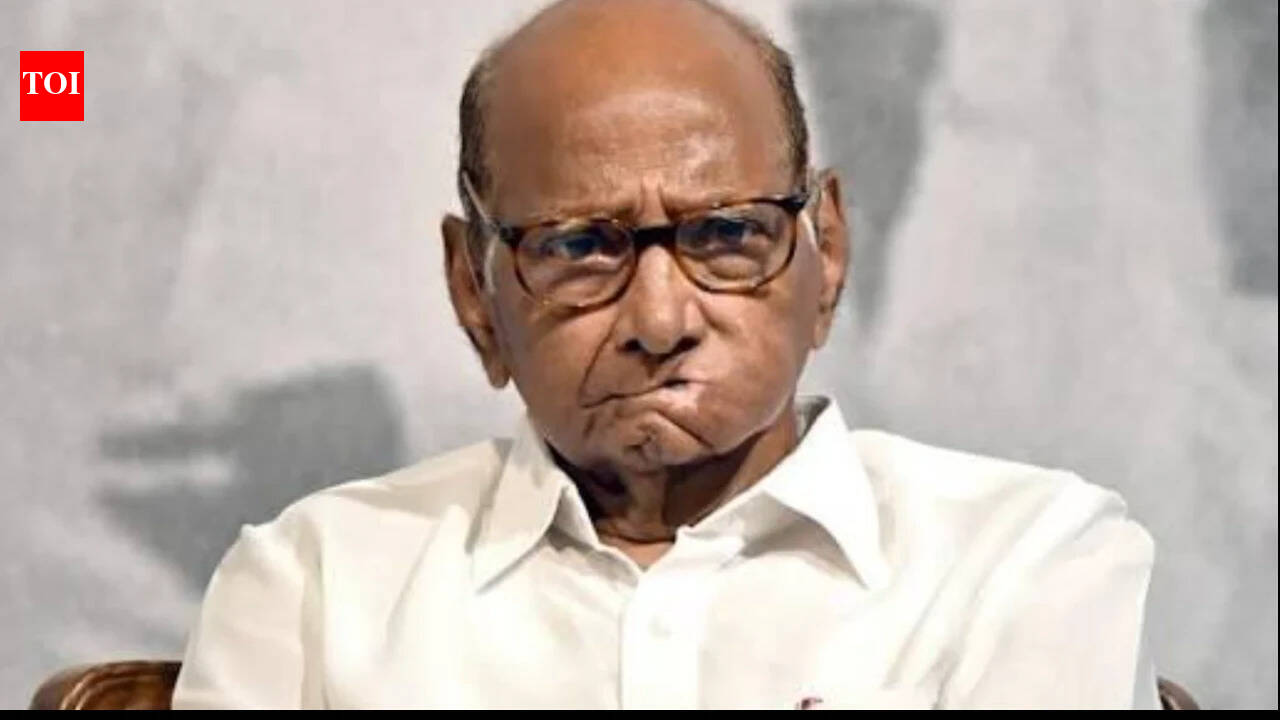
Veteran Indian politician Sharad Pawar has been readmitted to the hospital shortly after his initial discharge. His health status remains a point of concern for his party and political observers.
Health Concerns Surrounding Sharad Pawar
Sharad Pawar, a towering figure in Indian politics and the patriarch of the Nationalist Congress Party (NCP), has faced renewed health challenges. His recent readmission to the hospital, occurring mere hours after being discharged, underscores the fragility of his current physical condition. This development has naturally sparked significant concern among his supporters, political peers, and the public, given his central role in the complex political landscape of Maharashtra and national politics.
The Impact on Political Stability
Pawar’s health is not merely a personal matter but a significant variable in the political calculus of India. As a seasoned strategist known for his ability to navigate coalition politics, his physical absence from the arena creates a void. The NCP, which he founded and has led for decades, relies heavily on his guidance to manage internal factions and maintain alliances. His frequent medical interventions raise questions about the long-term leadership transition within the party and the continuity of his political legacy.
Historical Context and Resilience
Throughout his long and storied career, Sharad Pawar has been defined by his resilience, both politically and physically. Having served as the Chief Minister of Maharashtra multiple times and as a former Union Minister, he has weathered numerous political storms. However, the recurring nature of his hospitalizations serves as a reminder of the toll that decades of intense public service take on a leader. His ability to bounce back from previous health scares has been legendary, yet each instance brings renewed scrutiny to his endurance.
Broader Implications for Coalitions
In the context of Indian democracy, where coalition building is often the difference between governance and instability, Pawar’s role as an 'elder statesman' is pivotal. His influence often extends beyond his own party, acting as a bridge between disparate political ideologies. A prolonged period of recovery or reduced activity could potentially alter the power dynamics within the opposition, forcing other leaders to step into roles that have historically been dominated by his mediation.
Future Trends and Outlook
Looking ahead, the political future of the NCP and the broader opposition bloc in Maharashtra will likely be shaped by how effectively the party manages this period of uncertainty. While Pawar remains the guiding light, the necessity for a clear succession plan becomes increasingly apparent. Observers will be closely monitoring his recovery, as his presence—or lack thereof—in the upcoming political cycles will undoubtedly influence electoral strategies and coalition stability.