Emirates jet gets stuck on taxiway at Bangkok airport, emergency repairs ordered
Source Entity
Latest News: Todays Latest News Headlines from India & World | Hindustan Times
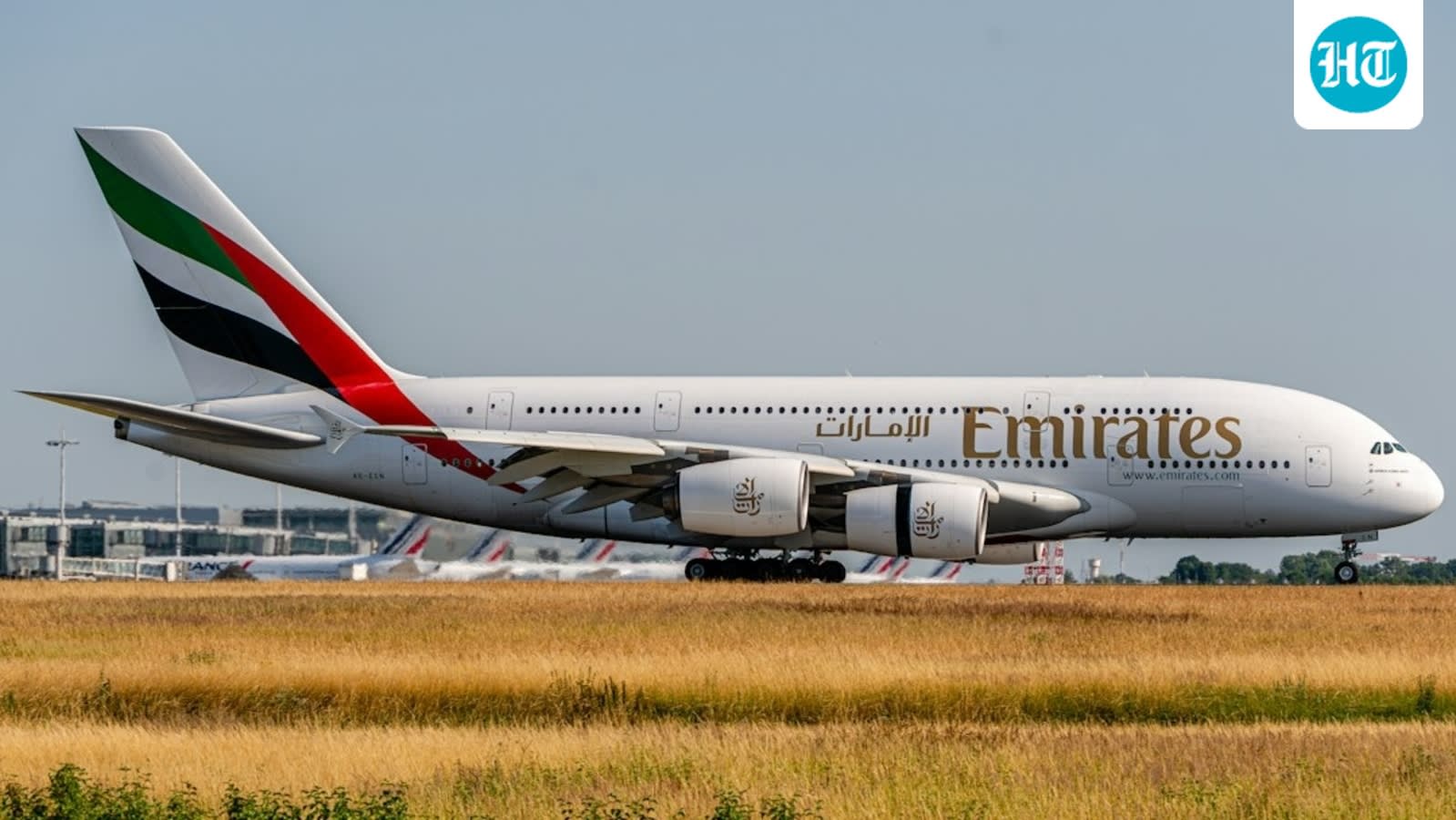
An Emirates Airbus A380 became immobilized on a taxiway at Bangkok’s Suvarnabhumi Airport on November 2, causing a 70-minute delay. Airport authorities deployed a pushback tractor to successfully move the aircraft, allowing it to depart for Dubai shortly after.
Operational Disruption at Suvarnabhumi Airport
On the night of November 2, operations at Bangkok’s Suvarnabhumi Airport faced a significant, albeit temporary, disruption when an Emirates Airbus A380 became immobilized on a taxiway. The incident occurred at approximately 9:11 pm, just as the massive wide-body aircraft was preparing for its scheduled departure to Dubai. Such events, while rare for an airline of Emirates' stature, highlight the complex logistical challenges involved in managing the world’s largest passenger aircraft within the confines of busy international hubs.
The Response and Recovery Process
Upon identifying that the aircraft was stranded, airport ground crews initiated emergency protocols to clear the taxiway. According to official reports from Suvarnabhumi Airport, a specialized pushback tractor was dispatched to assist the immobilized jet. The recovery operation was meticulous, requiring over 70 minutes of coordinated effort to safely reposition the A380. This delay underscores the necessity for robust ground handling infrastructure capable of maneuvering heavy aircraft during unexpected technical or operational failures.
Implications for Global Aviation Logistics
The Airbus A380, known for its sheer size and weight, requires specific taxiway clearance and infrastructure support. When an aircraft of this magnitude becomes stuck, it creates a cascading effect on airport traffic, potentially forcing other departures and arrivals to hold or reroute. The successful removal of the Emirates jet by 10:18 pm allowed the flight to proceed to Dubai, minimizing the long-term impact on the carrier’s network, which is currently focused on restoring pre-conflict flight capacity and leveraging high-demand markets like India.
Safety and Infrastructure Reliability
The incident at Suvarnabhumi serves as a reminder of the critical nature of ground support equipment. The prompt dispatch of a pushback tractor is standard procedure, but the duration of the delay—over an hour—indicates the complexity of moving an aircraft when it is not under its own power or when it has deviated from designated taxi lines. For airports, this highlights the ongoing need for state-of-the-art towing vehicles and well-rehearsed emergency response teams to maintain safety standards.
Future Trends and Resilience
As major airlines like Emirates continue to scale their operations back toward pre-pandemic levels, the intensity of airport traffic increases, raising the probability of minor ground incidents. The aviation industry’s ability to recover from such localized disruptions is a testament to the safety culture embedded in modern airport management. Moving forward, continued investment in ground-handling efficiency and real-time monitoring will remain paramount for preventing similar bottlenecks in major international transit points.
Verification Required?